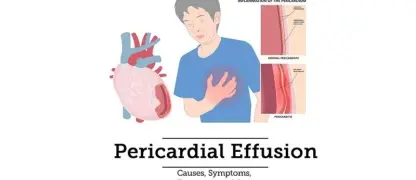

Cardiac sarcoidosis is a rare condition where inflammation damages the heart, causing arrhythmias and heart failure. Explore causes, symptoms, and treatments.
What are the main causes of cardiac sarcoidosis?
- Abnormal immune response triggers inflammation, leading to clusters of immune cells called granulomas forming inside heart tissue and disrupting normal function.
- Genetic predisposition increases susceptibility, with certain inherited traits making individuals more likely to develop cardiac sarcoidosis compared to the general population.
- Environmental and infectious exposures may act as triggers, stimulating immune dysfunction and causing the heart to develop inflammatory granulomas characteristic of this disease.

Cardiac sarcoidosis symptoms warning signs of heart inflammation
>>> See more: Pericardial Effusion Risk Factors you should know about
Key symptoms of cardiac sarcoidosis to watch for
- Irregular heartbeats or arrhythmias are common, causing dizziness, fainting, or palpitations that indicate electrical conduction abnormalities in the heart.
- Shortness of breath develops as granulomas damage heart muscle, reducing its ability to pump effectively and leading to symptoms of heart failure.
- Chest pain or discomfort may occur due to inflammation in heart tissues, sometimes mimicking coronary artery disease and complicating diagnosis.
How can you prevent cardiac sarcoidosis effectively?
- Regular health monitoring with cardiac imaging and ECG helps detect early changes and manage inflammation before severe damage occurs.
- Maintaining a healthy immune system through balanced diet, exercise, and stress management reduces risks of immune overreaction and inflammation.
- Following up with specialists for ongoing care ensures timely treatment, helping prevent progression to heart failure or life-threatening arrhythmias.

Cardiac sarcoidosis diagnosis accurate detection of rare condition
>>> See more: Causes and risk factors of Cardiac Tamponade explained
Images visual examples of cardiac sarcoidosis
Cardiac sarcoidosis images often show granulomas affecting heart muscle, visible in MRI or PET scans. These visuals highlight inflammation and scarring, helping with accurate diagnosis.


>>> See more: Lyme carditis complications prevention and recovery
Understanding cardiac sarcoidosis is vital for early detection and treatment. Awareness of symptoms and risks helps prevent complications and improve health.