
Crimean-Congo Hemorrhagic Fever (CCHF) is a deadly viral infection that spreads through tick bites and contact with infected blood, requiring awareness to prevent serious outbreaks.
What are the main causes of Crimean-Congo Hemorrhagic Fever (CCHF)?
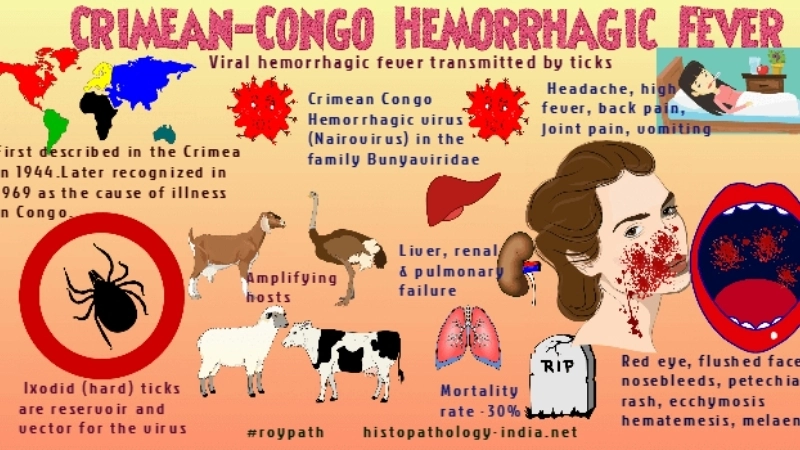
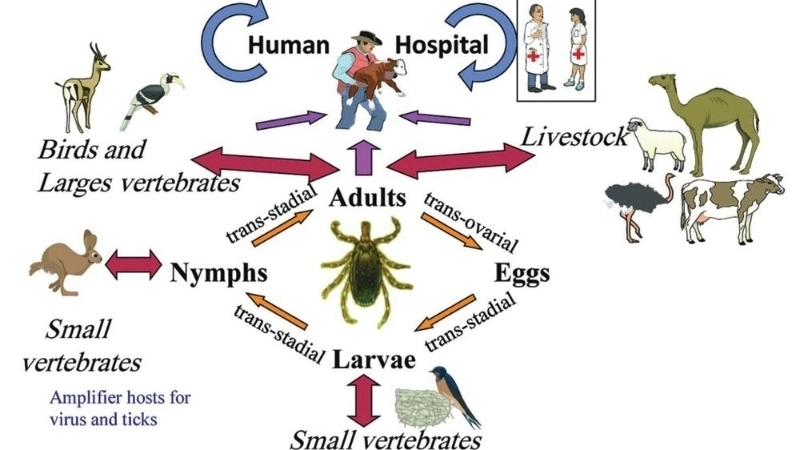
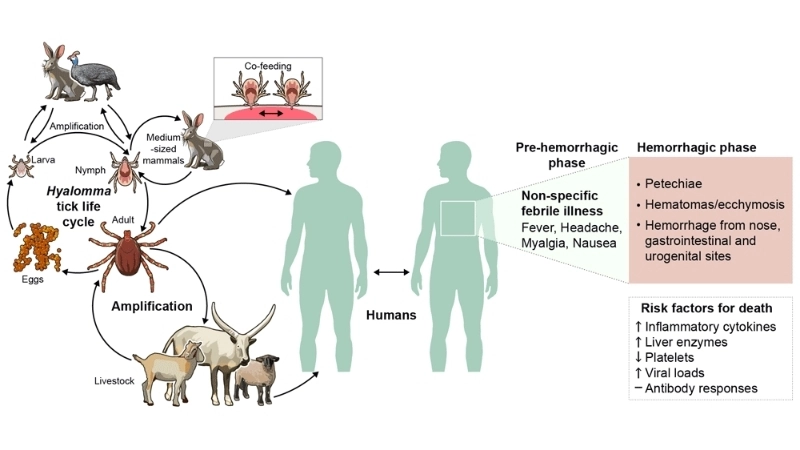
- Crimean-Congo Hemorrhagic Fever (CCHF) is primarily transmitted through the bite of infected ticks, especially from livestock such as cattle and goats.
- Contact with blood or tissues of infected animals can lead to CCHF infection, posing a risk to farmers, butchers, and veterinarians.
- Human-to-human transmission can occur through direct contact with blood or bodily fluids of an infected patient, particularly in healthcare settings.
Key symptoms of Crimean-Congo Hemorrhagic Fever (CCHF) to watch for
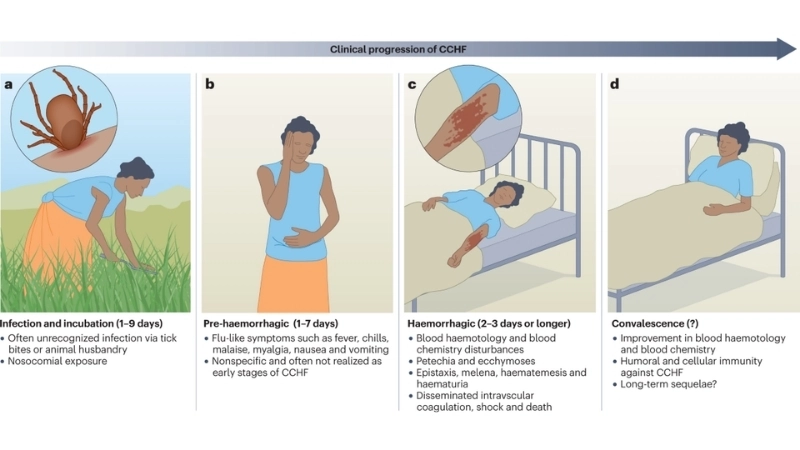
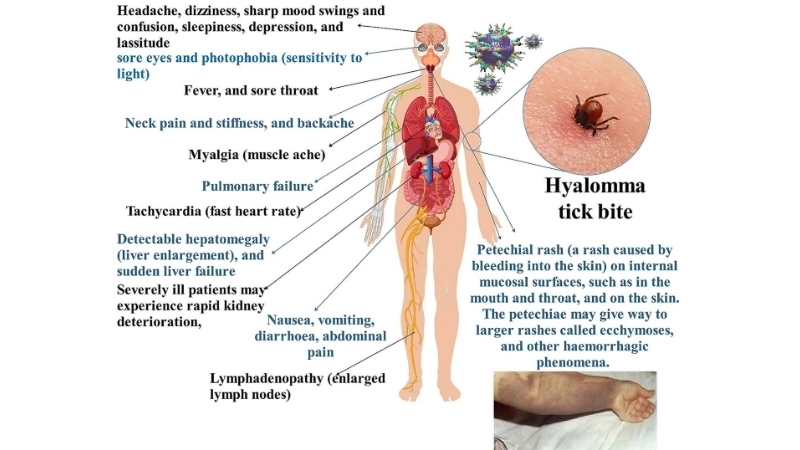
- Early symptoms include sudden fever, severe headache, muscle pain, and dizziness, which often appear within 1–3 days of exposure.
- Gastrointestinal issues like nausea, vomiting, diarrhea, and abdominal pain commonly develop as the disease progresses.
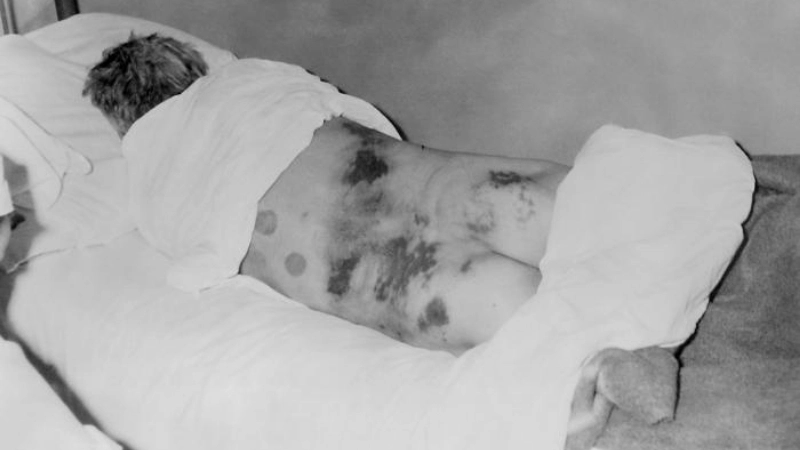
- Severe cases may show bleeding from the nose, gums, or internal organs, along with jaundice, swelling, and rapid deterioration of health.
>>>Learn more: Chikungunya symptoms causes and treatment explained
How can you prevent Crimean-Congo Hemorrhagic Fever (CCHF) effectively?
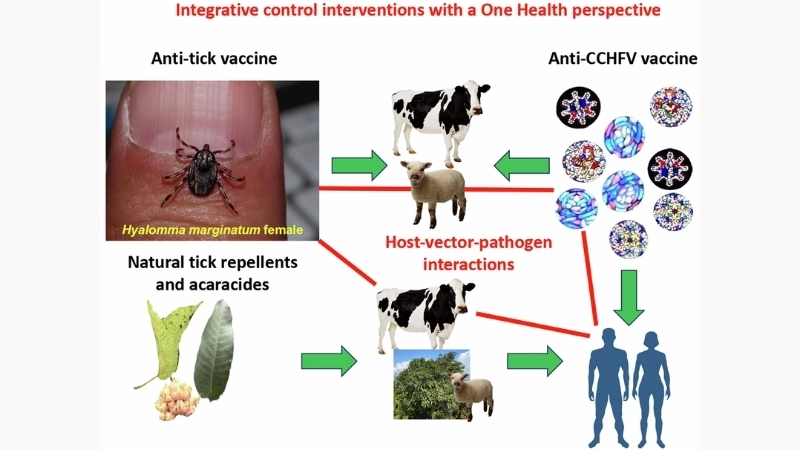
- Avoid areas with high tick populations and use insect repellents, protective clothing, and regular tick checks when working outdoors or with animals.
- Practice strict hygiene and protective measures when handling livestock, including gloves, masks, and proper disposal of animal waste.
- Healthcare workers should follow infection control protocols, including isolation of patients and careful handling of blood or bodily fluids.
>>>Learn more: Zika virus disease symptoms causes and prevention tips
Image description of Crimean-Congo Hemorrhagic Fever (CCHF)
Crimean-Congo Hemorrhagic Fever (CCHF) is a severe viral disease transmitted by ticks or contact with infected blood. It causes fever, bleeding, and organ failure in some cases.


>>>Learn more: Understanding Yellow Fever symptoms and prevention tips
Understanding Crimean-Congo Hemorrhagic Fever (CCHF) is crucial for prevention, early detection, and proper care to reduce the risk of severe illness and protect communities effectively.