
Think that salad is completely safe? A parasitic infection known as fascioliasis, or liver fluke disease, can be contracted from common aquatic plants. Understanding this snail-borne disease is vital for your health, especially if you experience unexplained abdominal pain or fever.
What are the main causes of Fascioliasis?
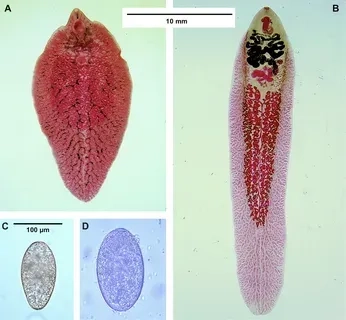
- This infection is caused by parasitic flatworms, primarily Fasciola hepatica and Fasciola gigantica, commonly known as liver flukes.
- The primary transmission of fascioliasis to humans occurs through the ingestion of raw aquatic vegetables, like watercress, contaminated with fluke larvae.
- The parasite's lifecycle involves freshwater snails, which act as intermediate hosts before the larvae encyst on plants, making it a snail-borne disease.
Key symptoms of Fascioliasis to watch for
- Early symptoms can include fever, abdominal pain, nausea, and a significantly high count of eosinophils (eosinophilia) in the blood.
- The chronic phase involves adult flukes in the bile ducts, potentially causing intermittent pain, jaundice, and inflammation of the pancreas or gallbladder.
- Long-term infection can lead to severe complications such as biliary obstruction, liver inflammation, and fibrosis if left untreated by medical professionals.
How can you prevent Fascioliasis effectively?
- Avoid eating raw or undercooked freshwater plants, especially wild watercress, from areas where the parasite is common, including parts of Vietnam.
- Refrain from drinking potentially contaminated, untreated water from canals, streams, or ponds in endemic agricultural regions where livestock graze.
- Public health education about the risks of consuming wild aquatic vegetation is crucial for preventing outbreaks in at-risk communities and traveler groups.
>>> Details at: Epidermolysis bullosa acquisita - An autoimmune skin disease
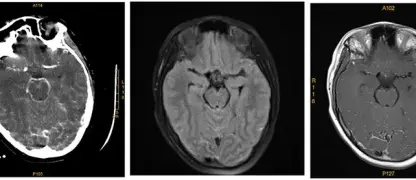
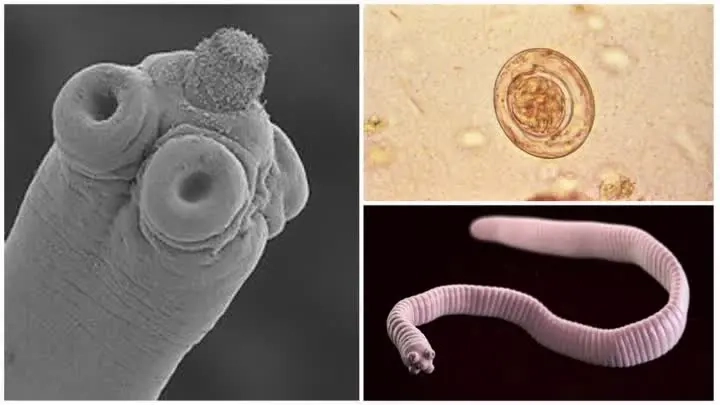
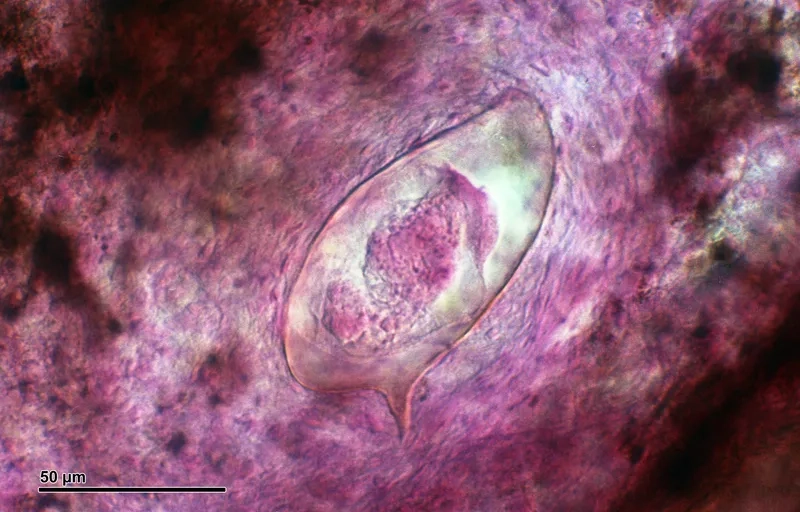
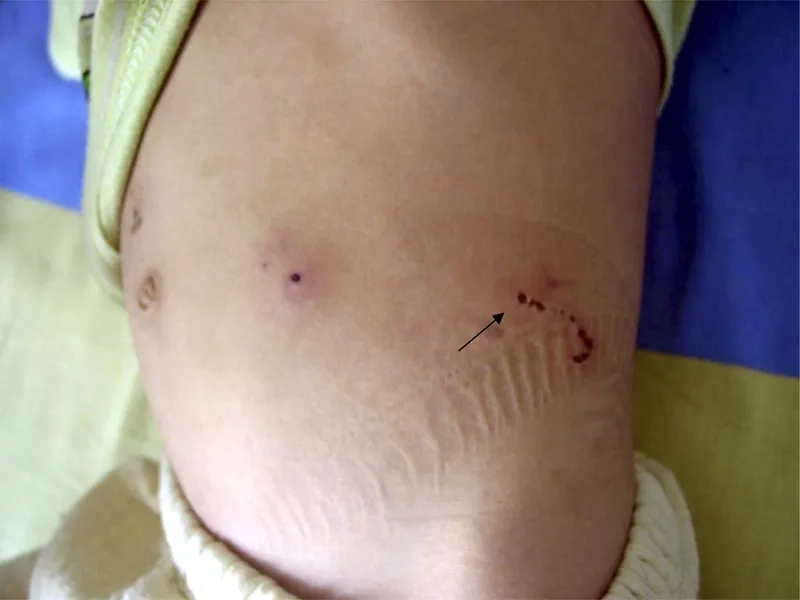
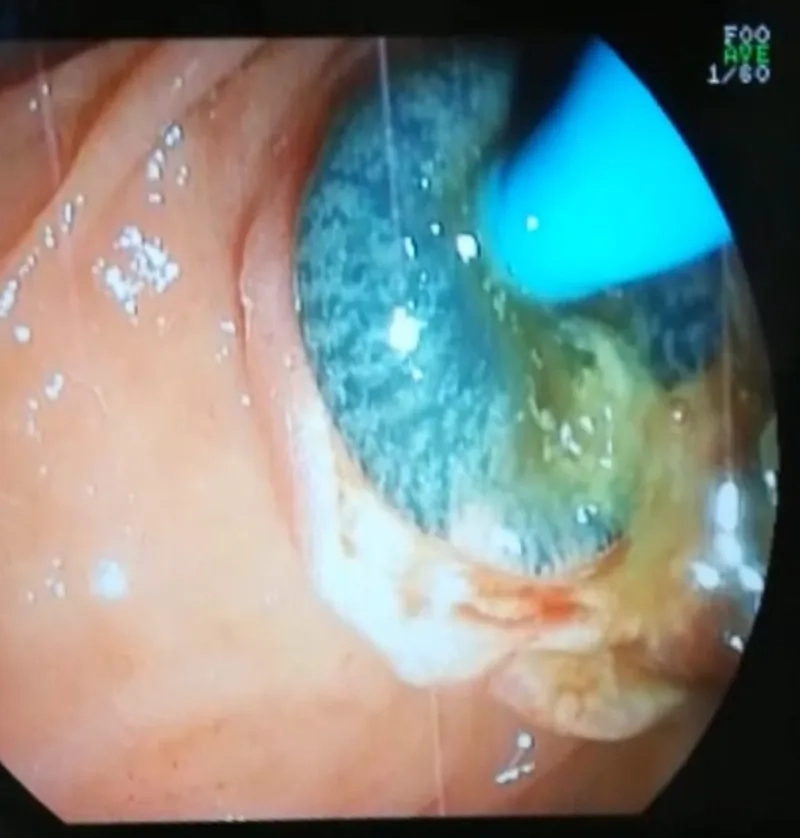
Image of the disease Fascioliasis

>>> Understand more about: Erysipelas - Recognizing this distinctive skin infection
Fortunately, fascioliasis is treatable, often with the medication triclabendazole. If you suspect exposure or have symptoms, a prompt diagnosis of fascioliasis is crucial. Consult your doctor to discuss your symptoms and get the necessary tests and treatment.
>>> Read more here: Erythrasma - Is it fungal or bacterial? symptoms & treatment