

Feeling unwell but can't pinpoint the cause? Overlapping symptoms can be confusing. Don't miss this essential guide to understanding a rare autoimmune disease that mimics other conditions, and learn how to manage it effectively for a better quality of life.
What are the main causes of Mixed Connective Tissue Disease?
- The exact cause is unknown, but it is classified as an autoimmune disease, where the body's immune system mistakenly attacks its own healthy tissues.
- A combination of genetic predisposition and environmental factors, such as exposure to certain viruses or chemicals, is thought to trigger the condition.
- The presence of a specific antibody in the blood, known as the anti-RNP antibody, is a key diagnostic marker and a hallmark of this disease.
Key symptoms of Mixed Connective Tissue Disease to watch for
- One of the earliest and most common MCTD symptoms is Raynaud's phenomenon, where fingers and toes turn white, blue, and numb in the cold.
- Patients often experience severe fatigue, joint pain and swelling similar to arthritis, and muscle weakness that can significantly impact daily activities.
- Other characteristic signs include swollen hands or puffy fingers, along with a skin rash that may appear on the knuckles, face, or chest.
How can you manage Mixed Connective Tissue Disease effectively?
- As prevention is not possible, management focuses on controlling symptoms and preventing organ damage through consistent medical care from a specialist.
- An effective MCTD treatment plan often involves medications like corticosteroids and immunosuppressants to reduce inflammation and calm the overactive immune system.
- Regular monitoring by a rheumatologist is crucial for managing the disease's progression and improving the long-term MCTD life expectancy and overall health outlook.
>>> Let's learn: Herniated disc (chronic pain) - Non-surgical pain management
The top Mixed Connective Tissue Disease images
-
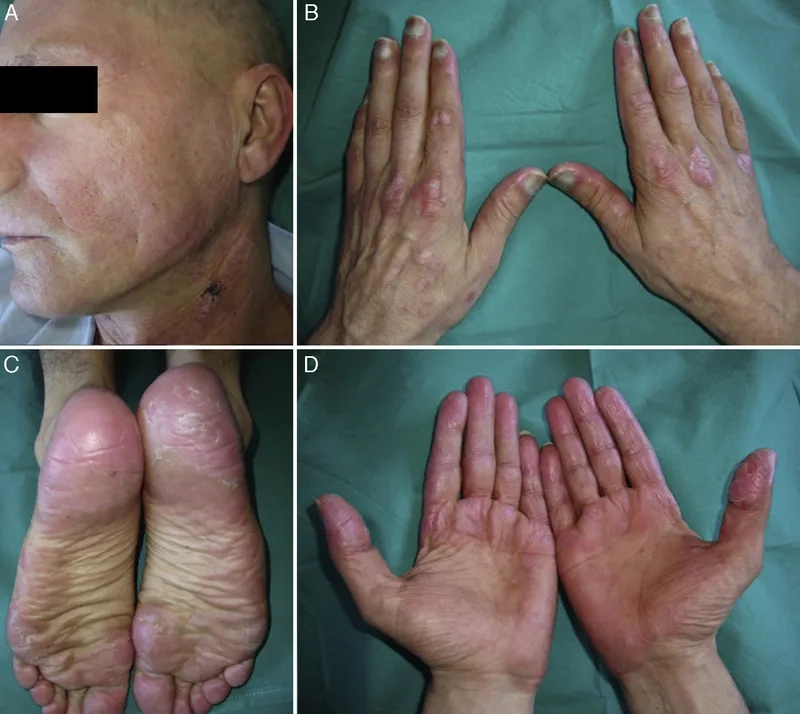
Blood test results indicating a positive anti-RNP antibody 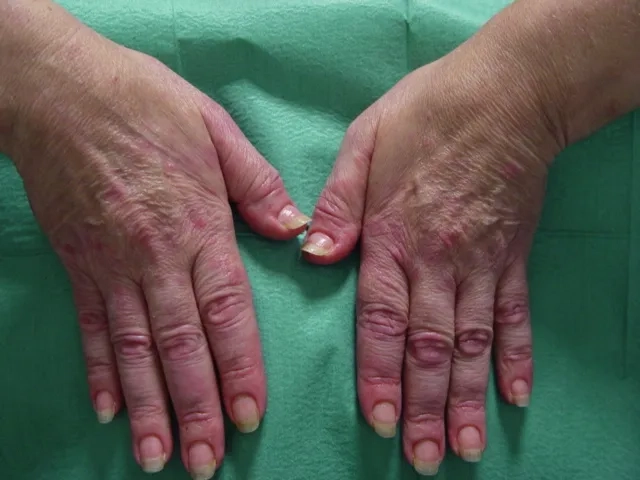
A guide to managing MCTD symptoms at home 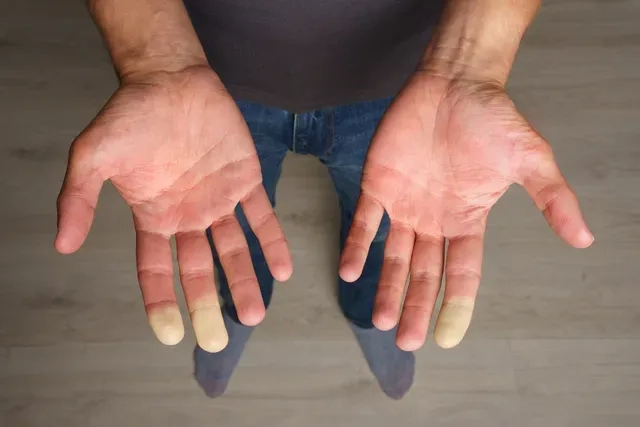
A patient consultation for an autoimmune disease
>>> See more photos: Carpal tunnel syndrome (chronic) - When wrist pain won't go away
Understanding what is mixed connective tissue disease is the first step toward managing it. If you have overlapping symptoms, consult a rheumatologist for an accurate diagnosis and a personalized treatment plan to protect your health.
>>> Understand more: Plantar fasciitis (chronic) - Effective long-term solutions