
Obsessive-Compulsive Disorder is far more than just being neat or organized; it's a complex and challenging condition. Understanding what OCD truly is, from its symptoms to its treatments, is the first step toward compassion and recovery. Don't let misconceptions guide you; get the facts here.
What are the main causes of Obsessive-Compulsive Disorder?
- Biological factors, including genetics and differences in brain structure and neurotransmitter function, are thought to play a significant role in a person's risk for OCD.
- Temperamental traits, such as higher negative emotionality and a tendency towards internalizing behaviors during childhood, have been identified as potential risk factors for developing the disorder.
- Environmental influences, like experiencing stressful or traumatic life events, may trigger the onset of OCD in individuals who are already genetically predisposed to the condition.
Key symptoms of Obsessive-Compulsive Disorder to watch for
- The core of OCD symptoms involves obsessions, which are persistent and unwanted intrusive thoughts, images, or urges that cause significant distress and anxiety.
- Compulsions are repetitive behaviors or mental acts that an individual feels driven to perform in response to an obsession to reduce anxiety or prevent a feared outcome.
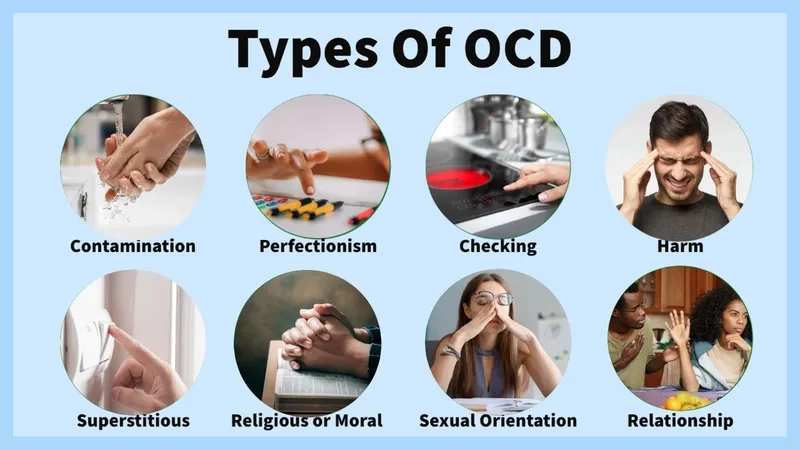
- There are many types of OCD, including contamination OCD with cleaning compulsions, checking OCD involving repetitive checking, and Pure O OCD, which involves primarily mental rituals.
How can you manage Obsessive-Compulsive Disorder effectively?
- The most effective OCD treatment is a type of cognitive-behavioral therapy called Exposure and Response Prevention (ERP therapy), which gradually exposes individuals to their fears.
- Medications, particularly a class of antidepressants called selective serotonin reuptake inhibitors (SSRIs), can be very effective in helping to reduce OCD symptoms.
- Developing healthy coping mechanisms, such as stress management techniques and mindfulness practices, can complement formal treatment and help manage symptoms in daily life.
>>> Learn more at: Essential tremor - How it differs from Parkinson's disease
Visualizing concepts related to OCD







>>> Read to understand more: Narcolepsy - Managing daytime sleepiness and cataplexy
Living with Obsessive-Compulsive Disorder can be incredibly difficult, but recovery is possible with the right support. If you recognize these symptoms in yourself or a loved one, seeking a diagnosis from a mental health professional is a crucial step. Effective treatments are available.
>>> Understand more: Restless legs syndrome - Finding relief for that creepy-crawly feeling