

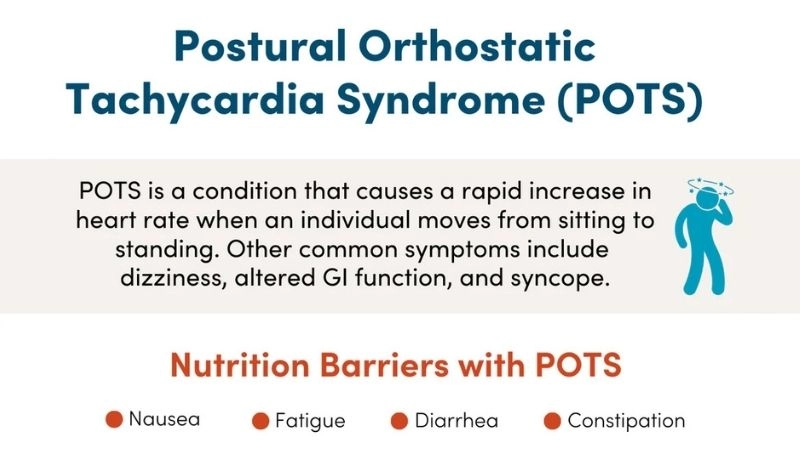
Postural Orthostatic Tachycardia Syndrome (POTS) is a condition that disrupts circulation, leading to dizziness, palpitations, and chronic fatigue affecting daily life.
What are the main causes of postural orthostatic tachycardia syndrome pots?
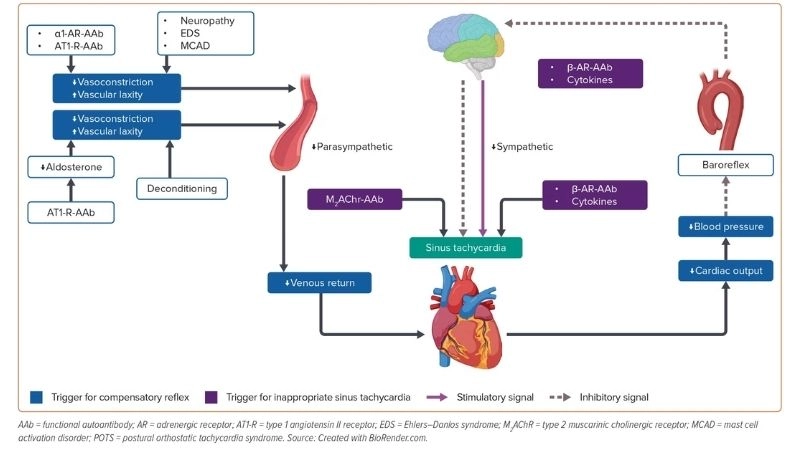
- Autonomic nervous system dysfunction disrupts blood flow regulation, leading to abnormal heart rate increases upon standing.
- Low blood volume or impaired blood vessel constriction contributes significantly to symptoms experienced by individuals with POTS.
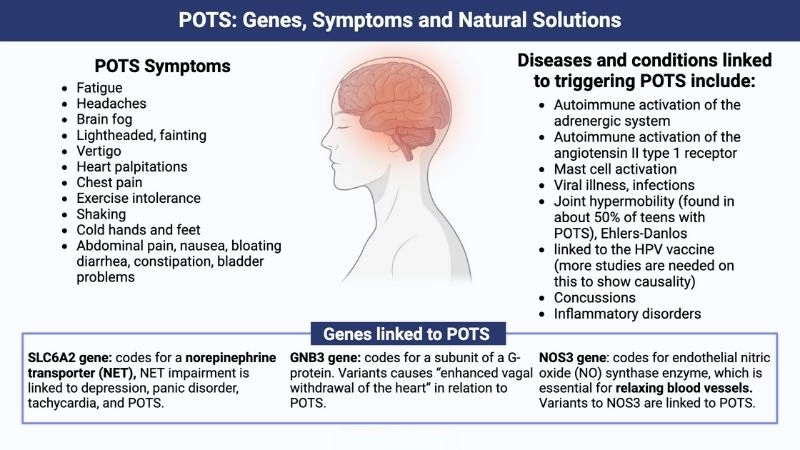
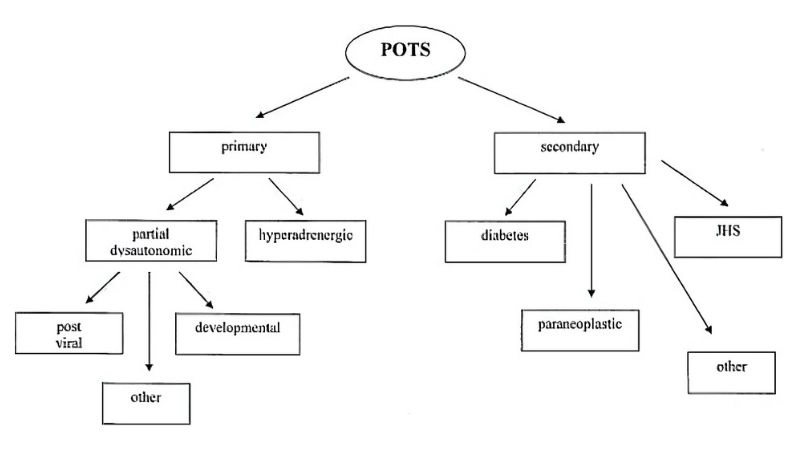
- Genetic predisposition, autoimmune disorders, or viral infections may trigger POTS development in susceptible individuals.
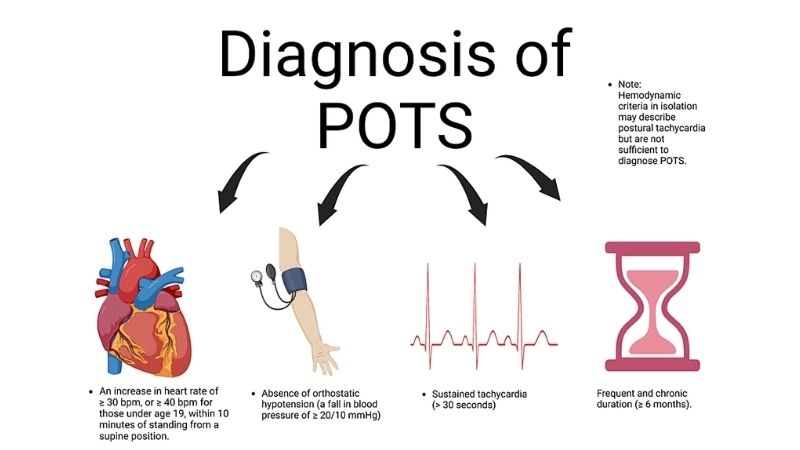
Postural Orthostatic Tachycardia Syndrome Symptoms affect daily life
>>> See more: Understanding atrioventricular reentrant tachycardia (AVRT)
Key symptoms of postural orthostatic tachycardia syndrome pots to watch for
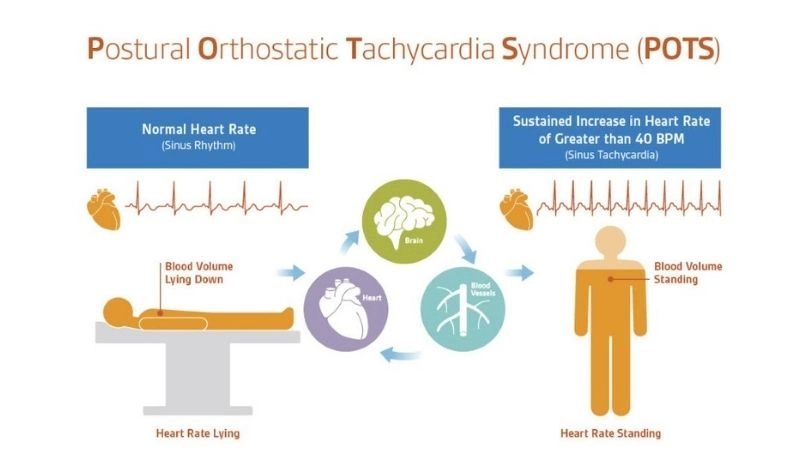
- Rapid heart rate increase of 30 beats or more within 10 minutes of standing is a hallmark symptom of POTS.
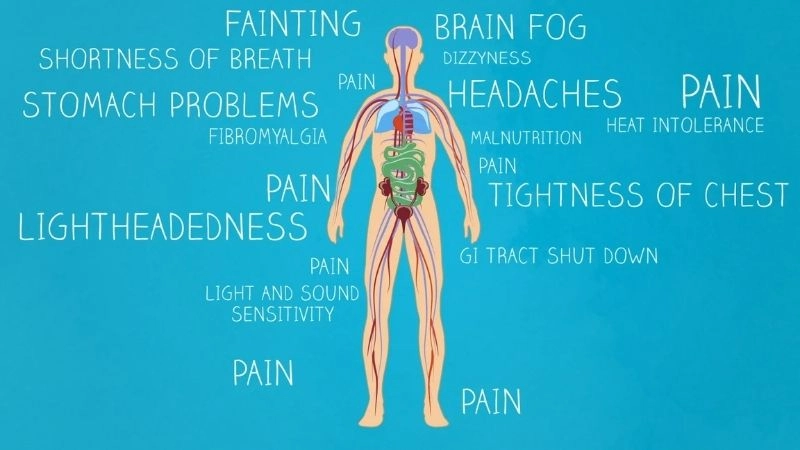
- Lightheadedness, dizziness, or fainting episodes frequently occur due to poor blood circulation when upright.
- Fatigue, brain fog, and exercise intolerance are common non-cardiac symptoms significantly affecting daily life.
How can you prevent postural orthostatic tachycardia syndrome pots effectively?
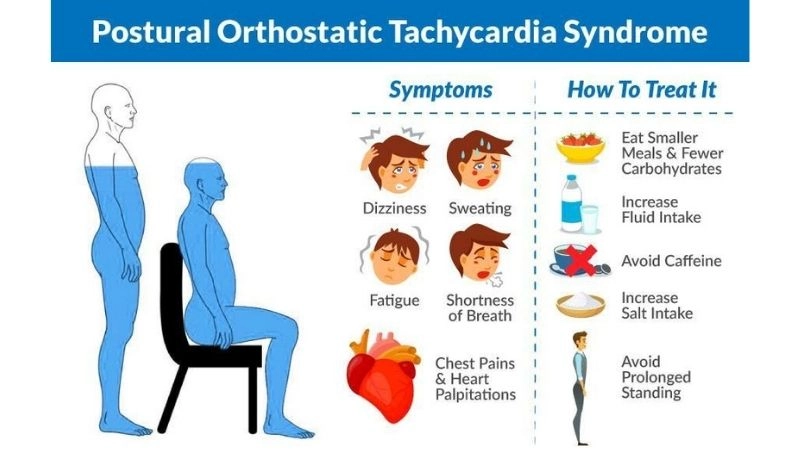
- Staying hydrated with increased salt intake helps stabilize blood pressure and reduce symptom severity.
- Engaging in regular physical conditioning, including recumbent exercises, improves circulation and autonomic function.
- Wearing compression garments for the legs and abdomen enhances venous return and minimizes pooling of blood.
POTS Treatment helps manage irregular heart response
>>> See more: Atrioventricular Nodal Reentrant Tachycardia (AVNRT)
Images visual examples of postural orthostatic tachycardia syndrome pots
Images of Postural Orthostatic Tachycardia Syndrome (POTS) often illustrate how the heart rate increases dramatically upon standing, highlighting diagnostic tests and daily challenges faced by patients.

>>> See more: Multifocal atrial tachycardia risks and management tips
Living with Postural Orthostatic Tachycardia Syndrome (POTS) is challenging, but awareness, proper care, and lifestyle changes can ease symptoms and improve health.


