

Pulmonary stenosis is a condition where narrowing of the pulmonary valve limits blood flow from the heart to the lungs. Explore causes, symptoms, and treatment.
What are the main causes of pulmonary stenosis?
- Congenital heart defect present at birth causes improper valve development, restricting blood flow from the right ventricle to the pulmonary artery.
- Rheumatic fever can damage the pulmonary valve, leading to scarring and narrowing that disrupts normal circulation and stresses the heart.
- Carcinoid syndrome may release hormones that thicken valve tissue, gradually narrowing the pulmonary valve opening and limiting blood movement.
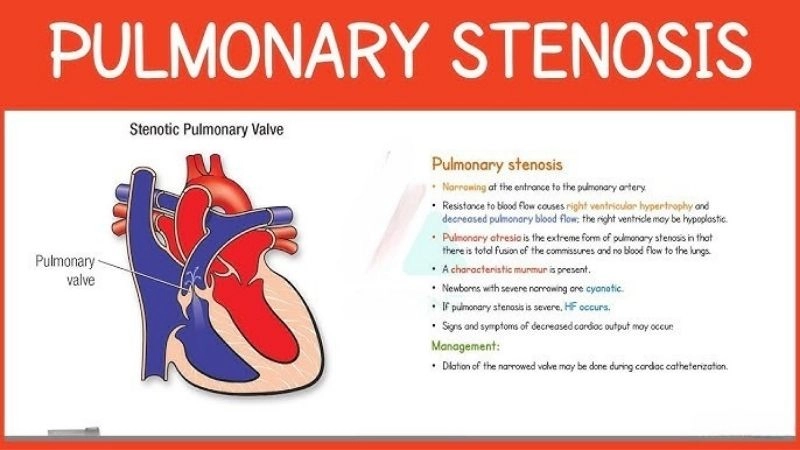
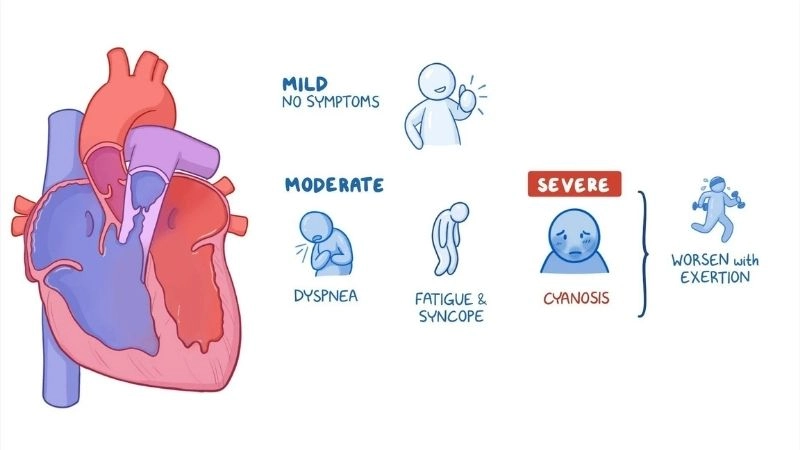
Pulmonary Stenosis Symptoms include fatigue and shortness of breath
>>> See more: Mitral valve prolapse causes symptoms and treatment
Key symptoms of pulmonary stenosis to watch for
- Shortness of breath, especially during physical activity, occurs as the heart struggles to pump blood efficiently through the narrowed pulmonary valve.
- Chest pain or tightness may appear due to increased strain on the right side of the heart while attempting to push blood into the lungs.
- Fatigue and dizziness result from reduced oxygen-rich blood flow, limiting energy supply and affecting daily physical performance.
How can you prevent pulmonary stenosis effectively?
- Early detection through regular heart checkups allows monitoring of valve function and timely treatment to avoid worsening complications.
- Maintaining a healthy lifestyle with balanced nutrition and consistent exercise helps strengthen cardiovascular function and prevent additional strain.
- Preventing rheumatic fever by promptly treating strep throat infections can protect the heart valves and lower the risk of pulmonary stenosis.
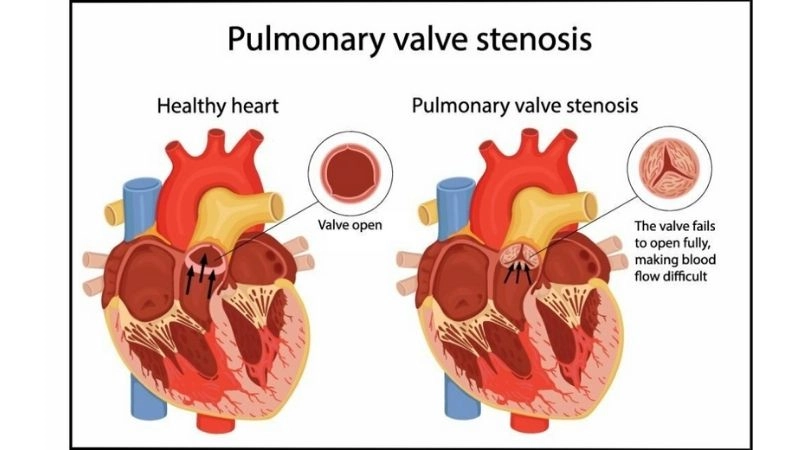
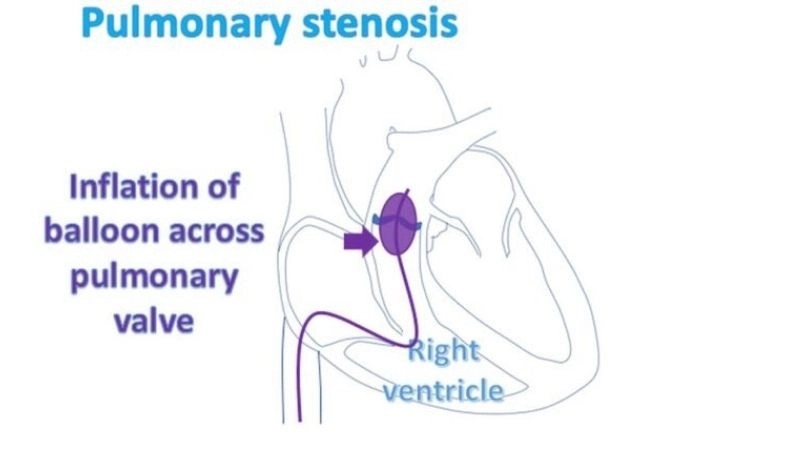
Pulmonary Stenosis Treatment ranges from monitoring to surgery
>>> See more: Tricuspid stenosis causes symptoms diagnosis and care
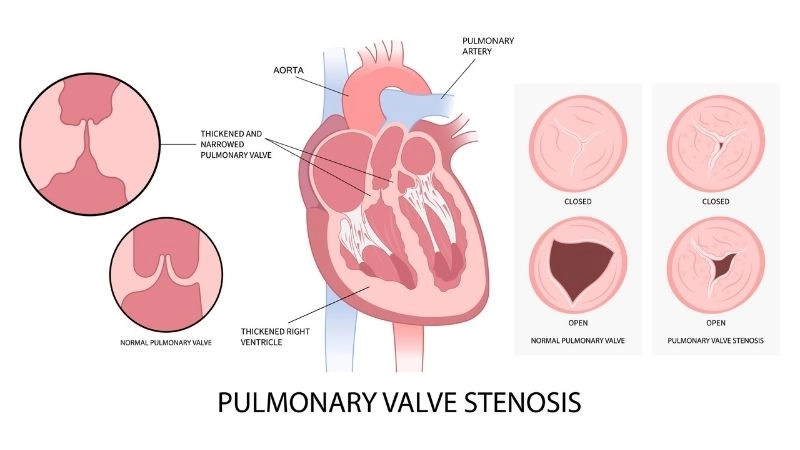
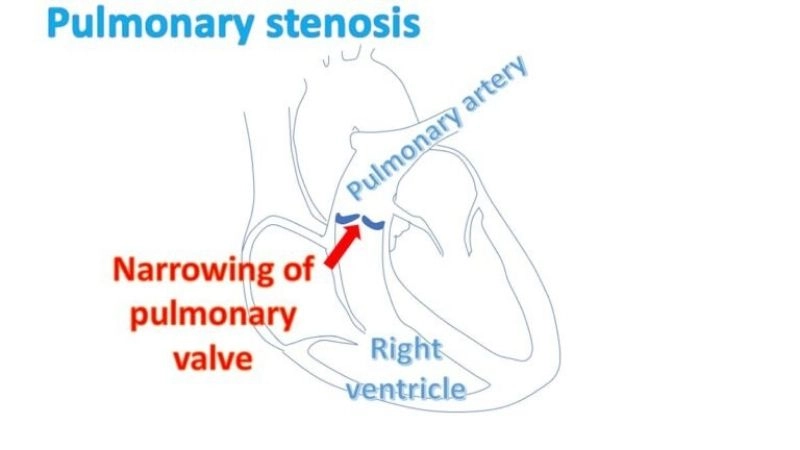
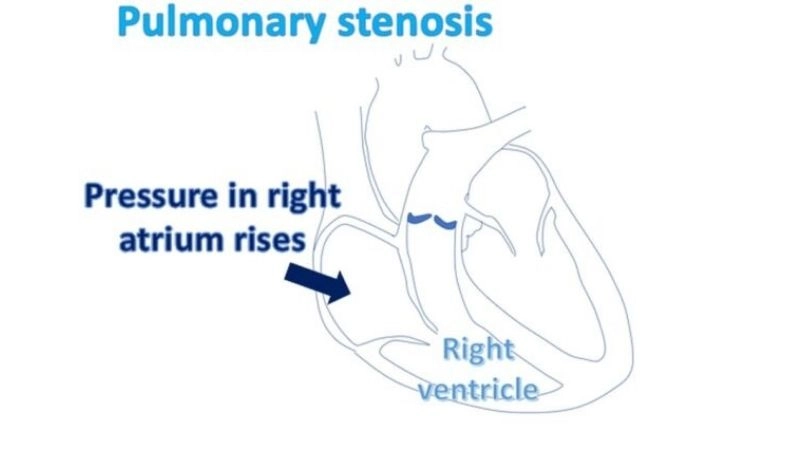
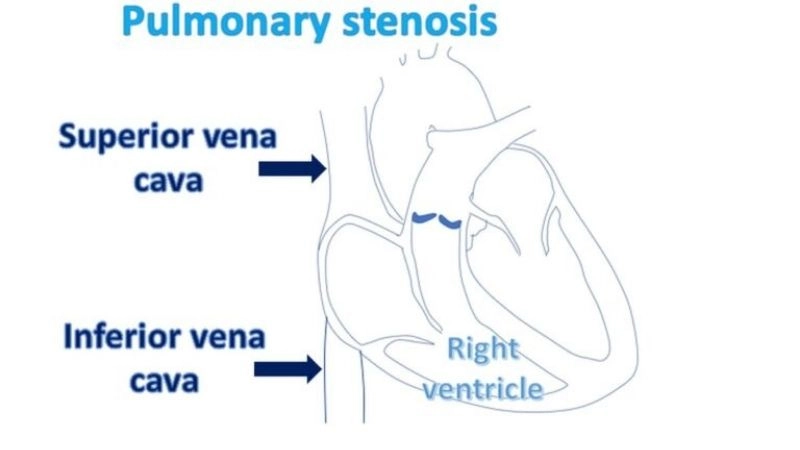
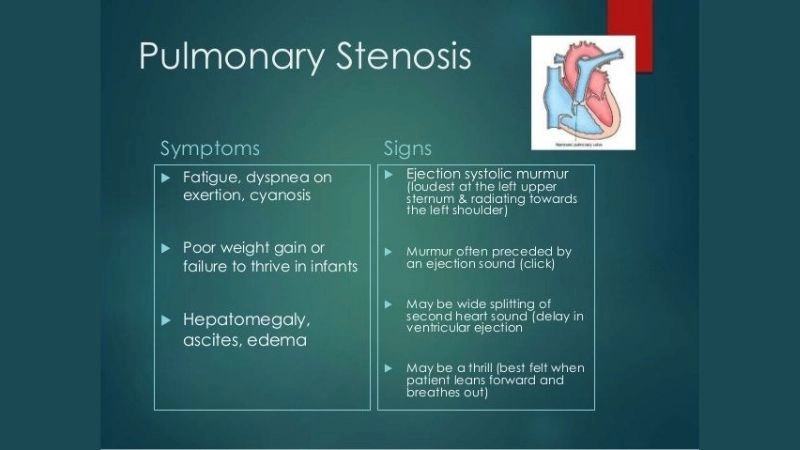
Images visual examples of pulmonary stenosis
Visual examples often show a constricted valve with limited opening, highlighting how blood movement is obstructed and causing the heart to work harder.
>>> See more: Tricuspid Regurgitation (Insufficiency) medical insights
Pulmonary stenosis can be managed with timely diagnosis, proper treatment, and healthy lifestyle changes. Early care is vital for long-term heart health.


