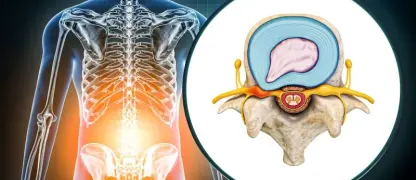

Are you ignoring persistent back, neck, or leg pain? That discomfort could be a key sign of spinal canal narrowing. Understanding spinal stenosis is the first step toward finding relief and preventing more serious mobility issues.
What are the main causes of Spinal Stenosis?
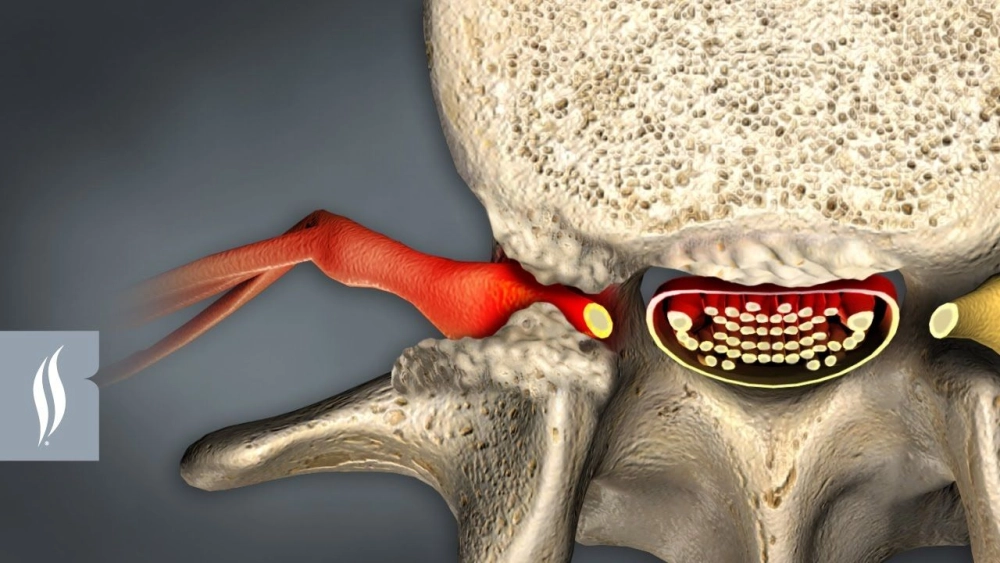
- The most common cause is wear-and-tear changes in the spine due to osteoarthritis, where bone spurs can grow into the spinal canal.
- Herniated discs can bulge into the spinal canal, while thickened ligaments can also reduce the amount of available space for the nerves.
- Other causes include spinal injuries, tumors, or congenital conditions where an individual is born with a naturally small spinal canal from birth.
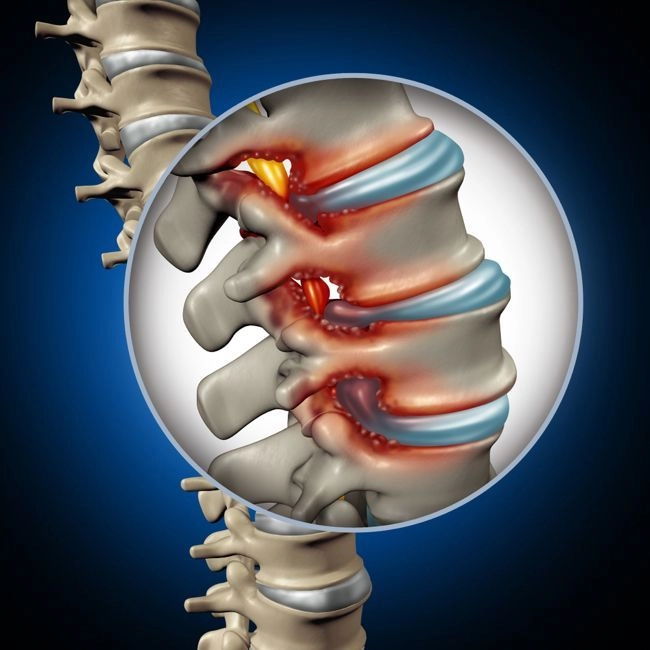
Key symptoms of Spinal Stenosis to watch for
- Lumbar spinal stenosis in the lower back often causes pain, numbness, or weakness in the legs and buttocks, which worsens with walking.
- Cervical spinal stenosis in the neck can cause similar symptoms in the neck, shoulders, and arms, and may also affect balance and coordination.
- A key indicator of lumbar stenosis is that pain is often relieved by leaning forward or sitting, as this position opens up the spinal canal.
How can you manage Spinal Stenosis effectively?
- A primary spinal stenosis treatment involves specific exercises for spinal stenosis that strengthen back muscles and improve flexibility, helping to manage symptoms.
- Non-surgical treatments include physical therapy, medications to reduce pain and inflammation, and epidural steroid injections to relieve pressure on the nerves.
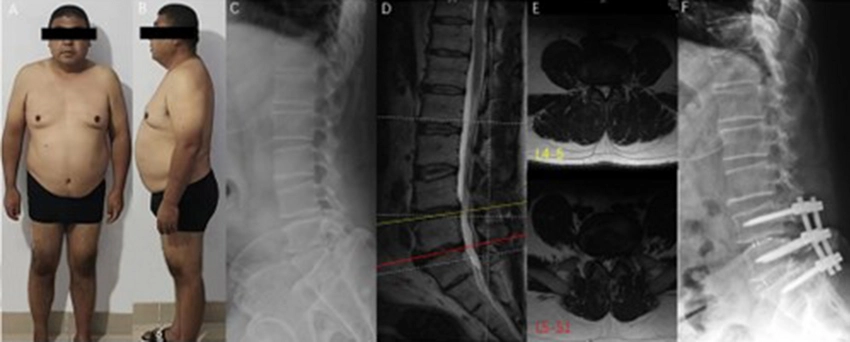
- If conservative treatments fail, spinal stenosis surgery may be recommended to create more space for the spinal cord and nerves, providing lasting relief.
>>> See more photos: Gout - What to eat and what to avoid during a flare-up
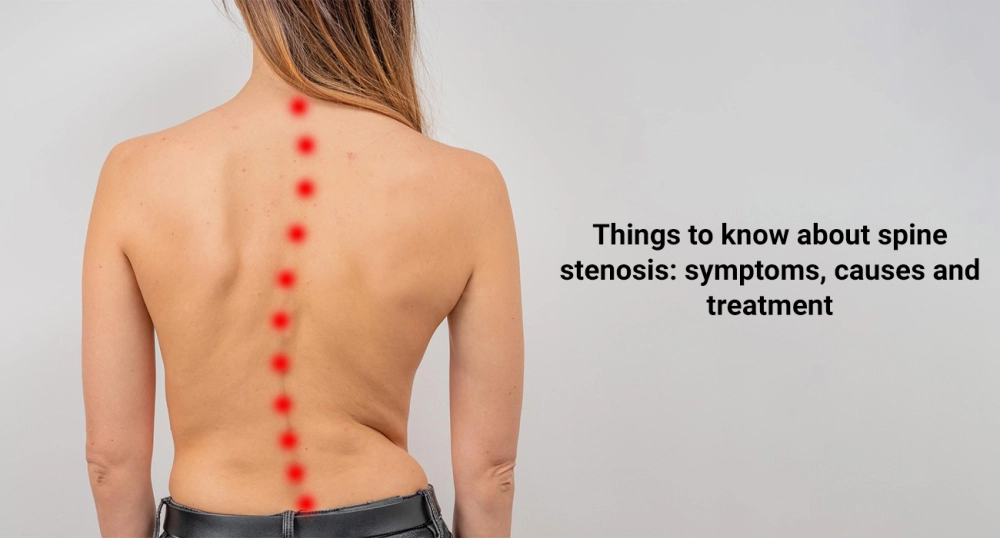
The top Spinal Stenosis images everyone is searching for


>>> Update more information: Polycystic ovary syndrome - A guide to managing PCOS symptoms
Managing spinal stenosis is key to maintaining an active lifestyle. If you are experiencing any of these symptoms, consult with a healthcare provider for an accurate diagnosis and to discuss a personalized treatment plan tailored to your specific needs.
>>> Add more knowledge: Cushing's syndrome - The effects of excess cortisol on the body