
Ever feel your heart skip a beat, flutter, or race? Don't ignore it. Understanding what an arrhythmia is can be the first step to protecting your heart health. Get the clear, expert information you need to recognize the signs and act wisely.
What are the main causes of Arrhythmia?
- Underlying heart conditions like coronary artery disease, a previous heart attack, high blood pressure, or valve disorders are among the most common causes of arrhythmia.
- Lifestyle triggers such as excessive caffeine or alcohol intake, smoking, high stress levels, and certain over-the-counter medications can provoke an irregular heartbeat.
- Problems with the heart's natural electrical signals can cause it to beat too fast, too slow, or erratically, leading to various types of arrhythmia.

Key symptoms of Arrhythmia to watch for
- A primary symptom is feeling heart palpitations, which can be described as a noticeable fluttering, racing, pounding, or a sensation of a skipped heartbeat.
- You might experience lightheadedness, dizziness, shortness of breath, or even fainting (syncope) if the arrhythmia affects blood flow to the brain and body.
- Some people may feel chest pain or discomfort during an episode, which should always be evaluated promptly by a medical professional to rule out emergencies.
How can you prevent Arrhythmia effectively?
- Manage your risk by adopting a heart-healthy diet, exercising regularly, maintaining a healthy weight, and limiting caffeine, alcohol, and tobacco to promote stability.
- Effectively control underlying conditions such as high blood pressure, high cholesterol, and diabetes as prescribed by your doctor to reduce strain on your heart.
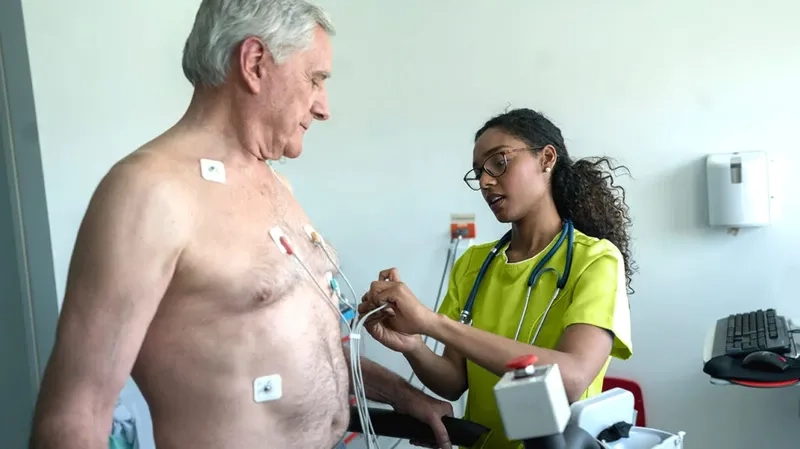
- Attend regular check-ups to monitor heart health; a doctor may use a Holter monitor to diagnose a suspected irregular heartbeat over a longer period.
>>> See more: Hypertension – signs, risks and management
Image of an Arrhythmia on an ECG Readout


>>> Learn now: Stroke – causes, warning signs and care
While some arrhythmias are benign, others require treatment to prevent serious complications. If you experience persistent arrhythmia symptoms, consult a cardiologist for an accurate diagnosis and to discuss a personalized arrhythmia treatment plan to safeguard your long-term health.
>>> Don't miss: Peripheral artery disease – symptoms and treatment