
Ignoring mild stomach issues could risk a serious parasitic infection. Understanding amebiasis is the first step to protecting yourself and your family from severe complications like an amebic liver abscess. Don't wait for symptoms to worsen; learn the facts now to stay safe.
What are the main causes of Amebiasis?
- Amebiasis is caused by the microscopic parasite Entamoeba histolytica, which is typically ingested through food or water contaminated with its cysts.
- The infection is most commonly spread through the fecal-oral route, often in areas with poor sanitation where human waste contaminates local water sources.
- Direct person-to-person contact can also transmit the parasite, particularly through poor hygiene after using the toilet, making amebiasis contagious in certain conditions.

Key symptoms of Amebiasis to watch for
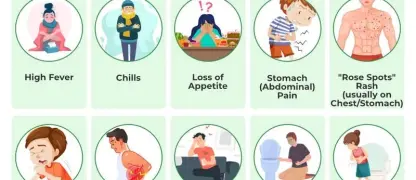
- Many individuals experience mild symptoms such as loose stools, stomach cramping, and abdominal pain, which can appear intermittently over several weeks or months.
- In more severe cases, it causes amebic dysentery, characterized by frequent, bloody stools, high fever, and intense stomach pain requiring immediate medical attention.
- If the parasite travels outside the intestines, it can lead to a serious complication known as an amebic liver abscess, causing fever and right-sided abdominal pain.
How can you prevent Amebiasis effectively?
- Always practice good hygiene by washing your hands thoroughly with soap and water after using the toilet and before preparing or eating food.
- Avoid drinking untreated tap water or using ice made from it; stick to boiled, filtered, or commercially bottled water, especially when traveling to endemic areas.
- Ensure all fruits and vegetables are washed with safe water and that all food is cooked to a proper temperature to kill any harmful parasites.
>>> See more: Onchocerciasis: A Guide to River Blindness
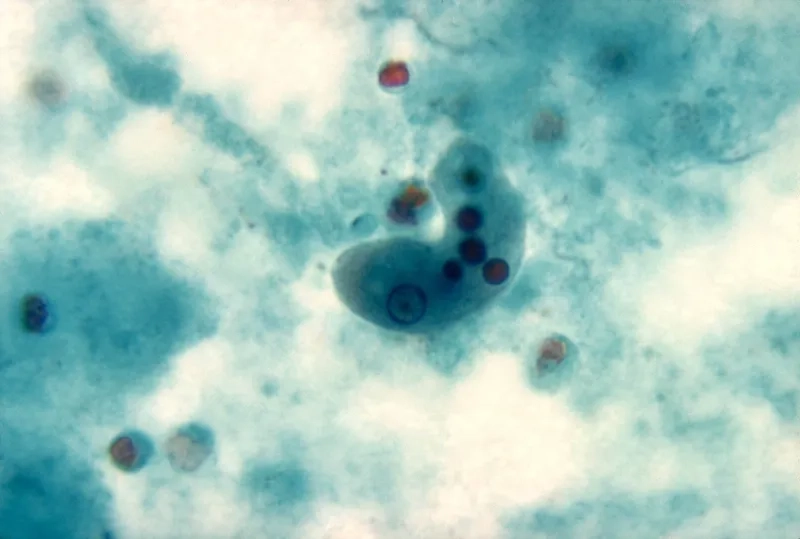
Microscopic images of Amebiasis




>>> Learn now: Rift Valley Fever: Transmission, Symptoms, and Prevention
Recognizing the causes and symptoms of amebiasis is vital for prompt action. If you suspect an infection, consult a healthcare professional immediately for accurate diagnosis and treatment, which often includes metronidazole. Your proactive health measures are your best defense.
>>> See more: West Nile Virus Infection: Symptoms and Prevention Tips