
Don't let a lack of knowledge create unnecessary risk. Understanding Onchocerciasis, a preventable cause of blindness, is vital for global health awareness, especially for travelers. This guide provides the clear, essential information you need to stay informed and safe.
What are the main causes of Onchocerciasis (River Blindness)?
- The disease is caused by the parasitic worm Onchocerca volvulus, which is transmitted to humans through the bites of a specific type of blackfly.
- These infected blackflies breed in fast-flowing rivers and streams, primarily in tropical areas, which is why the condition is commonly known as River Blindness.
- Inside the human body, adult worms produce larval worms (microfilariae) that migrate to the skin, eyes, and other organs, causing severe symptoms over time.

Key symptoms of Onchocerciasis (River Blindness) to watch for
- The most common symptoms include severe itching, rashes, and the development of painless nodules under the skin which contain the adult parasitic worms.
- Over time, the skin can become discoloured, thickened, and lose its elasticity, a condition sometimes referred to as "lizard skin" by medical professionals.
- When the larval worms die in the eyes, they cause inflammation and lesions that can lead to reduced vision and eventually result in irreversible blindness.
How can you prevent Onchocerciasis effectively?
- The most effective personal prevention method is to avoid blackfly bites by using insect repellent containing DEET and wearing protective, long-sleeved clothing.
- In endemic communities, large-scale treatment programs with the anti-parasitic drug ivermectin are the primary strategy to control transmission and prevent the disease from spreading.
- Travellers to at-risk regions in Africa and parts of the Americas should consult travel health clinics for advice on bite prevention before their trip.
>>> See more: What is Human T-lymphotropic Virus Infection?
Image of the disease Onchocerciasis (River Blindness)

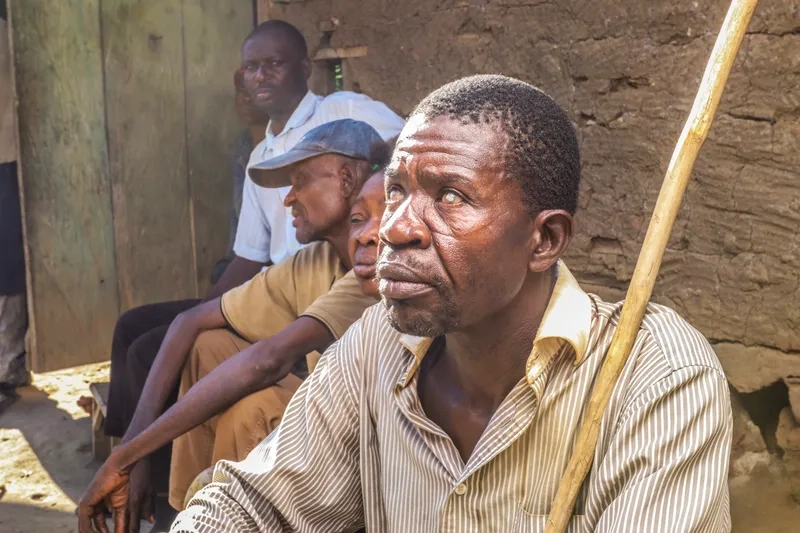
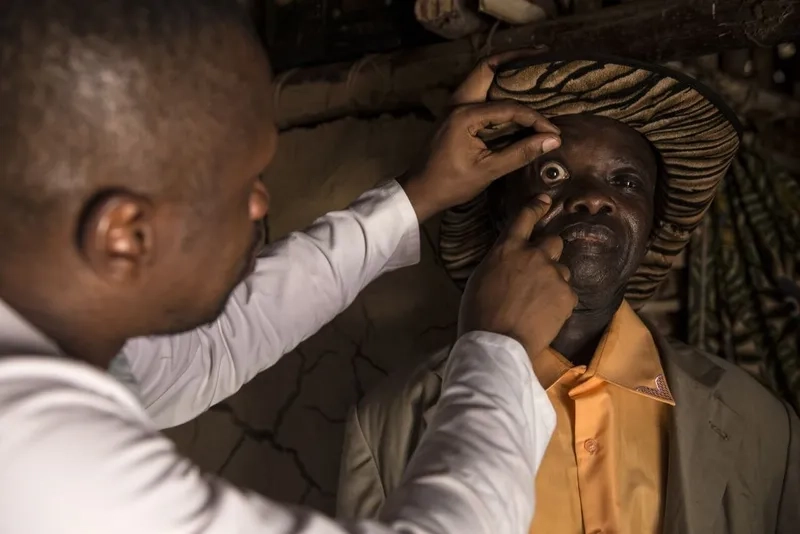
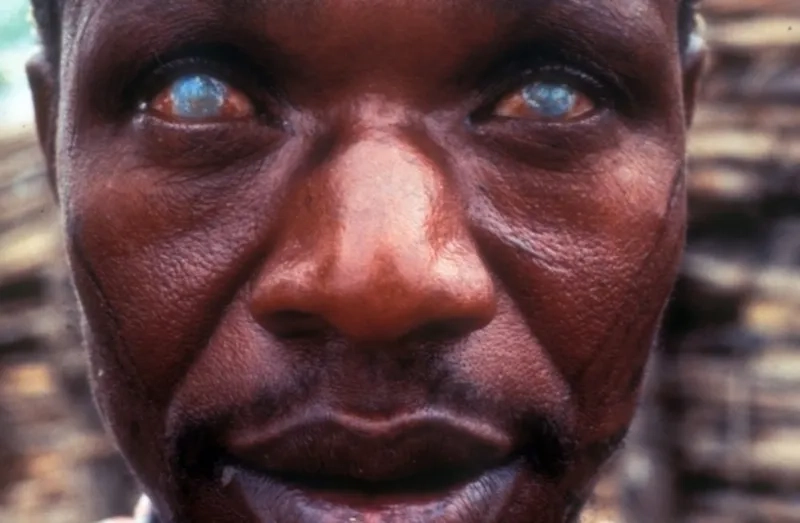

>>> Don't miss: Leptospirosis: Symptoms, Treatment, and Risk Factors
Understanding Onchocerciasis is key to supporting global efforts to eliminate it. While not endemic in Vietnam, awareness is crucial for travelers and health advocates. Always consult health authorities like the WHO for travel advice and information on at-risk regions.
>>> Read more here: Malaria: Prevention, Symptoms, and Treatment Options