
An aortic aneurysm is often called a 'silent killer' because it grows without symptoms. Understanding the risk factors and subtle signs is your best defence against a life-threatening rupture. Don't be caught unaware—learn what you need to know now.
What are the main causes of an Aortic Aneurysm?
- The leading cause is atherosclerosis, where a build-up of plaque damages and weakens the aortic walls, allowing a bulge to form over time.
- High blood pressure is a major contributor, as the constant force of blood against the aorta's wall can cause it to weaken and expand.
- Key risk factors for aortic aneurysm include smoking, a family history of the condition, and certain genetic disorders that affect connective tissue.
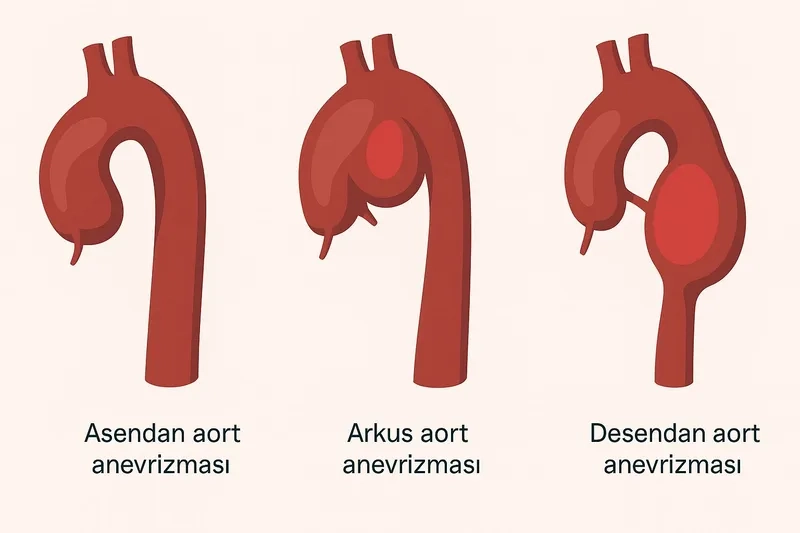
Key symptoms of an Aortic Aneurysm to watch for
- Most aneurysms, like an abdominal aortic aneurysm (AAA), show no symptoms until they are large or rupture, making screening crucial for at-risk individuals.
- A thoracic aortic aneurysm may cause chest pain, coughing, or shortness of breath if it presses on nearby structures in the chest cavity.
- Sudden, severe back or abdominal pain is a sign of a leaking aortic aneurysm or rupture, which is a medical emergency requiring immediate attention.
How can you manage and prevent an Aortic Aneurysm?
- The most effective prevention is managing key risk factors by quitting smoking, controlling blood pressure and cholesterol, and maintaining a healthy weight.
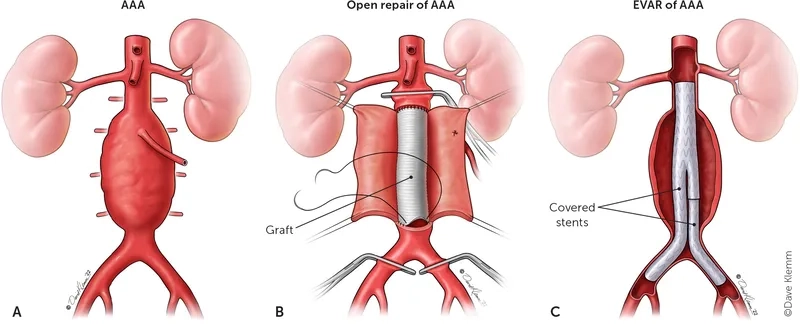
- For a diagnosed aneurysm, doctors monitor its growth; aortic aneurysm repair is considered based on size, often using an aortic aneurysm size chart for surgery.
- Regular screening via ultrasound is recommended for individuals with significant risk factors, such as men over 65 who have ever smoked.
>>> See this article: Deep vein thrombosis – signs, risks and care
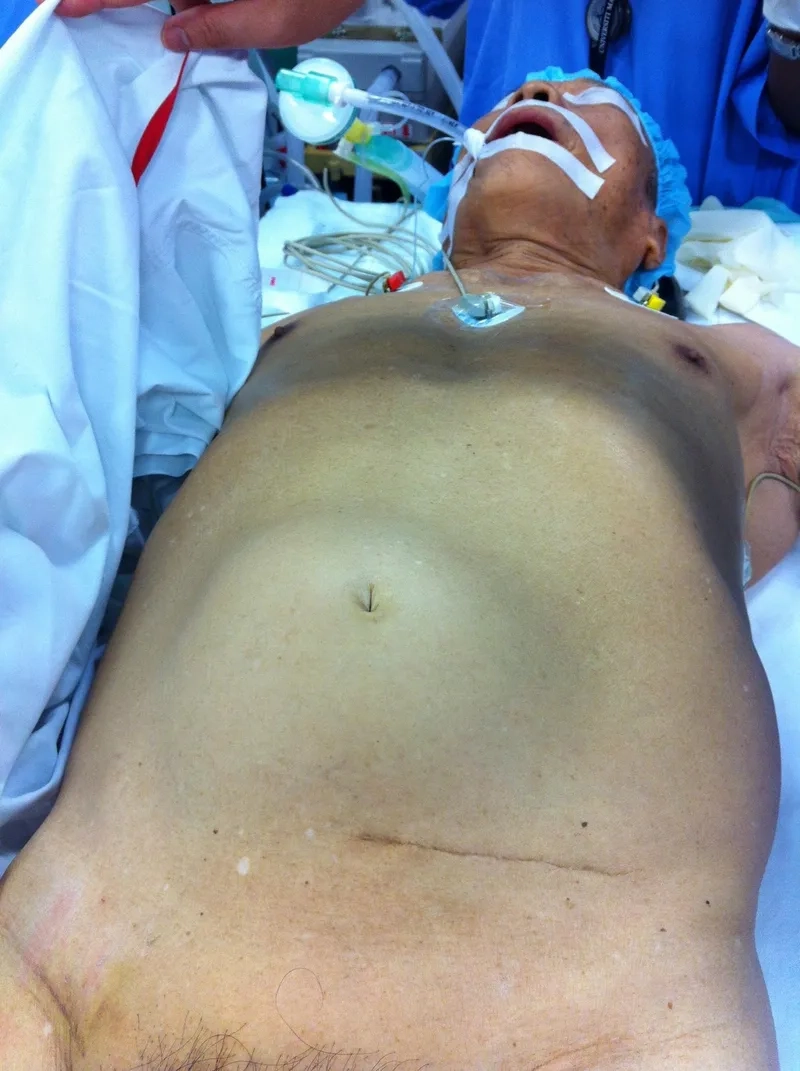
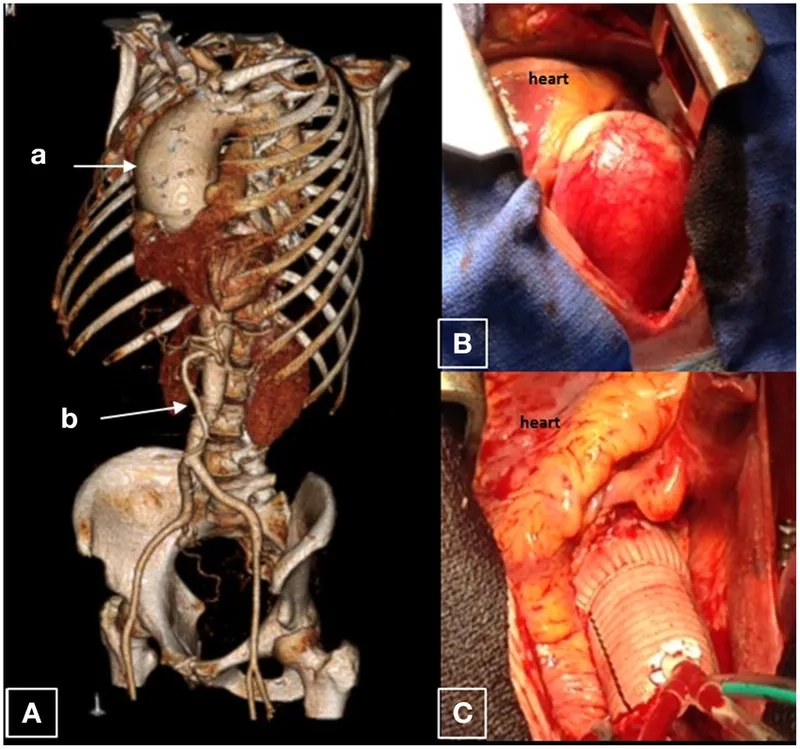
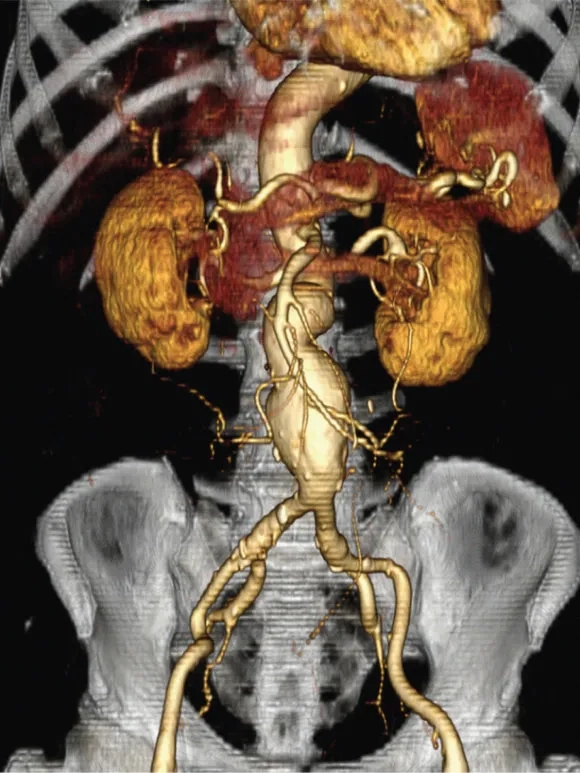
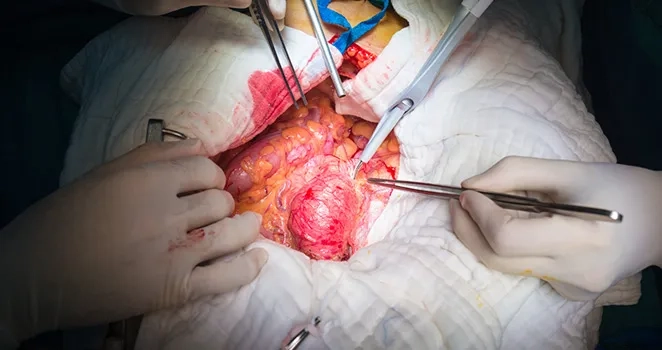
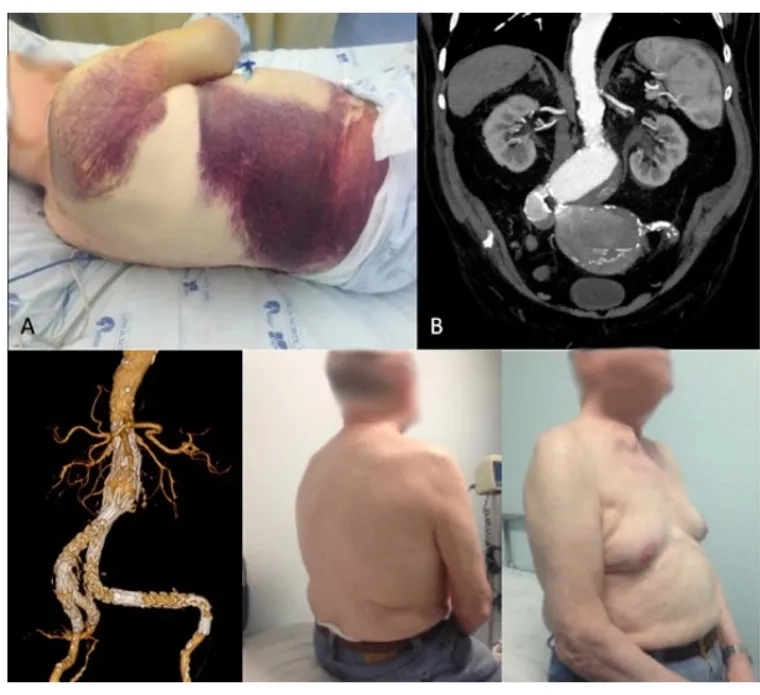
Image of the disease Aortic Aneurysm and other variables

>>> Discover more: Pulmonary embolism – causes, symptoms and treatment
Because aortic aneurysms are often silent, proactive screening and risk management are vital. Talk to your doctor about your personal risk factors and whether a screening test is right for you. Early detection is the key to preventing a medical emergency.
>>> See details: Valvular heart disease – symptoms and management