

Chemotherapy-Induced Cardiomyopathy affects heart function after cancer treatment. Recognize symptoms early and explore treatments to improve your cardiac health.
What are the main causes of Chemotherapy-Induced Cardiomyopathy?
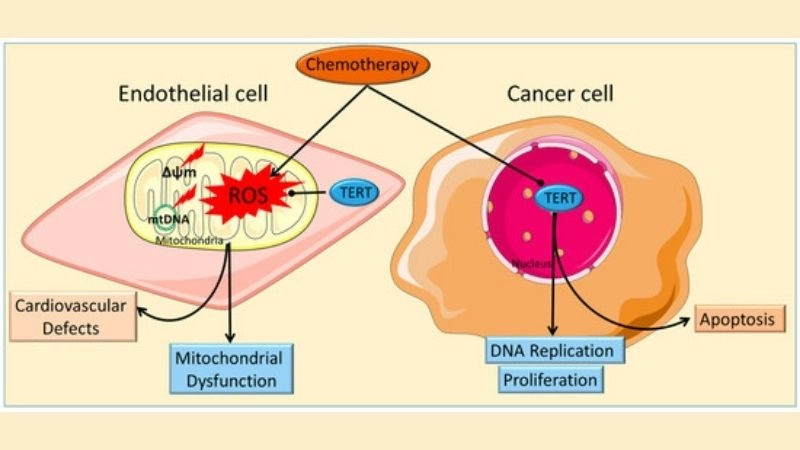
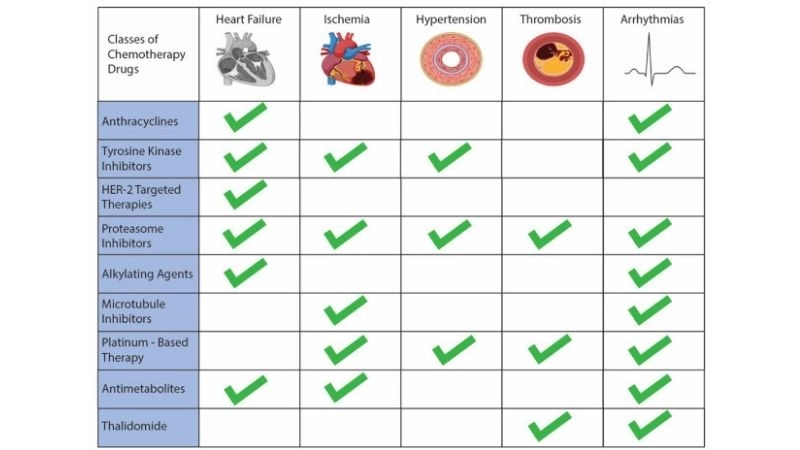
- Certain chemotherapy drugs, such as anthracyclines, can directly damage heart muscle cells, leading to weakened cardiac function and the onset of cardiomyopathy.
- Radiation therapy near the chest can harm the heart and coronary vessels, increasing the risk of long-term heart dysfunction after cancer treatment.
- Pre-existing heart disease or hypertension makes the heart more vulnerable to the toxic effects of chemotherapy, accelerating the development of cardiomyopathy.
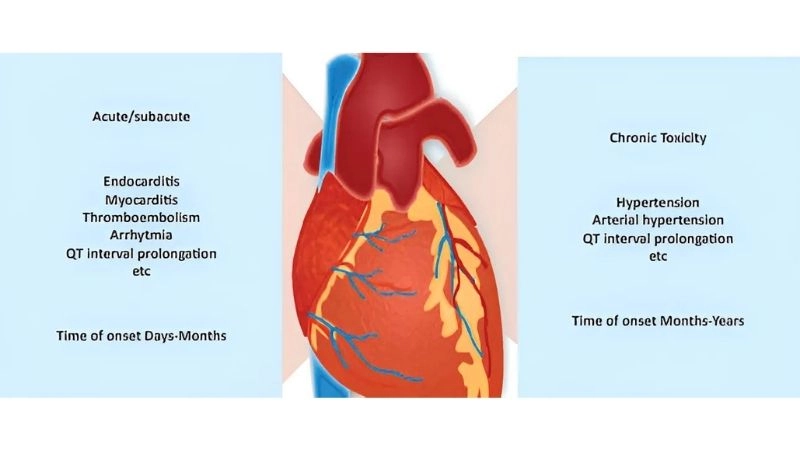
Chemotherapy induced cardiomyopathy symptoms warning signs in heart
>>> See more: How amyloid cardiomyopathy impacts heart function daily
Key symptoms of Chemotherapy-Induced Cardiomyopathy to watch for
- Persistent shortness of breath during daily activities or while resting is a common sign of developing heart failure caused by chemotherapy-induced damage.
- Swelling in the legs, ankles, or abdomen often reflects fluid retention, a result of declining heart function in Chemotherapy-Induced Cardiomyopathy patients.
- Fatigue, reduced stamina, and exercise intolerance are early indicators that the heart cannot effectively supply oxygen-rich blood throughout the body.
How can you prevent Chemotherapy-Induced Cardiomyopathy effectively?
- Regular cardiac monitoring, including echocardiograms, helps detect early changes in heart function during chemotherapy, allowing timely intervention and treatment.
- Adjusting chemotherapy dosage or switching to less cardiotoxic drugs reduces risks while maintaining cancer treatment effectiveness and protecting heart health.
- Lifestyle changes, including a heart-healthy diet, regular exercise, and blood pressure control, significantly improve cardiovascular resilience during and after treatment.
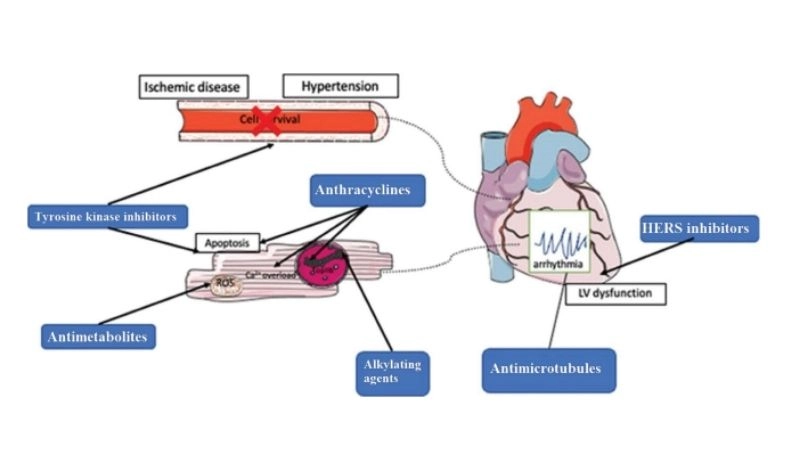
Chemotherapy induced cardiomyopathy treatment protecting heart health
>>> See more: Sarcoid Cardiomyopathy diagnosis signs and management
Images visual examples of Chemotherapy-Induced Cardiomyopathy
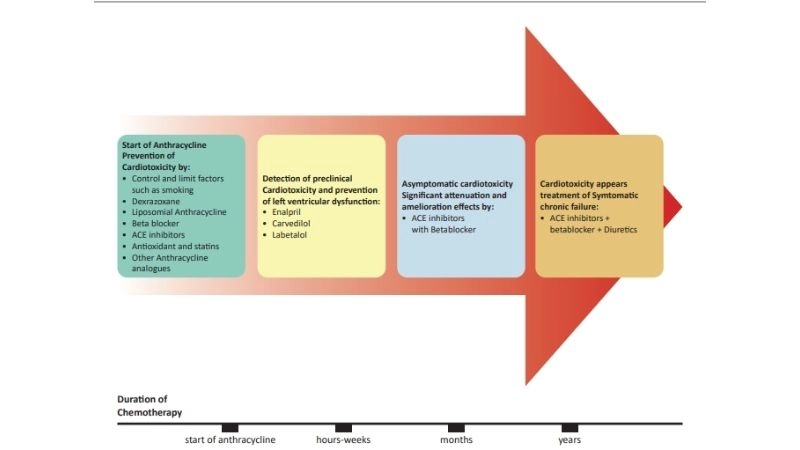
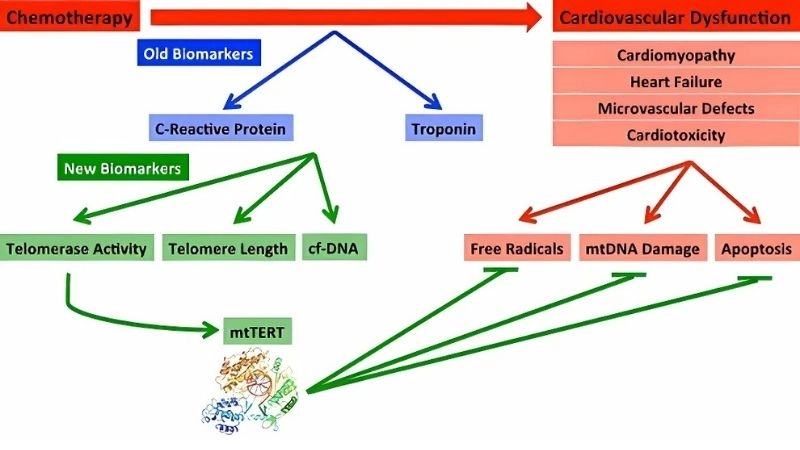
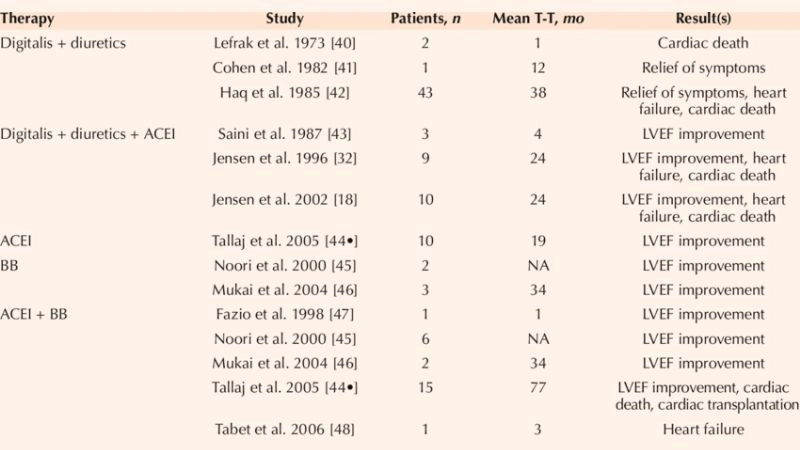
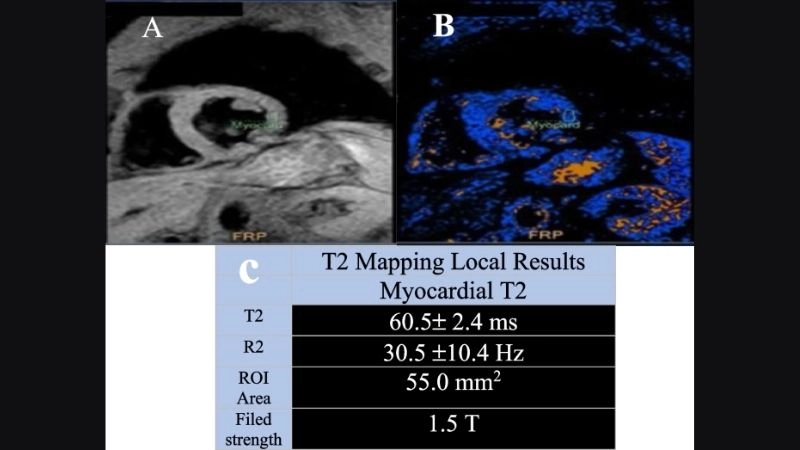
Visual examples of Chemotherapy-Induced Cardiomyopathy typically display weakened, dilated heart chambers, highlighting reduced pumping capacity and fluid accumulation in surrounding tissues and lungs.

>>> See more: Early warning Tachycardia-Induced Cardiomyopathy explained
Understanding Chemotherapy-Induced Cardiomyopathy helps patients manage heart health. Early detection and proper care can significantly improve life quality.


