
Constrictive pericarditis occurs when the pericardium becomes thickened and stiff, limiting heart function. Explore symptoms, causes, and treatment options here.
What are the main causes of constrictive pericarditis?
- Recurrent pericardial inflammation from infections or autoimmune diseases gradually leads to scarring and thickening, restricting the heart’s natural filling capacity.
- Prior heart surgery, chest radiation, or injury can damage the pericardium, causing stiff tissue that reduces the heart’s ability to expand properly.
- Tuberculosis and other chronic infections remain significant causes in developing countries, leading to long-term pericardial fibrosis and impaired heart function.
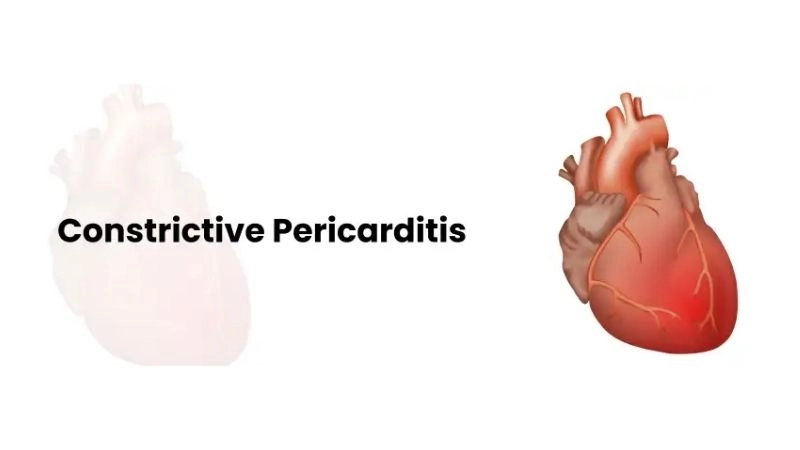
Constrictive pericarditis symptoms warning signs of heart restriction
>>> See more: Anomalous Left Coronary Artery from the Pulmonary Artery
Key symptoms of constrictive pericarditis to watch for
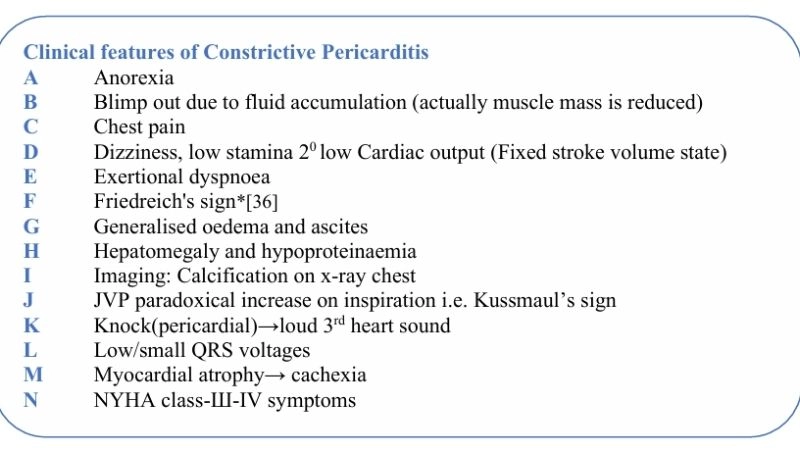
- Persistent swelling in the abdomen and legs develops from fluid buildup due to restricted cardiac filling and reduced blood circulation efficiency.
- Shortness of breath and fatigue occur because the stiff pericardium prevents the heart from pumping adequate blood during physical activities or exertion.
- Jugular vein distension and rapid heartbeat may appear, signaling elevated venous pressure and impaired heart chamber relaxation from constriction.
How can you prevent constrictive pericarditis effectively?
- Prompt treatment of pericardial infections and autoimmune conditions reduces the risk of long-term scarring that can progress into constrictive pericarditis.
- Regular medical follow-up after chest radiation or cardiac surgery helps detect early changes in the pericardium before severe complications develop.
- Adopting heart-healthy habits, including balanced nutrition, exercise, and avoiding infections, strengthens immunity and lowers overall cardiac disease risks.
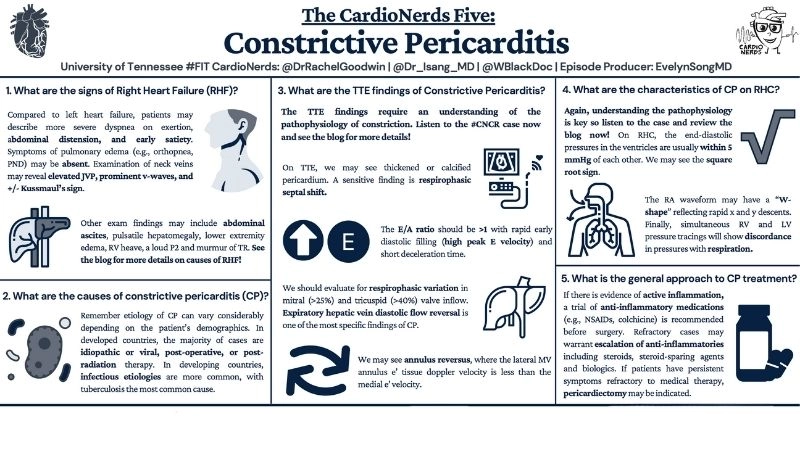
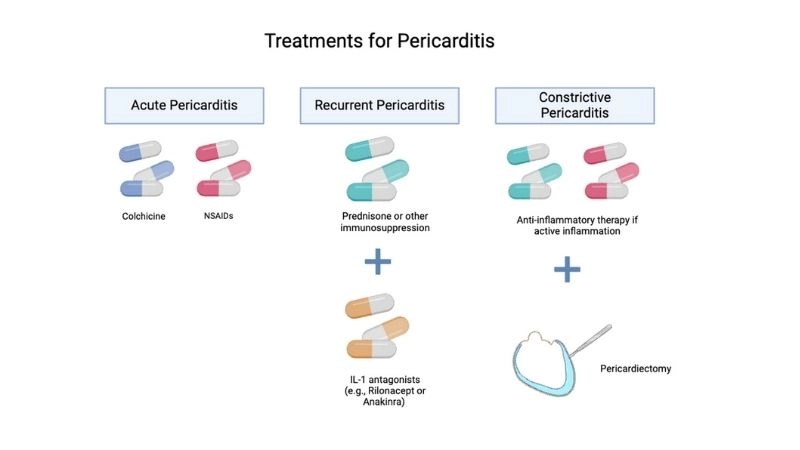
Constrictive pericarditis treatment medical and surgical management
>>> See more: Atrioventricular Canal Defect (Endocardial Cushion Defect)
Images visual examples of constrictive pericarditis
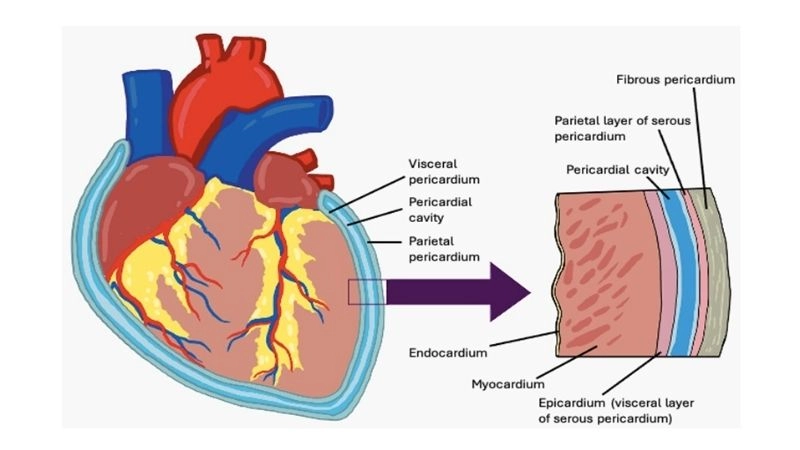
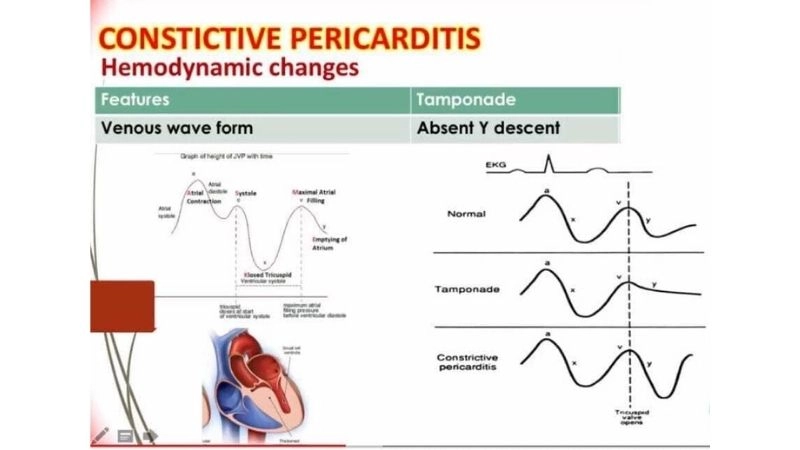
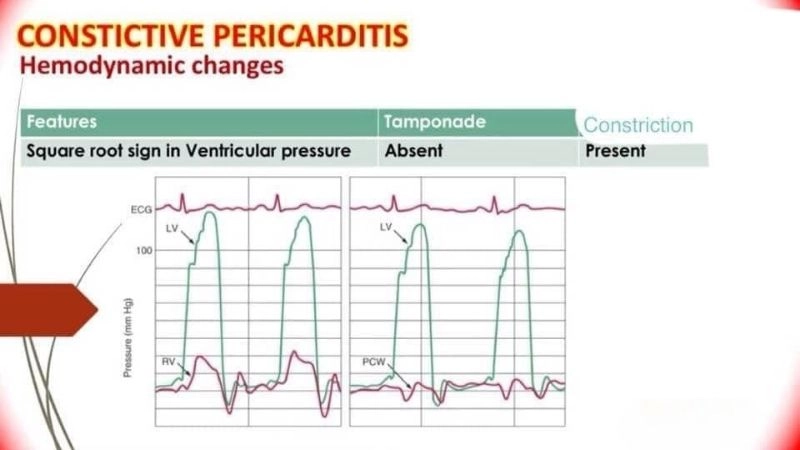
These visual examples highlight reduced elasticity, impaired blood flow, and the structural changes responsible for restrictive symptoms.


>>> See more: Understanding Pericarditis (Acute & Chronic) in depth
Constrictive pericarditis requires timely diagnosis and treatment for better outcomes. Understanding symptoms and care options helps improve patient survival.