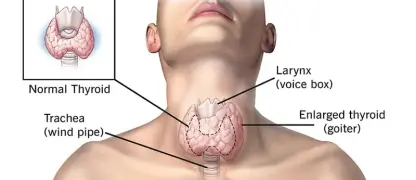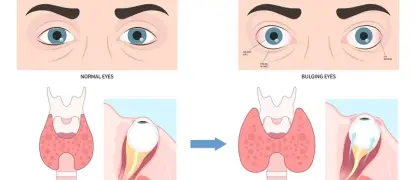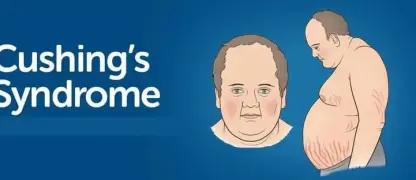

Feeling constantly tired and struggling with unexplained weight gain? Your thyroid might be the culprit. Understanding hypothyroidism is the key to getting a diagnosis, feeling better, and reclaiming your energy. Get the essential facts you need to know.
What are the main causes of Hypothyroidism?
- The most common cause is Hashimoto's disease, an autoimmune disorder where the immune system mistakenly attacks and damages the thyroid gland over time.
- Previous thyroid surgery, radiation therapy to the neck or chest, or certain medications can interfere with the thyroid's ability to produce enough hormones.
- A lack of dietary iodine, an essential mineral for hormone production, is a leading cause of an underactive thyroid in some parts of the world.

Key symptoms of Hypothyroidism to watch for
- Persistent fatigue, sluggishness, and unexplained weight gain are hallmark hypothyroidism symptoms, as the body's metabolism slows down significantly.
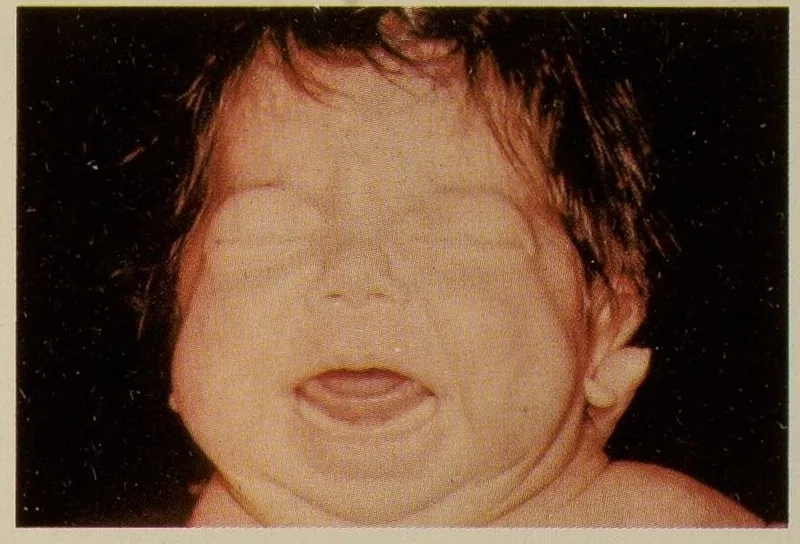
- Increased sensitivity to cold, dry skin, thinning hair, and brittle nails are common physical signs that your thyroid levels might be too low.
- You might experience depression, memory problems (brain fog), and muscle weakness, which can all be attributed to insufficient thyroid hormone affecting the body.
How can you prevent Hypothyroidism effectively?
- While autoimmune causes like Hashimoto's disease cannot be prevented, you can manage the condition effectively through medical treatment and lifestyle adjustments.
- The standard treatment is daily hormone replacement therapy with levothyroxine, which restores adequate hormone levels and reverses the symptoms of hypothyroidism.
- A balanced hypothyroidism diet rich in iodine, selenium, and zinc can support thyroid function, though it is not a substitute for prescribed medication.
>>> Learn now: Metabolic syndrome - The cluster of risks you can control
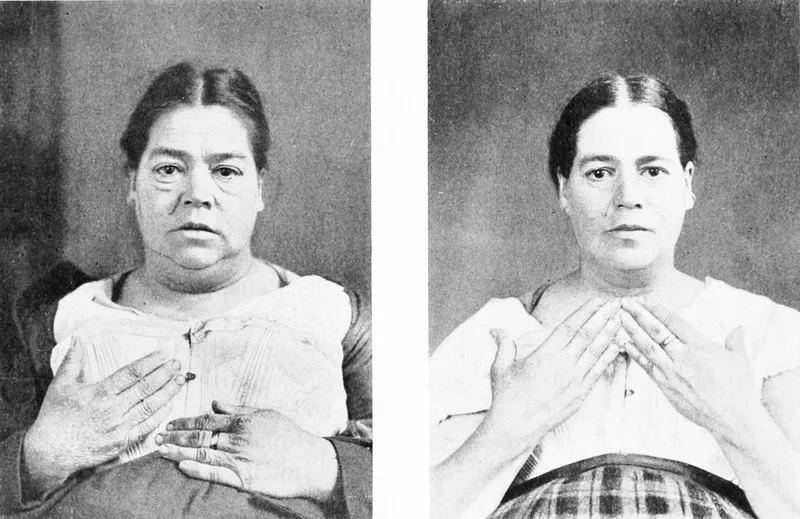
Image Illustrating Hypothyroidism Symptoms





>>> Don't miss: Obesity - Understanding the health risks beyond the scale
If you suspect an underactive thyroid, don't wait. A simple thyroid function test can provide a clear diagnosis. Consulting with a doctor is the first step towards getting the right treatment and managing your health effectively.
>>> Unknown more: Type 2 diabetes mellitus - Can you reverse it with lifestyle?