

Recognizing Kawasaki Disease early is critical to preventing serious heart complications. Don't miss these vital signs—understanding the symptoms and causes could protect your child's future health and prevent long-term issues.
What are the main causes of Kawasaki Disease?
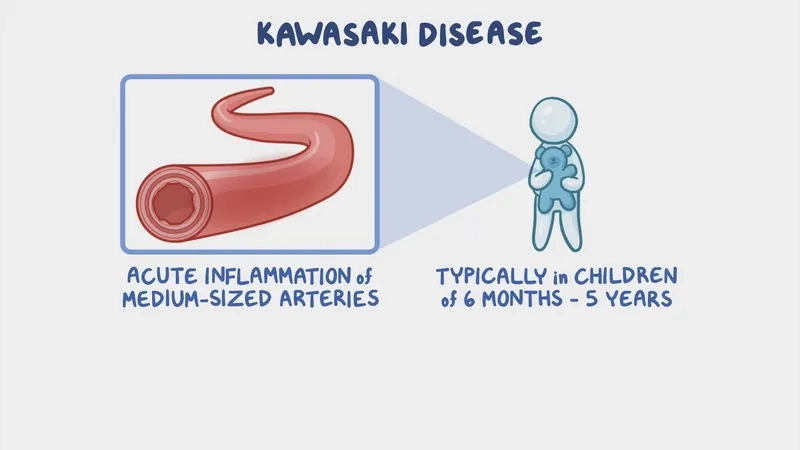
- The exact trigger remains unknown, but it's widely believed to be an overactive immune response following an infection in genetically predisposed children.
- It is important to know that Kawasaki Disease is not contagious, so it cannot be transmitted from one child to another through casual contact.
- Genetics and certain environmental factors likely contribute, as the condition is more prevalent during specific seasons and among certain ethnic backgrounds.
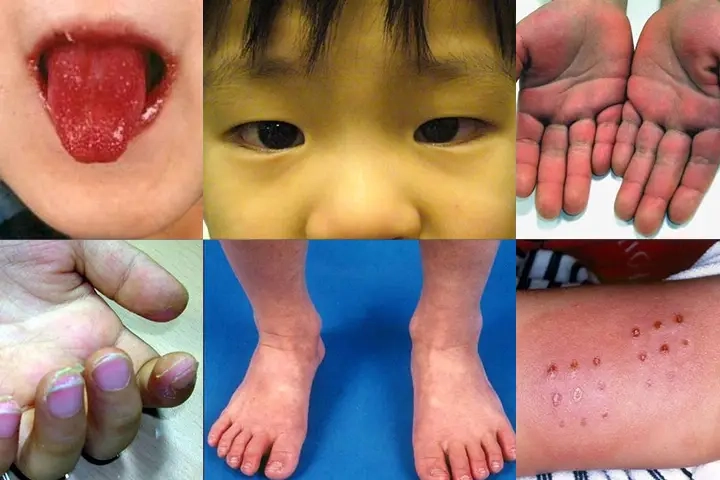
Key symptoms of Kawasaki Disease to watch for
- A persistent high fever that lasts for at least five days is the most common and crucial initial symptom to watch for in toddlers.
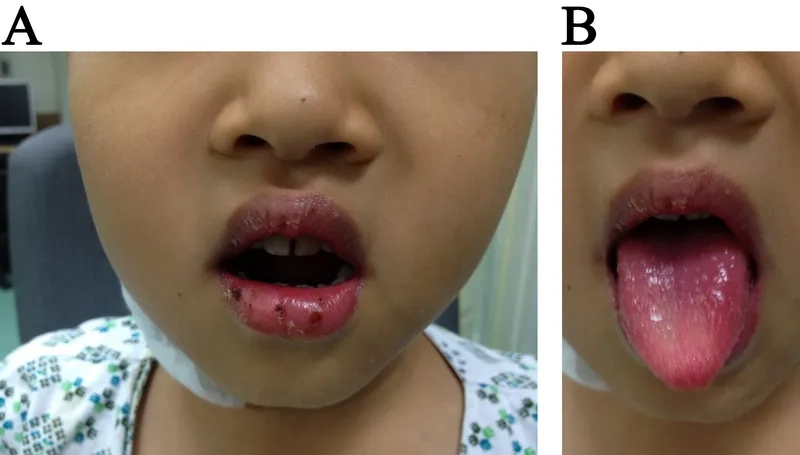
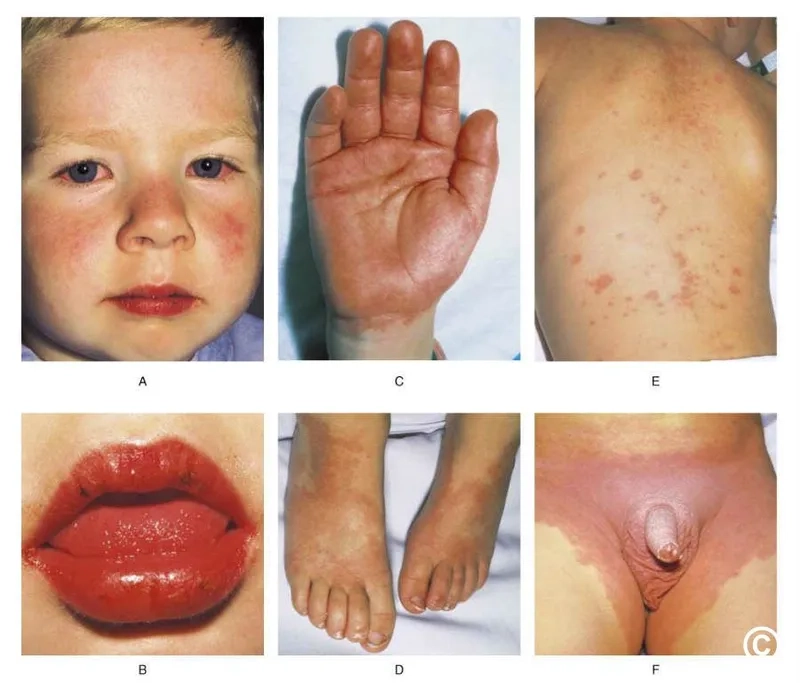
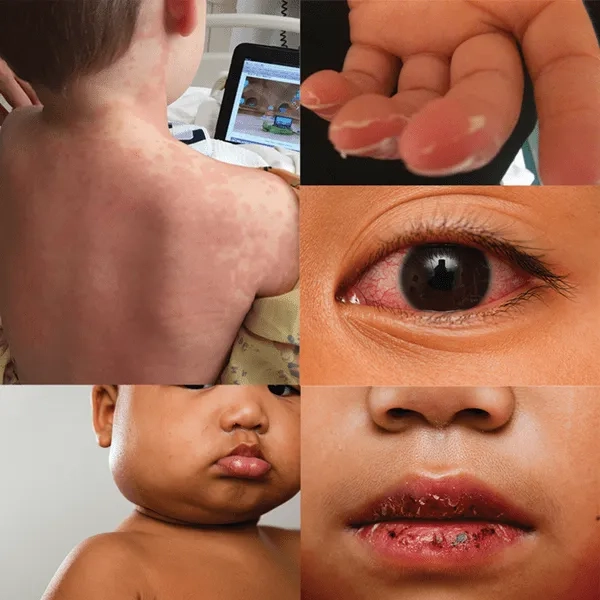
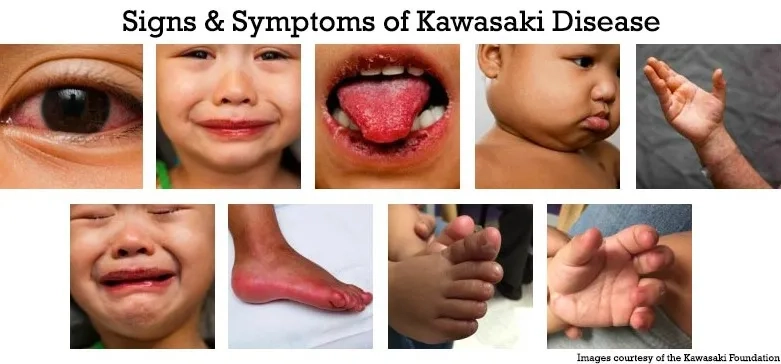
- A classic indicator is a bright red, bumpy "strawberry tongue," often accompanied by very red eyes that do not produce any discharge.
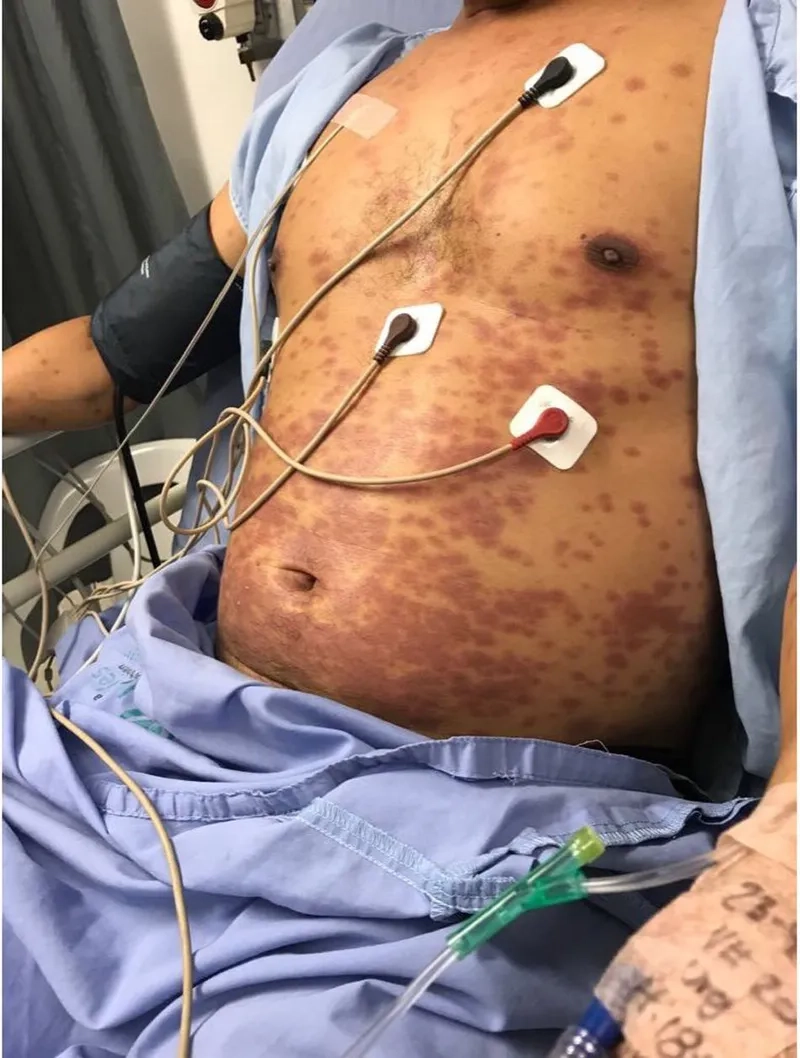
- Look for a widespread body rash, significantly swollen lymph nodes in the neck, and peeling skin on the fingers and toes.
How can you prevent Kawasaki Disease effectively?
- Since what causes Kawasaki Disease is still unclear, there are currently no specific or proven methods available to prevent its onset.
- The most effective strategy is early diagnosis followed by prompt IVIG treatment for Kawasaki to significantly reduce the risk of heart complications.
- Understanding all symptoms, including the incomplete Kawasaki Disease criteria, is the best defense against severe outcomes and potential long-term effects.
>>> Discover more: Herpes simplex virus - A guide to oral and genital herpes
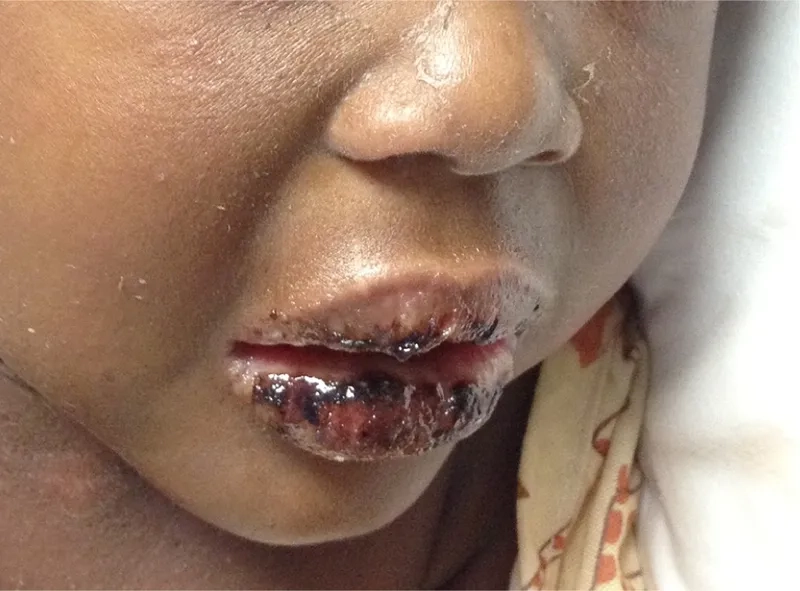
Image of the disease Kawasaki Disease
>>> Discover more: Impetigo - How to treat this contagious skin infection
Understanding these symptoms is the key to swift action. If your child exhibits these signs, contact a healthcare professional immediately to discuss diagnosis and treatment.
>>> See this article: Infectious mononucleosis - The kissing disease explained
