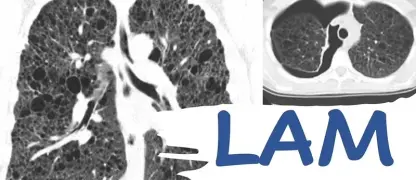

Your workplace could be harming your lungs without you even knowing. Understanding the risks of occupational lung diseases is the first step toward protecting your long-term health. Don't ignore these vital workplace safety facts.
What are the main causes of Occupational Lung Diseases?
- Prolonged inhalation of asbestos fibers, common in construction and shipbuilding, can lead to serious conditions like asbestosis and the cancer mesothelioma.
- Breathing in crystalline silica dust from mining, quarrying, or sandblasting causes silicosis, an incurable and progressive lung disease from dust.
- Coal workers' pneumoconiosis, also known as black lung disease, is directly caused by inhaling hazardous coal mine dust over many years.
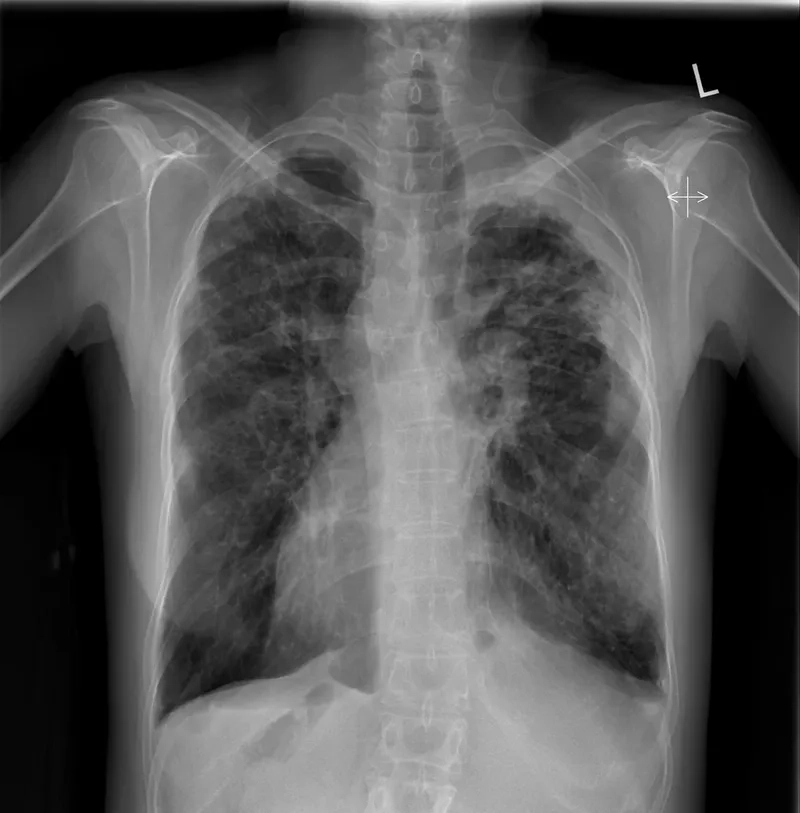
Key symptoms of Occupational Lung Diseases to watch for
- A persistent and worsening shortness of breath, especially during physical activity, is a primary symptom across many dust-related lung diseases.
- A chronic, dry cough that doesn't go away, sometimes accompanied by phlegm or even blood, is a significant red flag for workers.
- Many individuals experience chest tightness or a feeling of pressure, which are common asbestosis symptoms and signs of other related occupational illnesses.
How can you prevent Occupational Lung Diseases effectively?
- Employers must implement dust control measures, such as proper ventilation and wet-cutting methods, to minimize airborne particles at the source.
- Consistently using appropriate personal protective equipment (PPE), like properly fitted respirators, is a critical line of defense for every single worker.
- Regular health monitoring and comprehensive workplace safety training are essential for early detection and empowering workers to recognize and avoid hazards.
>>> Don't miss: Obstructive sleep apnea - Why you should never ignore snoring
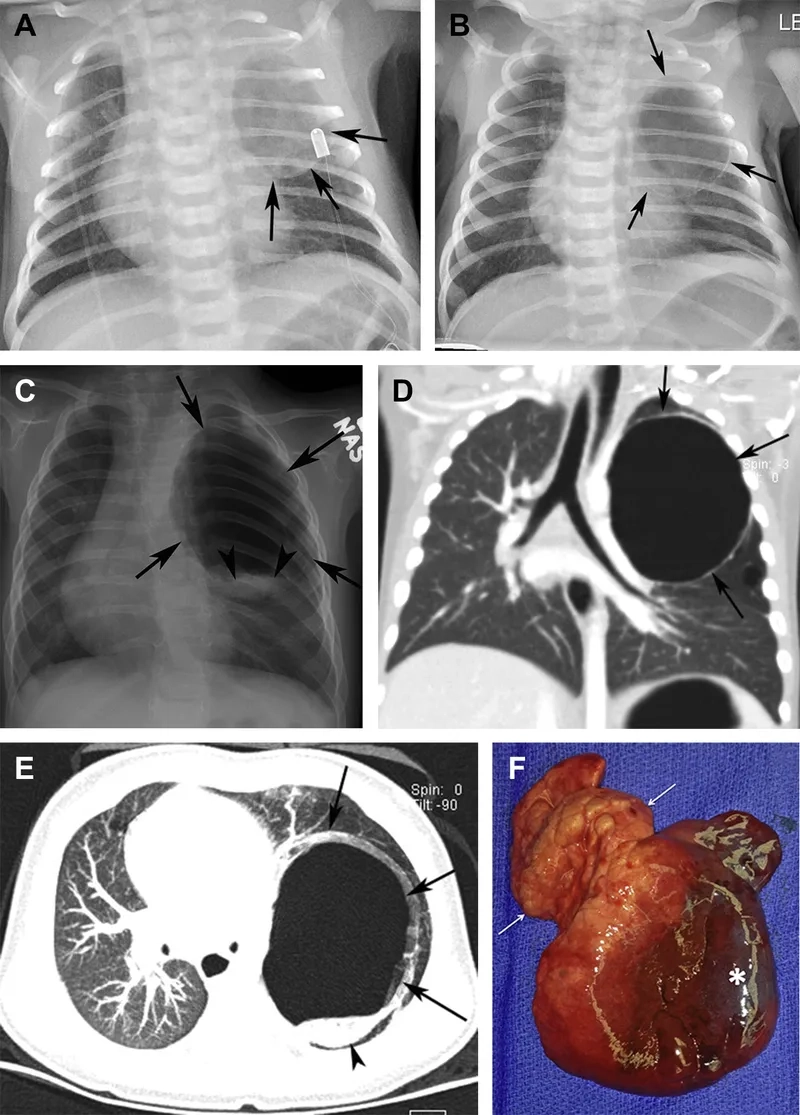
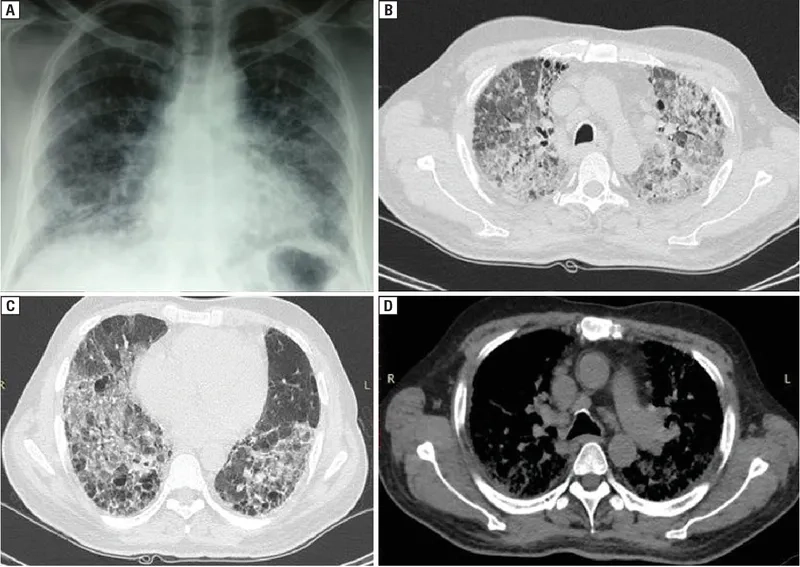
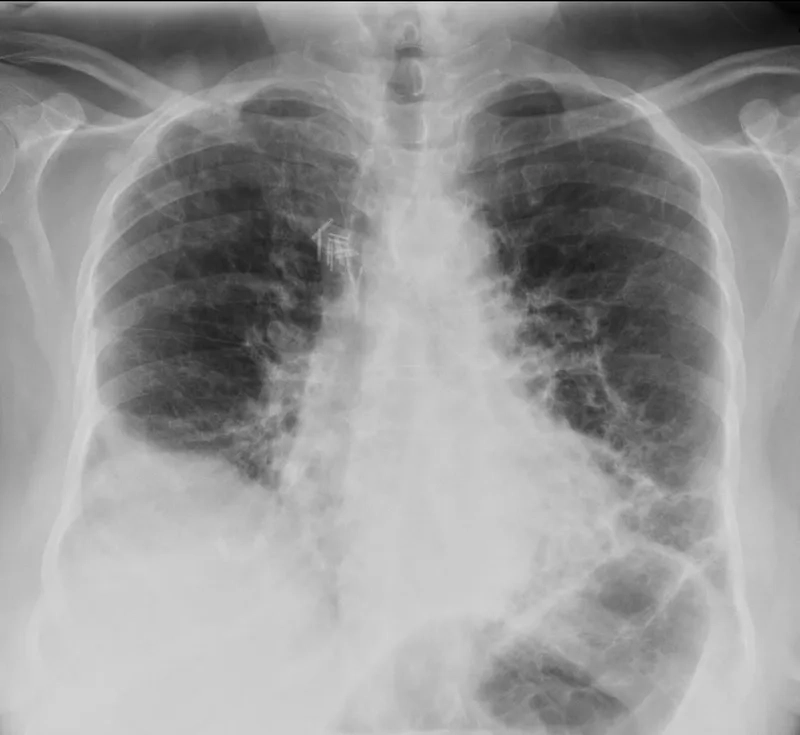
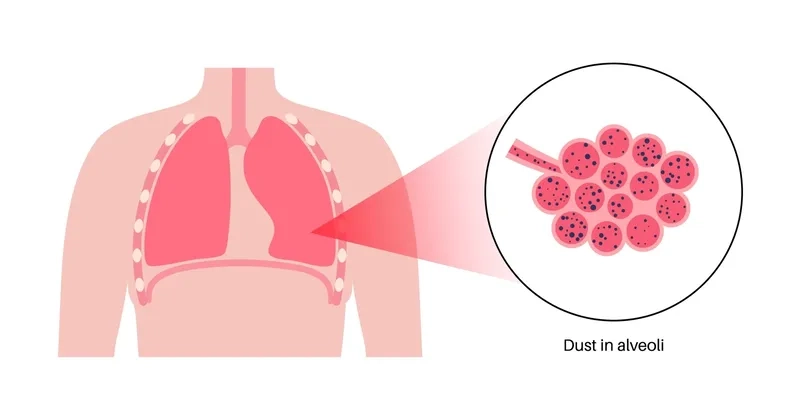
Image of the disease occupational lung diseases

>>> Learn now: Allergic rhinitis (hay fever) - Effective relief strategies
If you believe your lung condition is work-related, seek medical advice and explore your legal rights. Documenting your exposure is crucial for potential compensation claims and securing the support you deserve.
>>> Learn more: Chronic sinusitis - When your sinus infection never leaves