
Many ask, "is bubonic plague still around today?" The answer is yes. Though rare, this historic disease still poses a threat in some regions. This guide explains what you need to know to stay informed and safe.
What are the main causes of Plague?
- The plague is caused by the bacterium Yersinia pestis, the same agent that caused the Black Death, a devastating pandemic in history.
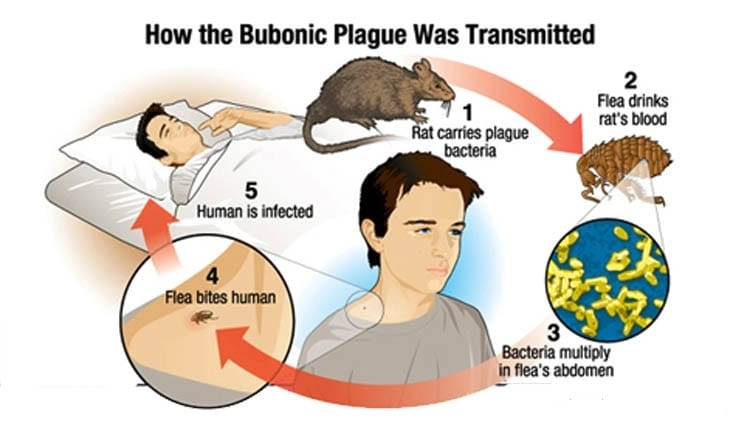
- The disease is primarily transmitted through the bite of an infected bubonic plague flea that has fed on a rodent like a rat or squirrel.
- How is the bubonic plague transmitted otherwise? Through contact with infected animal tissues or inhaling droplets from a person with pneumonic plague.
Key symptoms of Plague to watch for
- Classic bubonic plague symptoms include sudden fever, weakness, and painful, swollen lymph nodes called buboes that develop near the flea bite.
- These painful bubonic plague sores (buboes) are a hallmark sign, typically appearing in the groin, armpit, or neck region.
- In pneumonic plague vs bubonic plague, the pneumonic form directly infects the lungs, causes severe pneumonia, and can spread between people.
How can you prevent Plague effectively?
- The best prevention of the plague is reducing rodent habitats around your home by removing potential food sources and shelter.
- Use an insect repellent with DEET to prevent flea bites and use appropriate flea control products on your pets, especially in endemic areas.
- Avoid handling sick or dead animals, particularly rodents, and wear gloves if you must handle them for safe disposal.
>>> Don't miss: Colorado tick fever - A viral infection from the Rocky Mountain wood tick
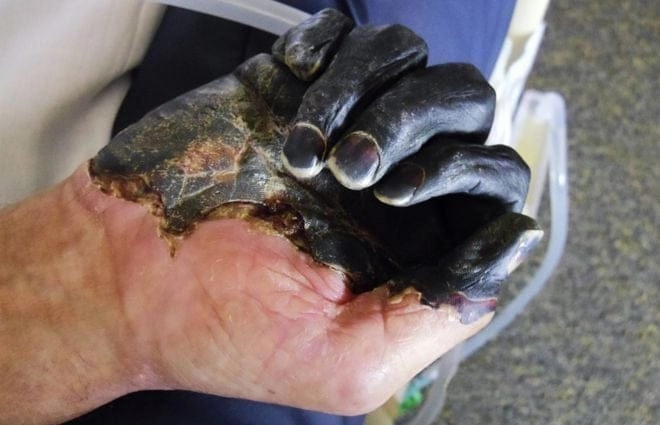
Illustrated illustrations Plague
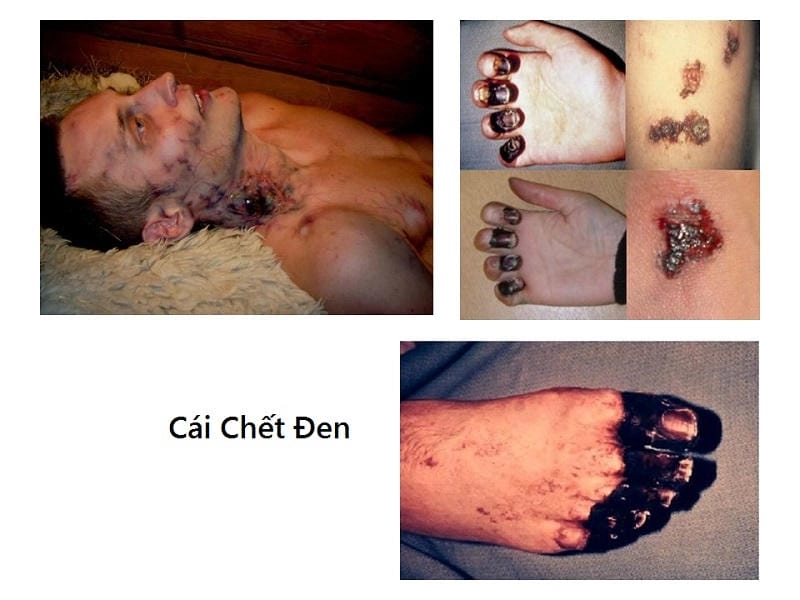

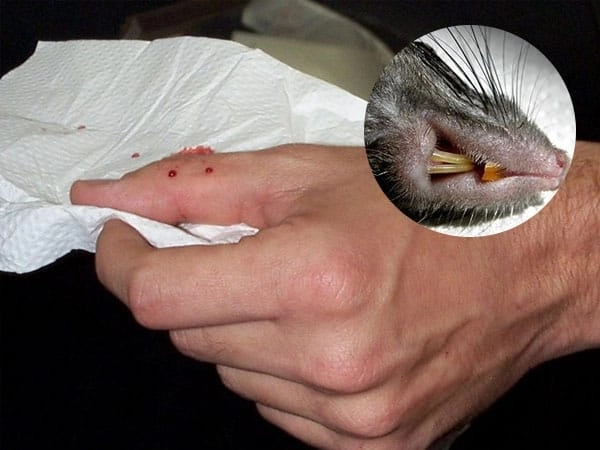
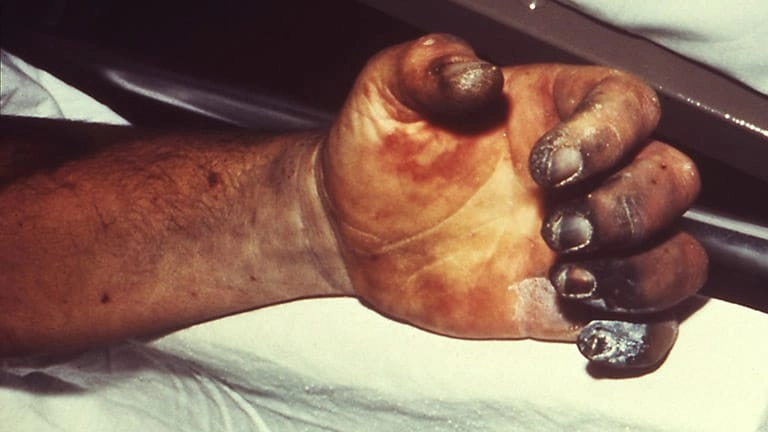
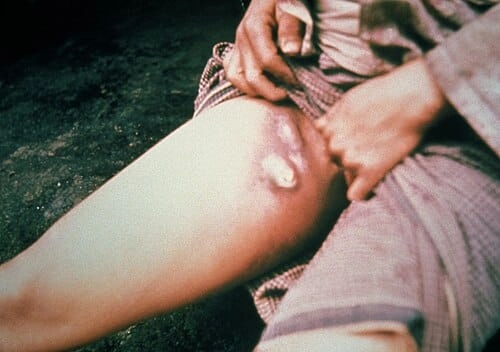
>>> See more: Crimean-congo hemorrhagic fever - A widespread and deadly virus
While no common bubonic plague vaccine exists, the disease is treatable. Modern bubonic plague treatment with antibiotics is effective if started early. If in a risk area with symptoms, seek medical care immediately.
>>> Find out together: Heartland virus disease - An emerging illness from the lone star tick