
Don't underestimate a persistent cough or fever. Recognizing the signs of pneumonia early is crucial for effective treatment and preventing severe complications. This guide gives you the essential knowledge to protect your lung health against its various forms.
What are the main causes of Pneumonia?
- Bacterial pneumonia is often caused by Streptococcus pneumoniae, spreading through respiratory droplets and leading to infection when the body's defenses are weakened.
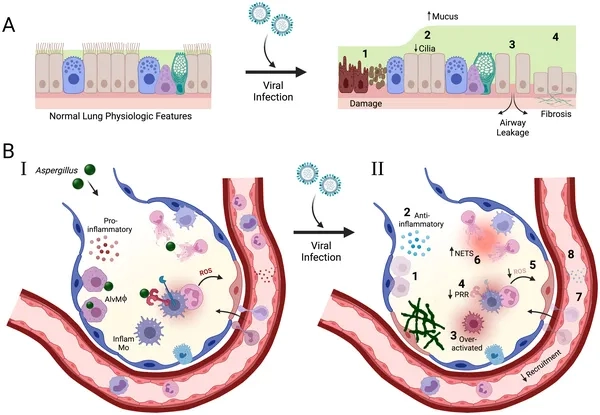
- Viruses like influenza, respiratory syncytial virus (RSV), and SARS-CoV-2 are common culprits, directly invading lung tissue and causing inflammation and fluid buildup.
- Fungal pneumonia is rarer and typically affects individuals with compromised immune systems, caused by inhaling spores from fungi found in soil or droppings.

Key symptoms of Pneumonia to watch for
- Watch for a cough that may produce greenish, yellow, or even bloody mucus, accompanied by a high fever, sweating, and shaking chills.
- Shortness of breath, rapid, shallow breathing, and sharp or stabbing chest pain that worsens during deep breaths or coughing are critical warning signs.
- General symptoms include a loss of appetite, low energy, fatigue, and confusion, which can be particularly noticeable in older adults with the infection.
How can you prevent pneumonia effectively?
- Get vaccinated against pneumococcus (PCV13, PPSV23) and influenza, as these are highly effective at preventing some of the most common causes.
- Practice excellent hand hygiene by washing hands regularly, avoid touching your face, and maintain distance from sick individuals to reduce germ transmission.
- Strengthen your immune system by not smoking, eating a balanced diet, exercising regularly, and getting enough sleep to help your body fight off infections.
>>> Details at: Blastomycosis Symptoms: Are You at Risk From This Fungus?
Images Visual Examples of Pneumonia




>>> Read more here: Fifth Disease 'Slapped Cheek' Rash: A Parent's Guide
Early detection and prevention are the best defenses against the dangers of pneumonia. Take advantage of this knowledge to protect your health. If you experience worrying symptoms, see a healthcare professional immediately for an accurate diagnosis and appropriate treatment plan.
>>> See more: Croup in Children: Recognizing That Barking Cough & What to Do