

Pompe disease is a rare genetic condition that weakens muscles and organs. Understanding its causes, symptoms, and treatments is vital for better care.
What are the main causes of Pompe Disease?
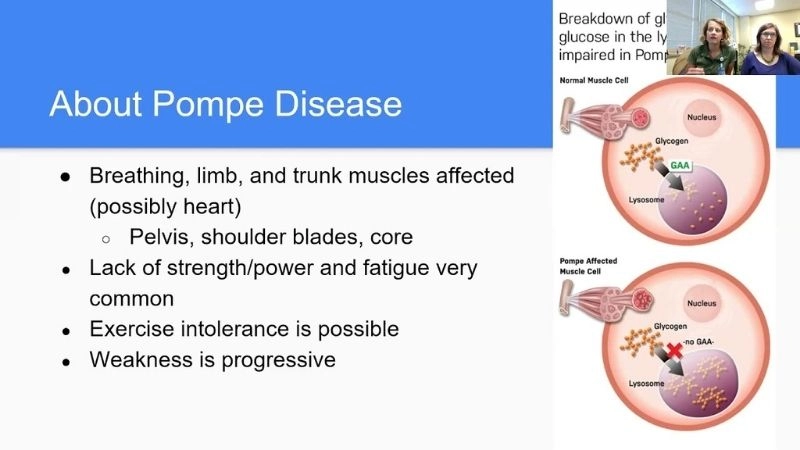
- Pompe Disease is caused by mutations in the GAA gene, which affects the body's ability to break down glycogen in muscle cells efficiently.
- Inherited in an autosomal recessive pattern, Pompe Disease occurs when a child receives two defective GAA gene copies, one from each parent.
- Enzyme deficiency in acid alpha-glucosidase leads to glycogen accumulation in muscles, gradually causing muscle weakness and impaired organ function.

Uncover the truth of pompe disease symptoms
>>> See more: Understanding symptoms and causes of Noonan Syndrome
Key symptoms of Pompe Disease to watch for
- Infants may experience severe muscle weakness, feeding difficulties, and respiratory issues within the first few months of life.
- Children and adults often show progressive muscle fatigue, difficulty walking, and shortness of breath due to respiratory muscle involvement.
- Cardiomyopathy, enlarged tongue, and motor delays are common signs, particularly in early-onset Pompe Disease cases, highlighting the need for early diagnosis.
How can you prevent Pompe Disease effectively?
- Genetic counseling is crucial for at-risk couples to understand inheritance patterns and reduce the risk of passing the disease to offspring.
- Early diagnosis through newborn screening allows timely enzyme replacement therapy, significantly improving outcomes and slowing disease progression.
- Regular monitoring and supportive therapies, including physical and respiratory therapy, can help manage symptoms and maintain a better quality of life.

New hope shines in pompe disease treatment
>>> See more: Holt-Oram syndrome symptoms early detection and risks
Images visual examples of Pompe Disease
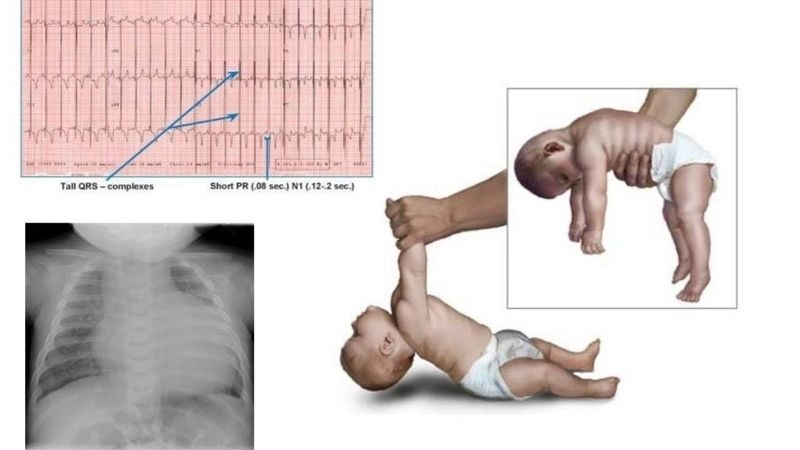
Pompe Disease affects muscle tissue and can lead to visible muscle weakness and mobility limitations. Diagnostic imaging often highlights enlarged heart and glycogen storage in skeletal muscles, providing crucial insights for treatment planning.





>>> See more: Fabry disease understanding impact on human health
Pompe disease requires early diagnosis and effective management to improve patient outcomes. Awareness of symptoms and treatments is crucial for care.