
Rift Valley Fever is a viral disease affecting humans and animals. Understanding its causes, symptoms, and preventive measures is essential to stay safe and reduce infection risk.
What are the main causes of Rift Valley Fever?
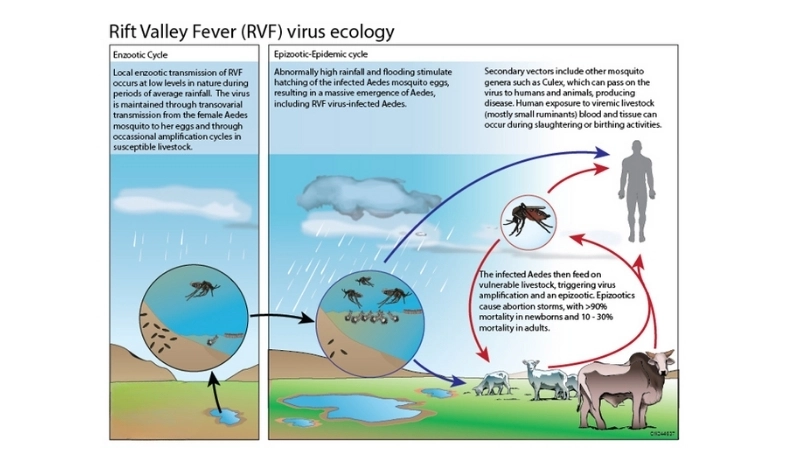
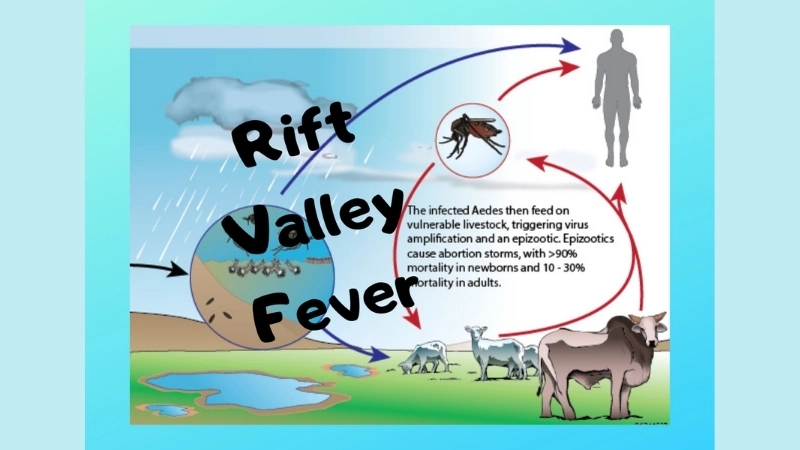
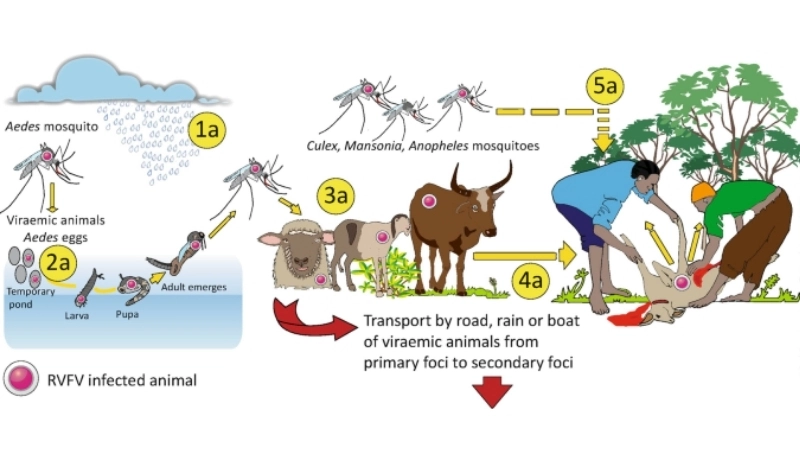
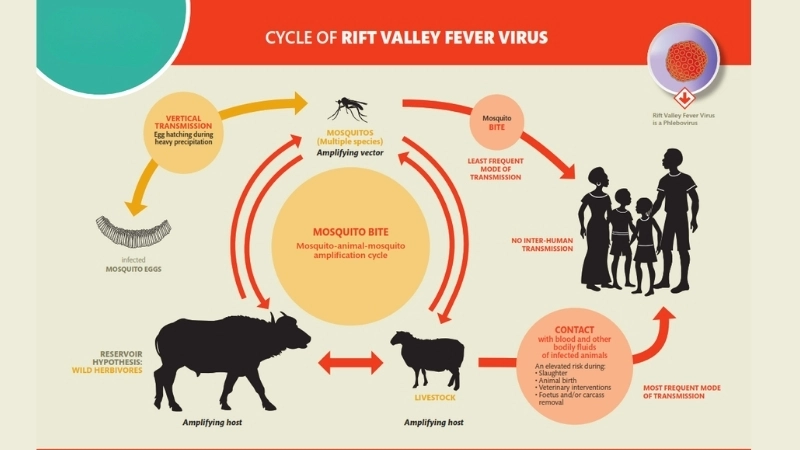
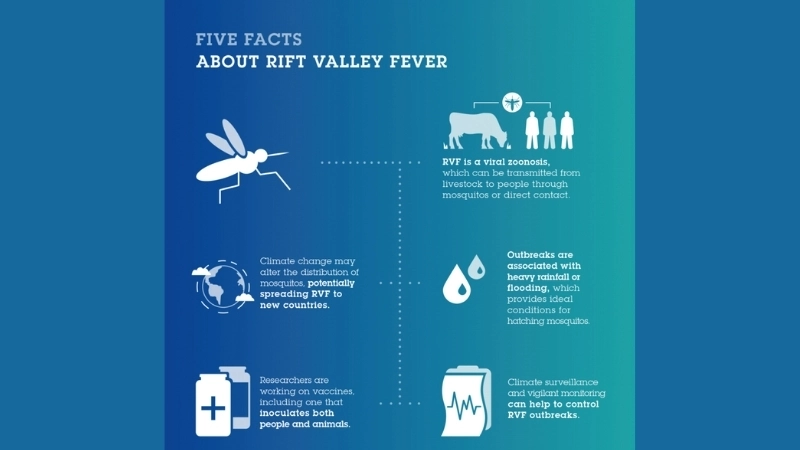
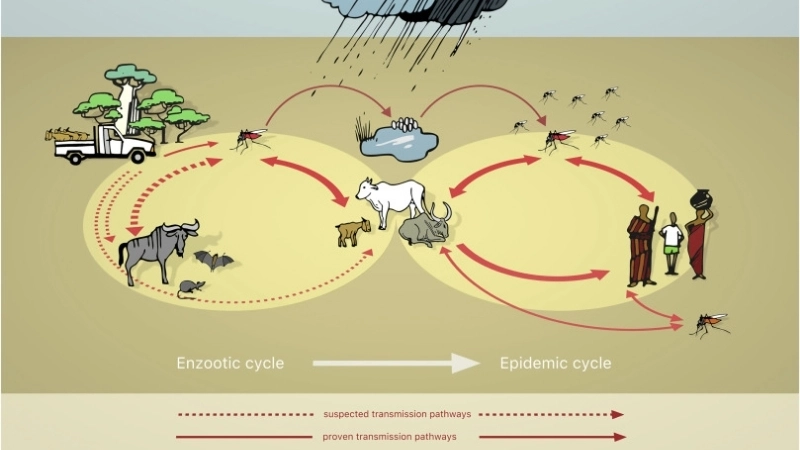
- Rift Valley Fever is primarily caused by a virus transmitted through bites of infected mosquitoes in regions with heavy rainfall and flooding.
- Handling blood, organs, or tissues of infected animals can directly transmit the virus to humans.
- The disease can also spread through contact with contaminated animal products, including milk or meat from infected livestock.
Key symptoms of Rift Valley Fever to watch for
- Early symptoms include sudden fever, severe headaches, muscle pain, and general weakness, often appearing two to six days after exposure.
- Some individuals may experience vision problems, including blurred vision or inflammation in the retina, which can lead to temporary or permanent vision loss.
- Severe cases can involve hemorrhagic fever, liver damage, or encephalitis, requiring immediate medical attention to prevent fatal outcomes.
>>>Explore now: Understanding crimean-congo hemorrhagic fever cchf risks
How can you prevent Rift Valley Fever effectively?
- Avoid mosquito bites by using insect repellent, wearing protective clothing, and sleeping under treated mosquito nets in affected areas.
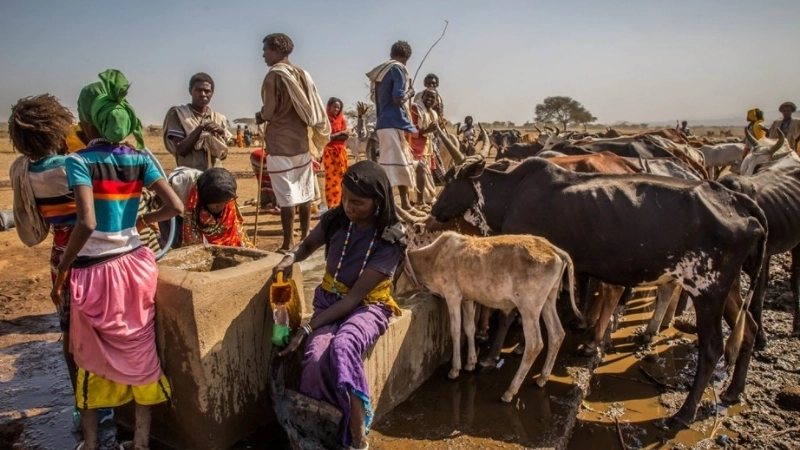
- Limit direct contact with sick animals, and always use gloves or protective gear when handling livestock, blood, or tissues.
- Ensure proper cooking of meat and pasteurization of milk to reduce the risk of infection from contaminated animal products.
>>>Explore now: Chikungunya symptoms causes and treatment explained
Image description of Rift Valley Fever
Rift Valley Fever is a viral disease affecting both humans and animals, mainly transmitted through mosquitoes or contact with infected livestock. It causes fever, muscle pain, and in severe cases, vision problems or hemorrhagic complications.


>>>Explore now: Zika virus disease symptoms causes and prevention tips
Staying informed about Rift Valley Fever helps communities prevent outbreaks. Timely precautions, vaccination, and awareness are crucial to minimize the impact on health and livestock.