

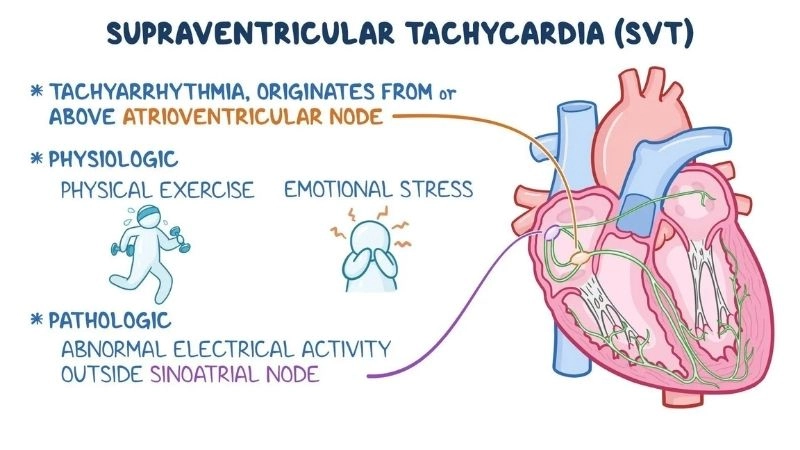
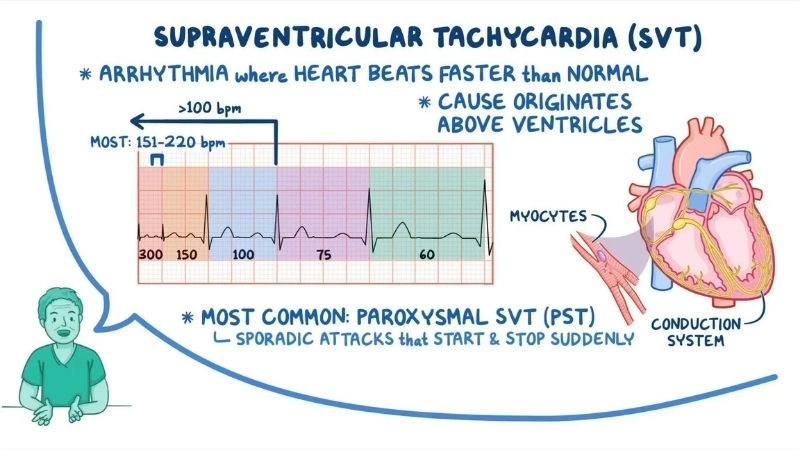
Supraventricular Tachycardia (SVT) is a fast heart rhythm condition that affects many people, causing symptoms like palpitations, chest discomfort, and fatigue.
What are the main causes of supraventricular tachycardia (SVT)?
- Abnormal electrical signals in the atria can disrupt normal heart rhythm, leading to episodes of rapid heartbeat and sudden palpitations.
- Excessive caffeine, alcohol, or stimulant use can trigger SVT by overstimulating the heart’s conduction system, causing irregular impulses.
- Structural heart abnormalities, congenital defects, or scarring from prior heart conditions may increase the risk of developing recurrent SVT.
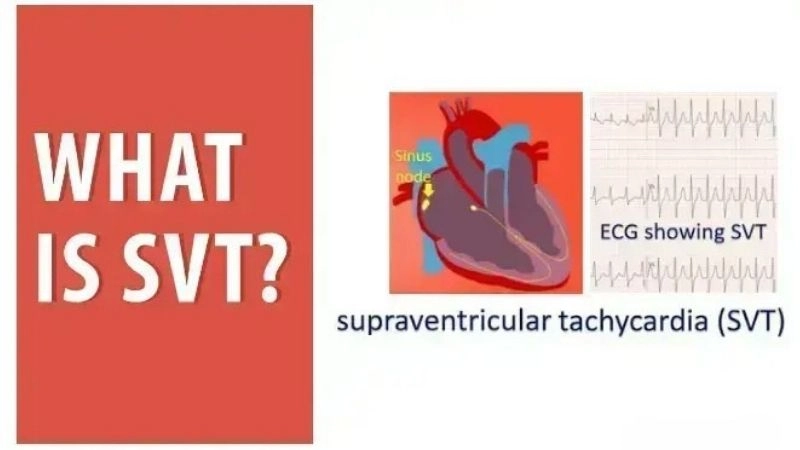
Supraventricular Tachycardia symptoms include rapid heartbeat spells
>>> Understand more about: Takayasu's Arteritis signs causes and prevention methods
Key symptoms of supraventricular tachycardia to watch for
- Sudden episodes of rapid heartbeat, often starting and stopping abruptly, lasting from a few seconds to several hours.
- Dizziness, shortness of breath, or chest discomfort may accompany palpitations, especially during physical activity or stress.
- Fatigue and anxiety often occur due to recurring episodes, impacting daily life and overall quality of health.
How can you prevent supraventricular tachycardia (SVT) effectively?
- Limit intake of caffeine, alcohol, and stimulants to reduce the likelihood of triggering abnormal heart rhythms.
- Manage stress through relaxation techniques, exercise, or meditation to maintain healthy heart rhythm balance.
- Schedule regular check-ups and follow prescribed medications to control risk factors and prevent recurrence of SVT.
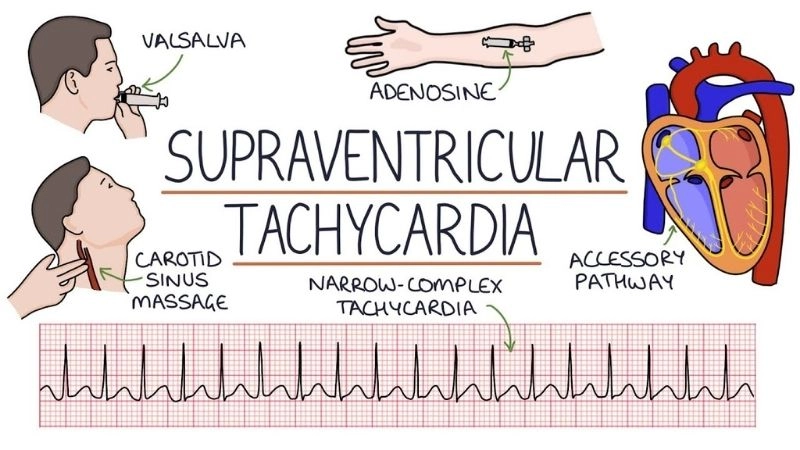
SVT treatment helps restore normal rhythm and calm the heart
>>> Understand more about: Atrial fibrillation symptoms causes and treatment plans
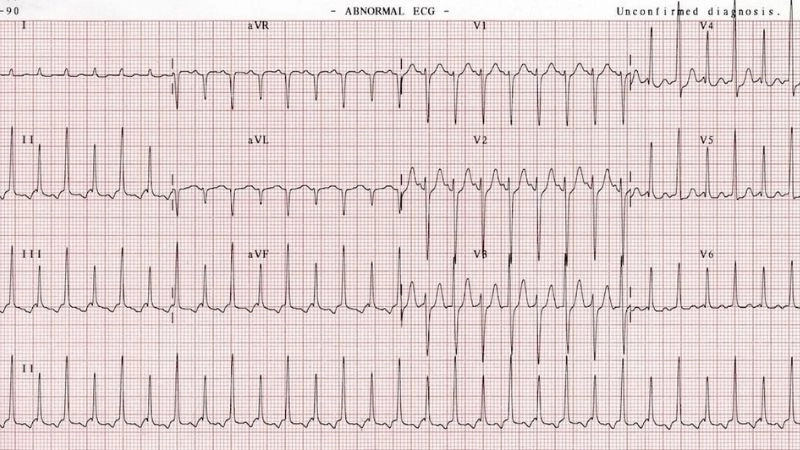
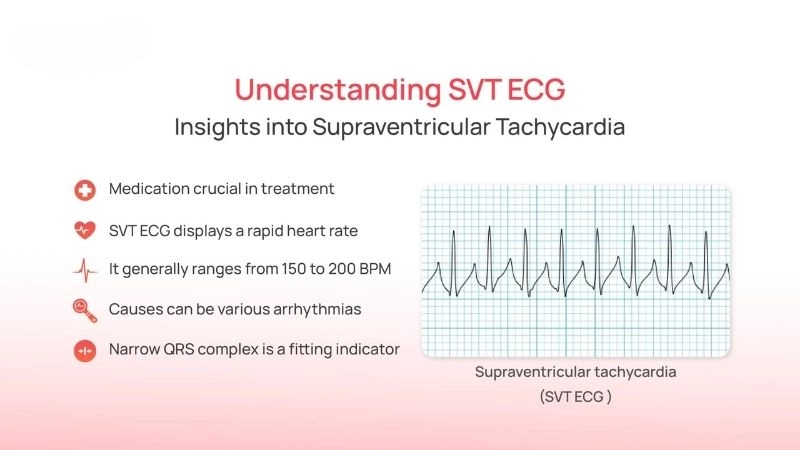
Images visual examples of supraventricular tachycardia
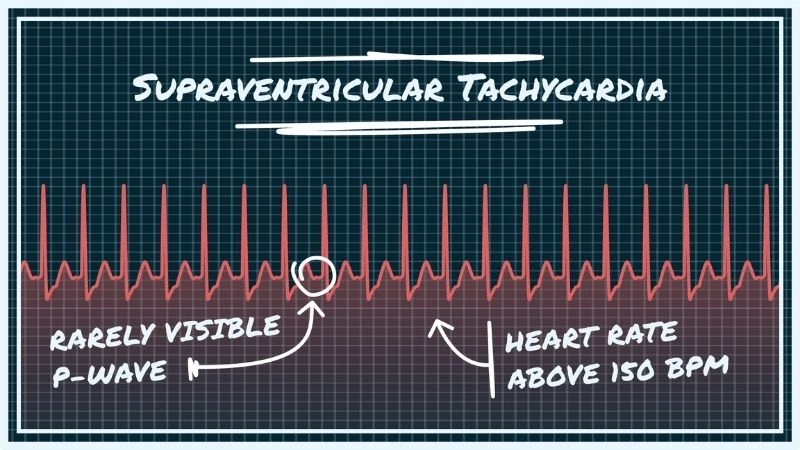
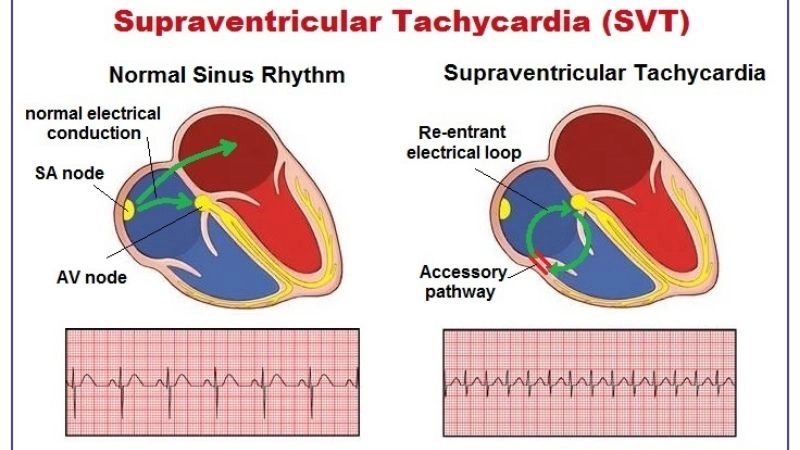
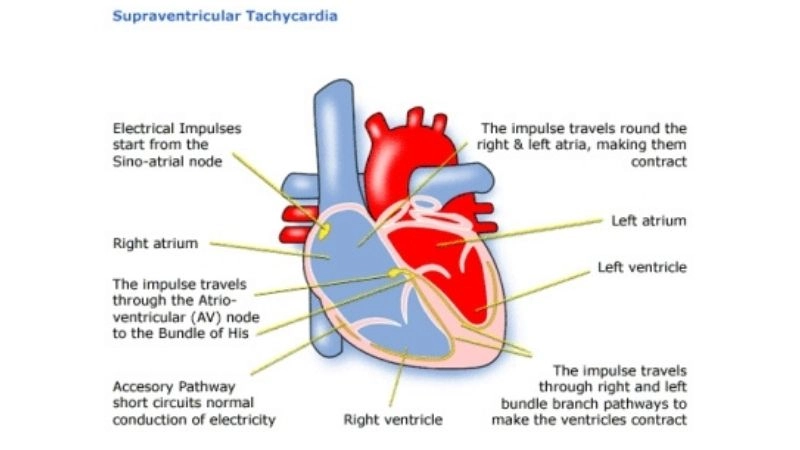
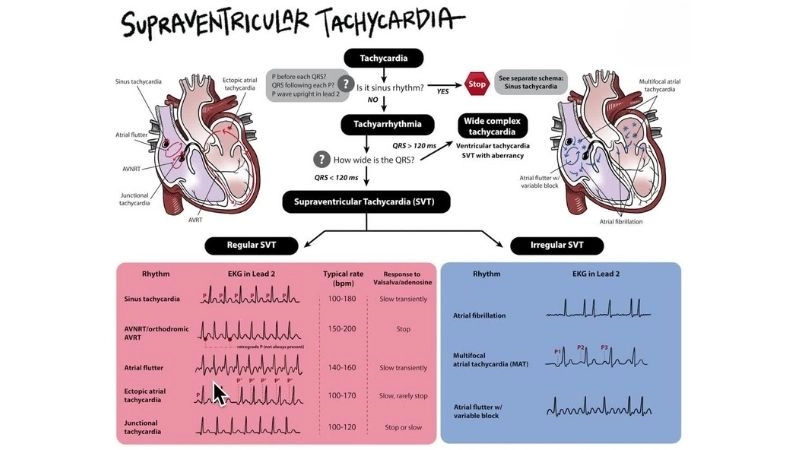
Supraventricular tachycardia (SVT) is a heart rhythm disorder that causes rapid heartbeat originating above the heart’s ventricles. Images often illustrate abnormal electrical pathways in the atria that trigger sudden palpitations.
>>> See more: Understanding atrial flutter symptoms and prevention
Managing Supraventricular Tachycardia (SVT) requires awareness, timely treatment, and lifestyle changes, helping patients live healthier, safer, and more active lives


