
Interrupted Aortic Arch is a critical congenital heart condition. Early diagnosis and proper management are essential to improve outcomes and long-term survival.
What are the main causes of interrupted aortic arch?
- Interrupted aortic arch usually develops due to abnormal fetal heart development during early pregnancy, affecting the normal formation of the aortic arch.
- Genetic mutations and chromosomal abnormalities, such as DiGeorge syndrome, are strongly associated with this congenital heart condition in newborns.
- Maternal health factors, including uncontrolled diabetes or certain infections during pregnancy, may increase the risk of interrupted aortic arch.
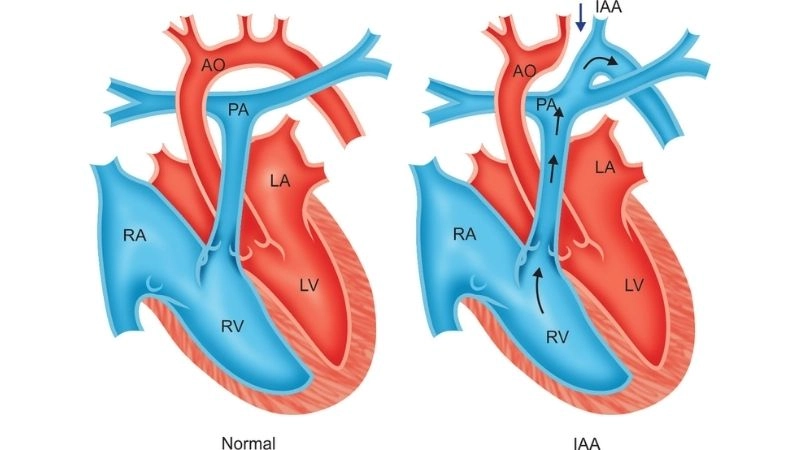
Interrupted aortic arch surgery procedures and outcomes
>>> See more: Partial Anomalous Pulmonary Venous Return (PAPVR) overview
Key symptoms of interrupted aortic arch to watch for
- Babies often show rapid breathing and difficulty feeding within the first days of life, signaling inadequate blood flow to vital organs.
- Cyanosis, or bluish discoloration of the skin, lips, and nails, is a common sign caused by insufficient oxygen delivery in interrupted aortic arch.
- Severe weakness, poor growth, and frequent lethargy are typical warning symptoms that indicate this congenital heart defect requires urgent medical evaluation.
How can you prevent interrupted aortic arch effectively?
- Preventing interrupted aortic arch is challenging, but maintaining good maternal health during pregnancy reduces potential risks.
- Genetic counseling before conception can help identify families at higher risk and provide guidance on preventive care options.
- Regular prenatal check-ups and advanced fetal echocardiography allow early detection, offering the best chance for timely medical intervention.
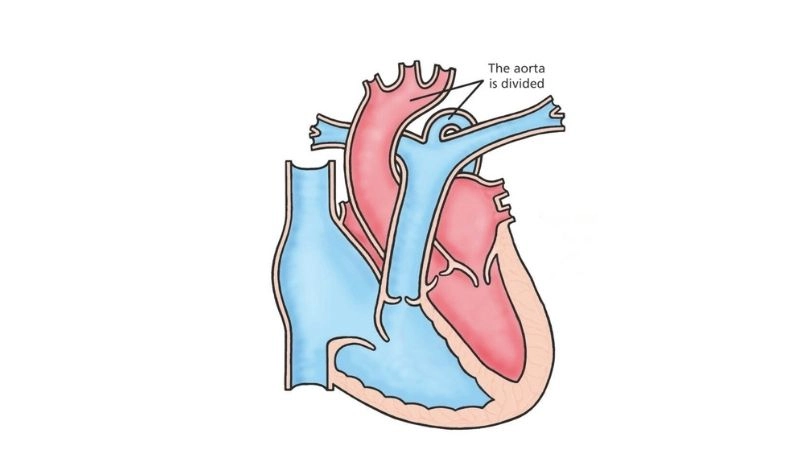
Interrupted aortic arch symptoms recognition and signs
>>> See more: Understanding Double Outlet Right Ventricle (DORV) Symptoms
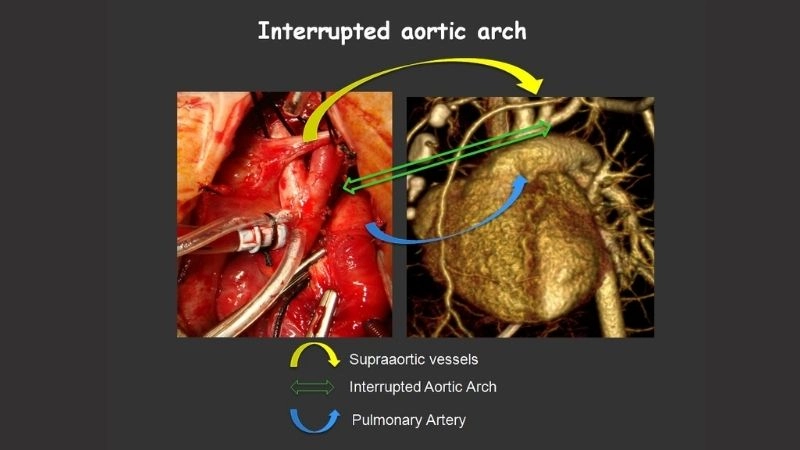
Images visual examples of interrupted aortic arch
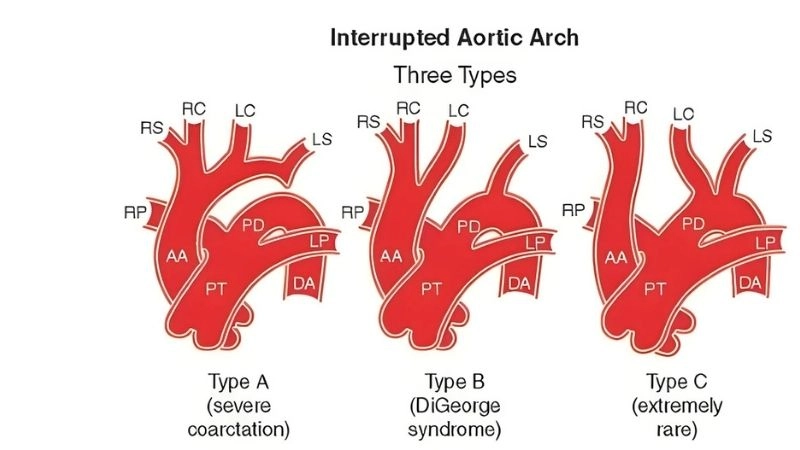
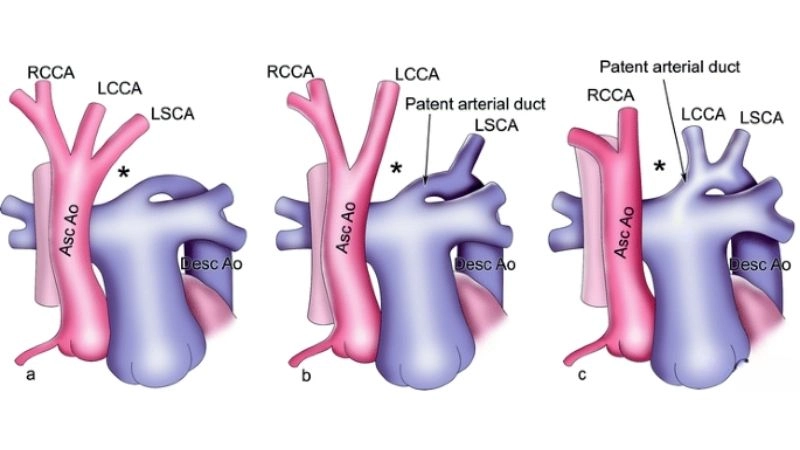
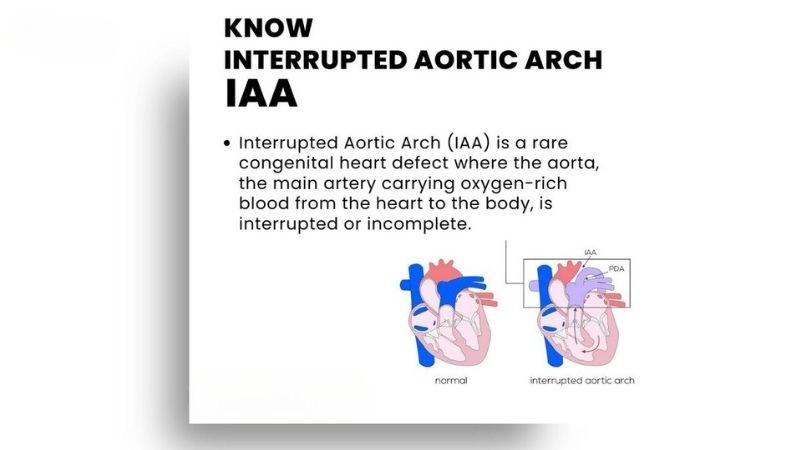
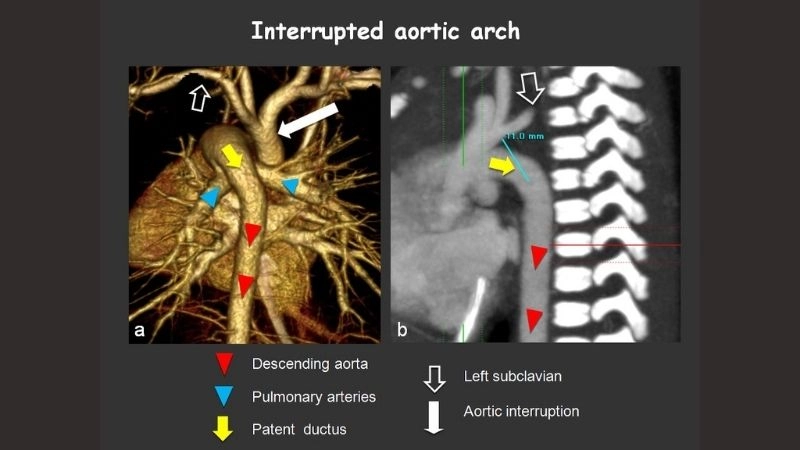
Interrupted aortic arch is a rare congenital heart defect where the aortic arch is not fully connected. This condition disrupts blood flow and requires urgent surgical repair in newborns.


>>> See more: Understanding Single Ventricle Defects Symptoms And Causes
Managing Interrupted Aortic Arch requires timely intervention and careful monitoring. Awareness of symptoms and treatment advances can greatly enhance patient prognosis.