
Omsk Hemorrhagic Fever is a rare viral disease causing fever, bleeding, and fatigue. Early detection and medical care are crucial to reduce risks and improve recovery outcomes.
What are the main causes of Omsk Hemorrhagic Fever?
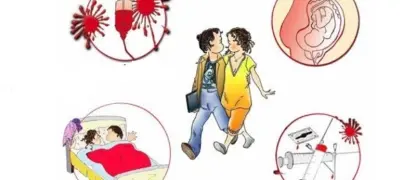
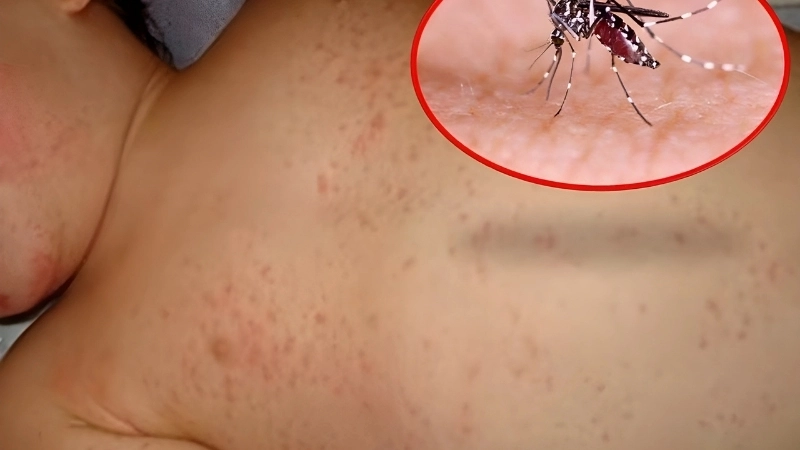
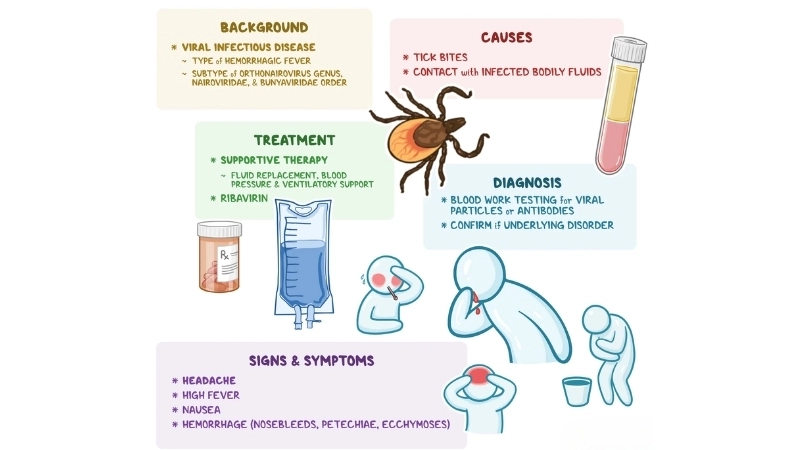
- Omsk Hemorrhagic Fever is primarily transmitted through tick bites carrying the virus in endemic regions of Russia.
- Contact with infected small mammals, such as muskrats or rodents, can also spread the virus to humans.
- Handling or exposure to contaminated animal fluids and tissues increases the risk of contracting Omsk Hemorrhagic Fever.
Key symptoms of Omsk Hemorrhagic Fever to watch for
- Early symptoms include sudden high fever, severe headache, and muscle pain, often appearing within 1-3 days after exposure.
- Gastrointestinal signs such as nausea, vomiting, and diarrhea can occur alongside fatigue and general weakness.
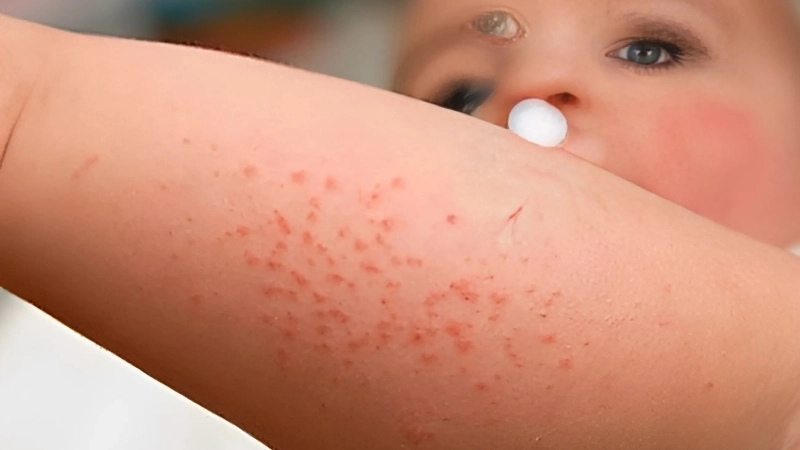
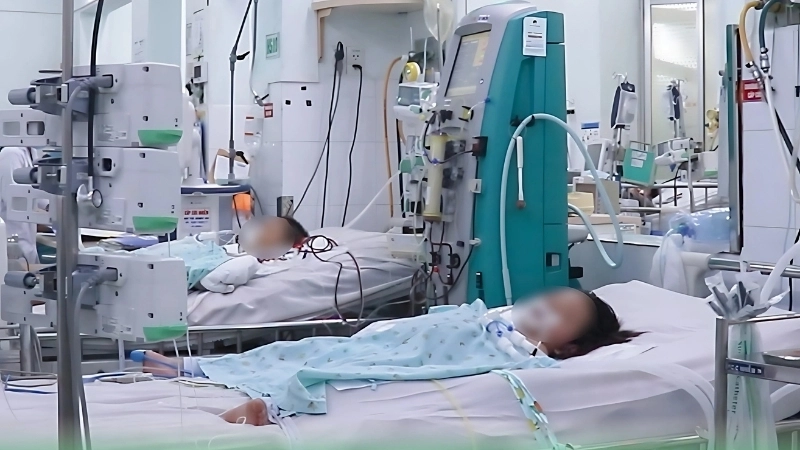
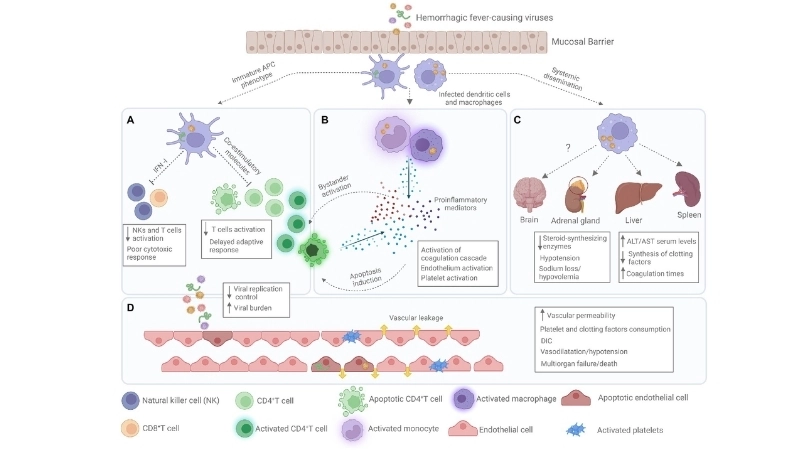
- In severe cases, patients may develop hemorrhages on the skin and mucous membranes, accompanied by neurological complications.
>>>Explore now: Understanding hemorrhagic fever with renal syndrome HFRS
How can you prevent Omsk Hemorrhagic Fever effectively?
- Avoid tick-prone areas and wear protective clothing when visiting endemic regions to reduce direct exposure to vectors.
- Use insect repellents on skin and clothing, and regularly check for ticks after outdoor activities in high-risk areas.
- Limit contact with wild rodents and infected animals, and follow strict hygiene measures when handling animals or their fluids.
>>>Explore now: Understanding rift valley fever symptoms and prevention
Image description of Omsk Hemorrhagic Fever
Omsk Hemorrhagic Fever is a rare viral infection transmitted by ticks and small mammals, causing fever, hemorrhages, and potentially severe neurological complications. Awareness and prevention are crucial.


>>>Explore now: Understanding crimean-congo hemorrhagic fever cchf risks
Understanding Omsk Hemorrhagic Fever, its causes, symptoms, and prevention can help protect you and your family. Stay informed and seek medical advice if you suspect infection.