

Is that severe sore throat just a cold, or something more? Ignoring the distinct signs of Streptococcal Pharyngitis can lead to serious complications. Don't guess with your health; learn to spot the difference and protect yourself with this essential guide.
What are the main causes of Streptococcal Pharyngitis ?
- This infection is caused by group A Streptococcus bacteria, a highly contagious pathogen that specifically targets the throat and tonsils causing severe inflammation.
- The bacteria spread primarily through airborne respiratory droplets when an infected individual coughs or sneezes, releasing pathogens into the air for others to inhale.
- You can also contract strep throat by sharing food or drinks, or by touching contaminated surfaces and then touching your own mouth, nose, or eyes.

Key symptoms of Streptococcal Pharyngitis to watch for
- A key symptom is a sudden, severe sore throat that makes swallowing very painful, often appearing without typical cold symptoms like a cough or runny nose.
- Look for red, swollen tonsils, sometimes with white patches or streaks of pus, and tiny red spots (petechiae) on the roof of the mouth.
- Other common signs include a fever over 101°F (38.3°C), headache, nausea, and swollen, tender lymph nodes in the front of the neck.
How can you prevent Streptococcal Pharyngitis effectively?
- The most effective prevention method is frequent and thorough handwashing with soap and water, especially after coughing, sneezing, or before preparing and eating food.
- Avoid sharing personal items such as drinking glasses, utensils, or toothbrushes, as the bacteria can easily transfer between people through shared saliva and contact.
- If diagnosed with strep throat, stay home from work or school for at least 24 hours after starting antibiotics to prevent spreading the infection.
>>> Read more here: Fifth Disease 'Slapped Cheek' Rash: A Parent's Guide
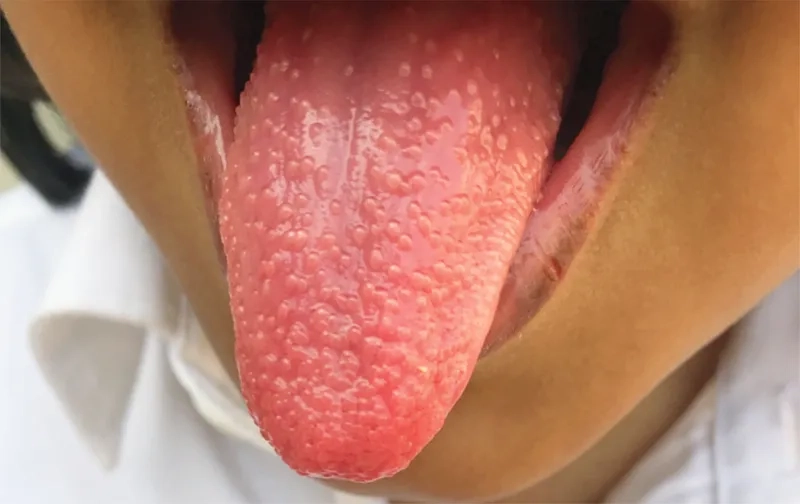
Illustrated illustrations streptococcal pharyngitis



>>> See details: Legionnaires' Disease: Could It Be in Your Water System?
Prompt diagnosis and antibiotic treatment are vital for managing Streptococcal Pharyngitis and preventing complications like rheumatic fever. If you suspect you have strep throat, see a healthcare provider immediately for an accurate test and professional medical advice to ensure a swift recovery.
>>> Discover more: Pneumonia Types Explained: Know the Signs to Act Fast