
Poliomyelitis (Polio) is a viral disease that can cause lifelong paralysis. Understanding its symptoms, causes, and prevention methods is key to protecting yourself and your community.
What are the main causes of poliomyelitis (Polio)?
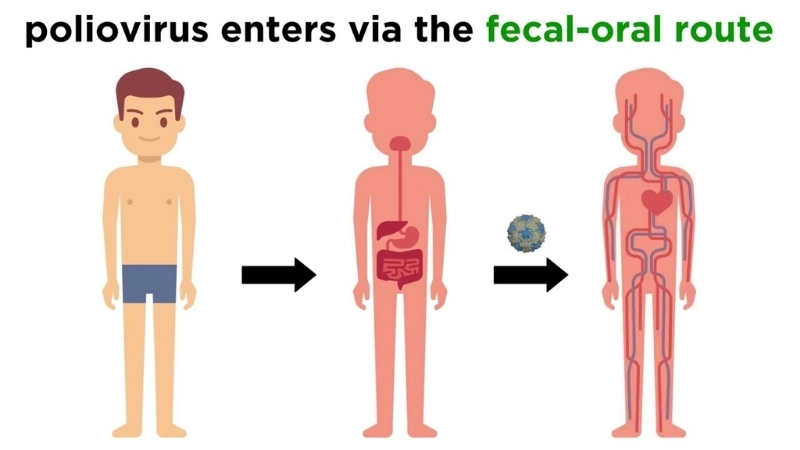
- Poliomyelitis is caused by the poliovirus, which spreads mainly through the fecal-oral route in areas with poor sanitation and hygiene.
- The virus can be transmitted by consuming contaminated water, food, or coming into contact with infected fecal matter.
- Direct person-to-person transmission also occurs when healthy individuals are exposed to respiratory droplets from an infected person.
Key symptoms of poliomyelitis (Polio) to watch for
- Early symptoms include fever, sore throat, fatigue, headache, and nausea, often resembling mild viral illnesses before progressing further.
- In severe cases, the virus invades the nervous system, leading to muscle weakness, stiffness, and loss of reflexes in affected areas.
- Advanced infections may cause permanent paralysis, respiratory difficulty, or even death if the breathing muscles are severely damaged.

>>>Learn more: Understanding human bocavirus infection and its symptoms
How can you prevent poliomyelitis (Polio) effectively?
- Vaccination is the most effective prevention, with both oral and inactivated polio vaccines offering strong long-term protection.
- Practicing good hygiene, such as washing hands regularly and using clean water, reduces the risk of infection significantly.
- Strengthening community immunization programs ensures herd immunity, protecting vulnerable groups and stopping virus transmission.
>>>Learn more: Understanding hantavirus pulmonary syndrome (hps) risks
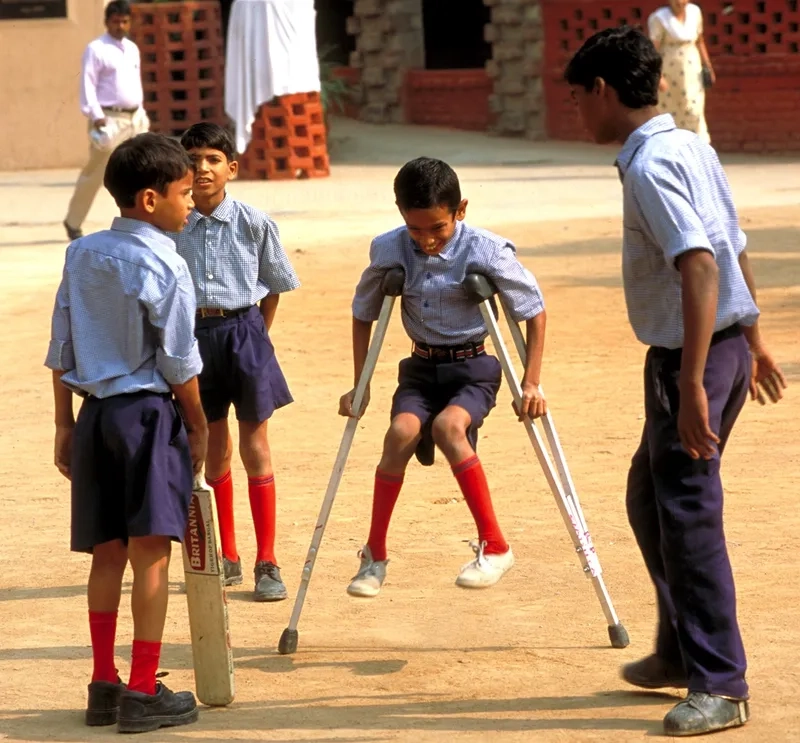
Image description of Poliomyelitis (Polio)
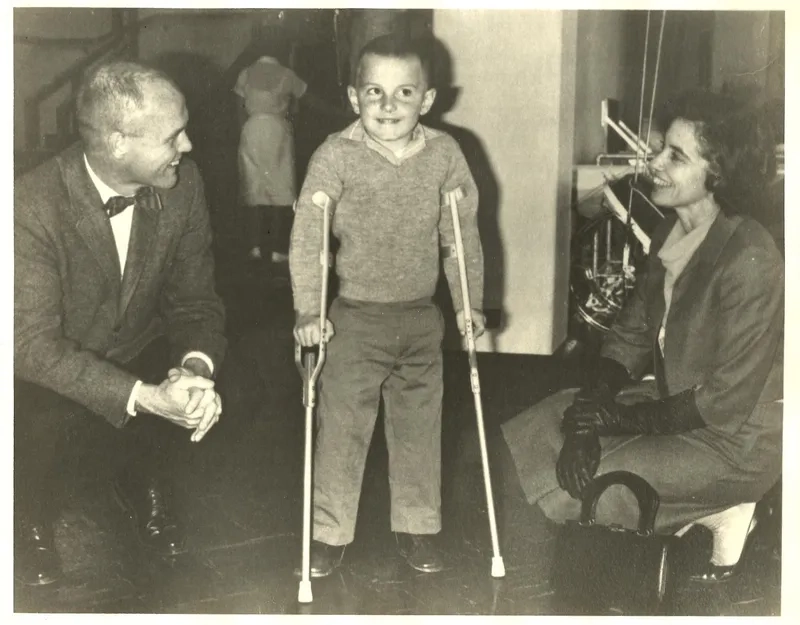
Poliomyelitis, commonly known as polio, is a highly contagious viral disease that affects the nervous system. In severe cases, it leads to paralysis and life-threatening complications.



>>>Learn more: Understanding viral pneumonia symptoms and causes today
Raising awareness about Poliomyelitis (Polio) helps prevent its spread. Stay informed, follow vaccination schedules, and take proactive steps to safeguard public health.