

A simple tick bite could lead to Powassan virus disease, a severe neurological illness with potentially devastating long-term effects. Don't dismiss tick exposure; understanding this rare but serious threat is crucial for your brain health. Learn how to protect yourself now.
What are the main causes of Powassan Virus Disease?
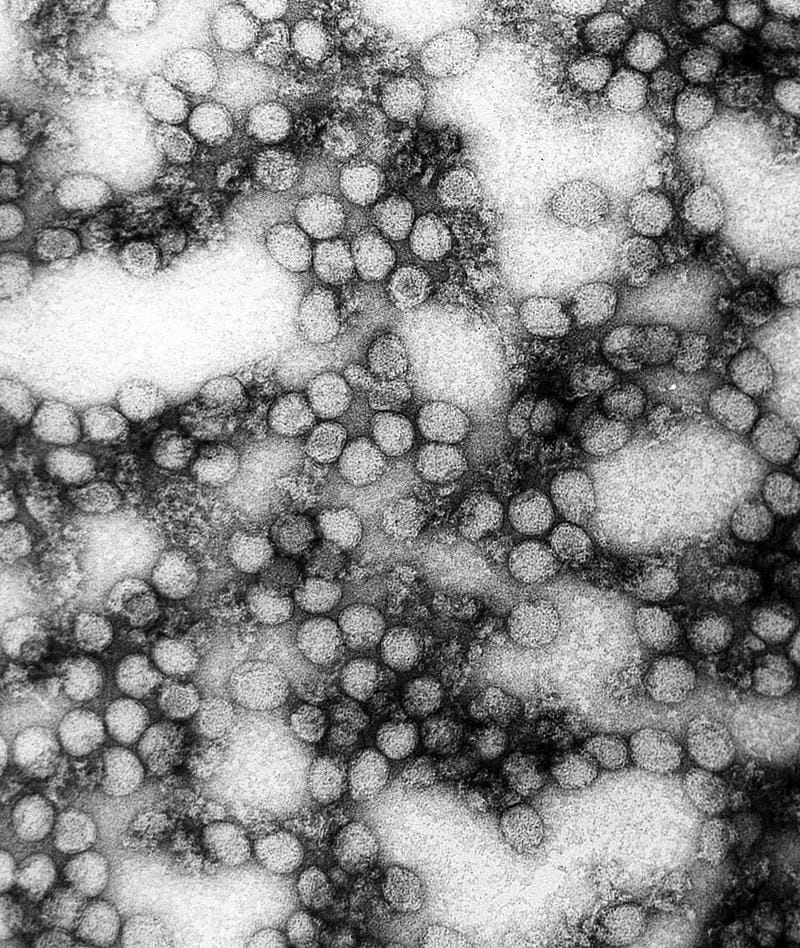
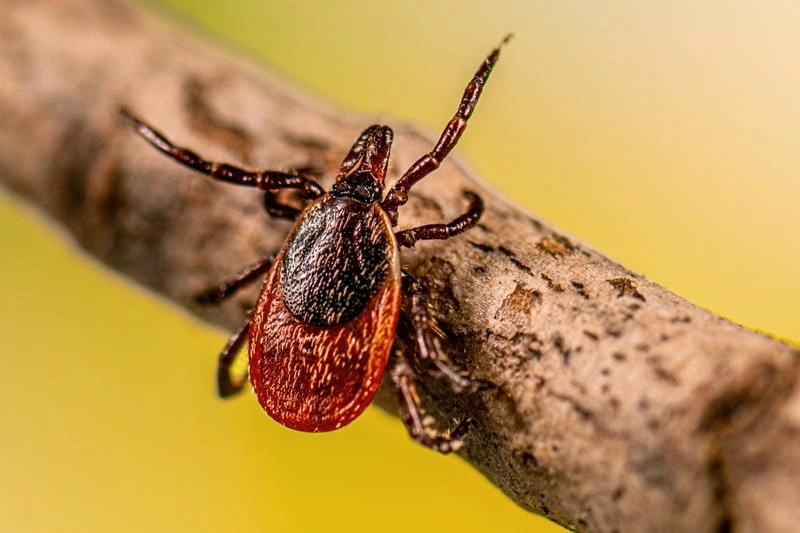
- Powassan virus disease is caused by the Powassan virus, an arbovirus transmitted through the bite of infected ticks, primarily the blacklegged (deer) tick.
- Unlike Lyme disease, the Powassan virus tick type can transmit the virus in as little as 15 minutes of attachment, making quick tick removal essential.
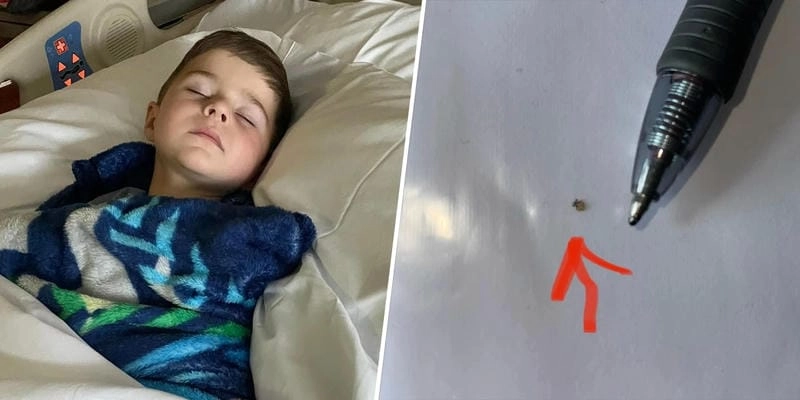
- This virus circulates between ticks and small mammals, and humans become infected when bitten by an infected tick, often without noticing the bite.
Key symptoms of Powassan Virus Disease to watch for
- Many infected individuals show no symptoms, but for those who do, early signs include fever, headache, vomiting, and general weakness, mimicking the flu.
- More severe cases can progress rapidly to neurological symptoms like confusion, seizures, loss of coordination, and paralysis, indicating meningitis or encephalitis.
- These severe neurological complications highlight why is Powassan virus deadly in some cases, with a fatality rate of approximately 10-15% among reported severe illnesses.
How can you prevent Powassan Virus Disease effectively?
- Powassan virus prevention starts with avoiding tick bites by using EPA-registered insect repellents containing DEET, picaridin, or permethrin when outdoors.
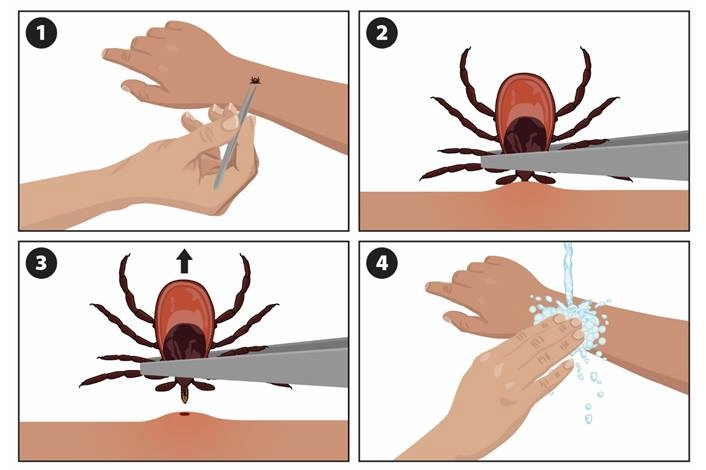
- Conduct thorough tick checks on yourself, children, and pets after spending time in wooded or grassy areas, promptly removing any attached ticks with tweezers.
- Wear long sleeves and pants tucked into socks when in tick-prone environments, and consider treating clothing and gear with permethrin for added protection.
>>> See more: Colorado tick fever - A viral infection from the Rocky Mountain wood tick
Image of the disease Powassan Virus Disease



>>> Learn now: Crimean-congo hemorrhagic fever - A widespread and deadly virus
Understanding what is Powassan virus and how to prevent it is critical. If you experience symptoms after a tick bite, seek immediate medical attention for diagnosis and supportive Powassan virus treatment. Early awareness is your best defense against this serious disease.
>>> Discover more: Eastern equine encephalitis - A rare but severe mosquito-borne virus


