

When it comes to rabies, knowledge is life-saving. This is a fatal disease, but it's almost 100% preventable with prompt action. Don't risk exposure; understand the essential steps to protect yourself and your family today.
What are the main causes of Rabies?
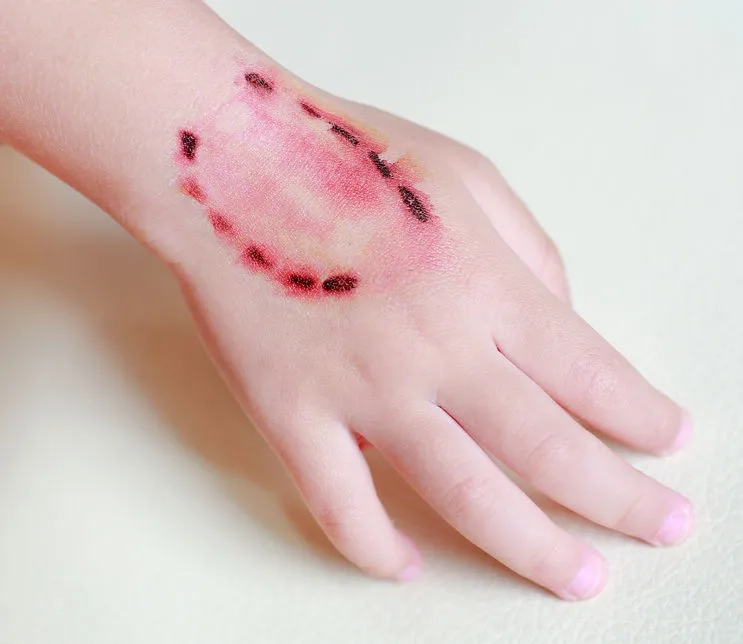
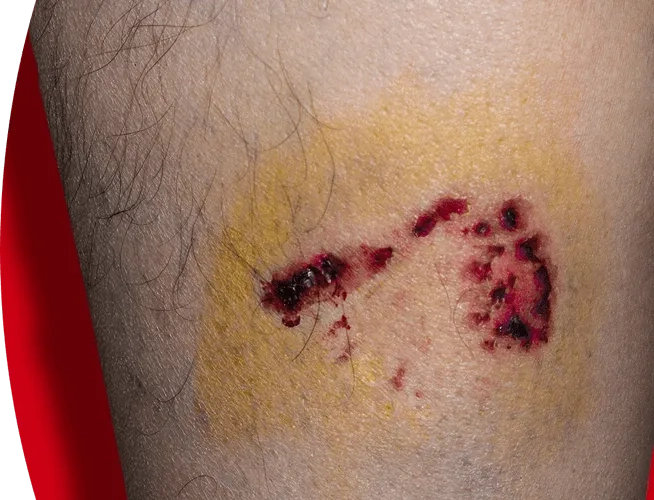
- Rabies is caused by a virus transmitted to humans from the saliva of infected animals, most commonly through a bite that breaks the skin.
- The most frequent source of transmission globally is a rabies from dog bite, but other mammals like bats, raccoons, and cats can also carry it.
- Less commonly, the virus can enter the body through scratches or open wounds that are exposed to the saliva of a rabid animal.
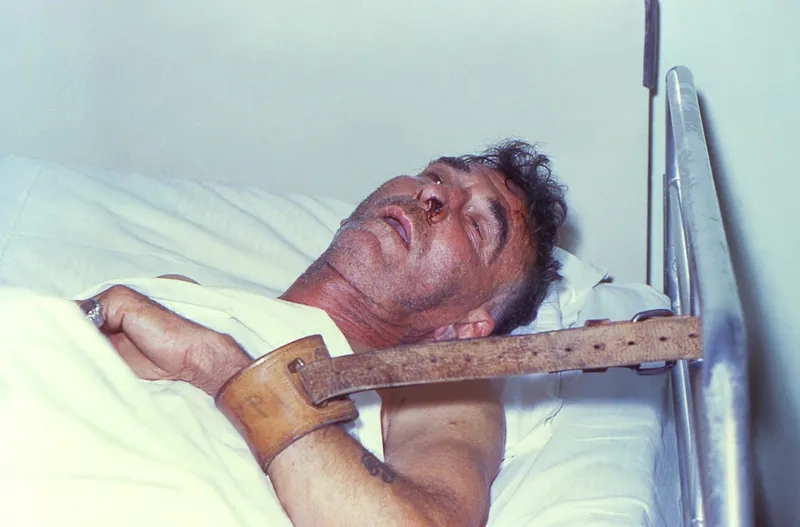
Key symptoms of Rabies to watch for
- Early rabies symptoms in humans are often non-specific and flu-like, including fever, headache, and weakness or discomfort around the exposure site.
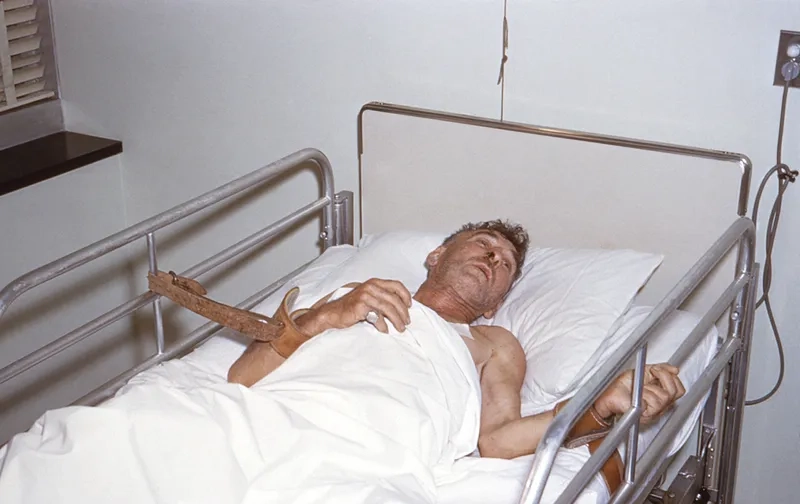
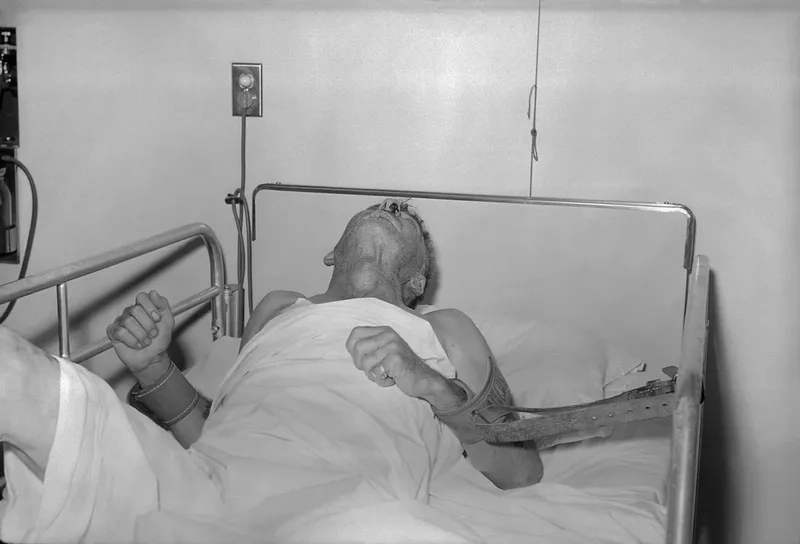
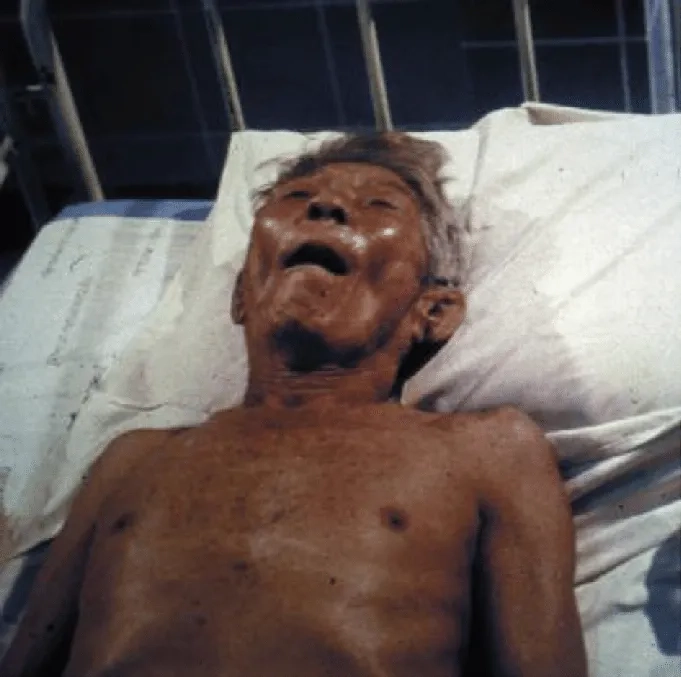
- As the disease progresses, neurological signs develop, such as anxiety, confusion, agitation, partial paralysis, and hallucinations, which are signs of brain inflammation.
- A classic late-stage symptom is hydrophobia, a severe fear of water caused by intensely painful spasms in the throat muscles when trying to swallow.
How can you prevent Rabies effectively?
- The most critical step after a bite is immediate post-exposure prophylaxis (PEP), including wound cleaning, a dose of rabies immunoglobulin, and the rabies vaccine series.
- A key part of rabies prevention is vaccinating pets, especially dogs, which creates a protective barrier between potentially infected wildlife and human populations.
- Avoid contact with wild animals or unfamiliar stray dogs, and educate children on the importance of reporting any animal bite or scratch immediately.
>>> Related articles: Pelvic inflammatory disease (PID) - Causes, symptoms, and fertility
What the symptoms of Rabies look like


>>> Discover more: Pneumocystis pneumonia - A risk for the immunocompromised
Rabies is not curable once symptoms begin, making prevention your only defence. If you are bitten or scratched by an animal, seek immediate medical care to begin PEP. Your prompt action is the most critical factor in your survival.
>>> See details: Pseudomonas aeruginosa infection - Risks in hospital settings


