

Traveling to Asia or the Western Pacific? Japanese Encephalitis is a risk you can't afford to ignore. Understanding this brain infection is your first defense against a potentially life-altering disease. Don't travel unprepared for this mosquito-borne threat.
What is Japanese Encephalitis?
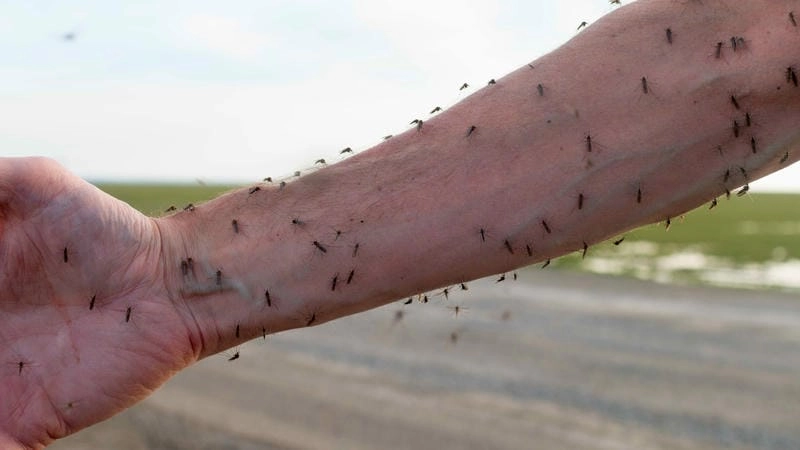
- This viral brain infection is transmitted to humans through the bite of an infected mosquito, primarily from the Culex species, often found in rice paddies.
- The virus circulates between mosquitoes and amplifying hosts like pigs and wading birds, especially in rural, agricultural areas of Japanese Encephalitis endemic countries.
- While very rare, there have been a handful of travel-associated Japanese Encephalitis cases in the US, highlighting the importance of awareness for international travelers.
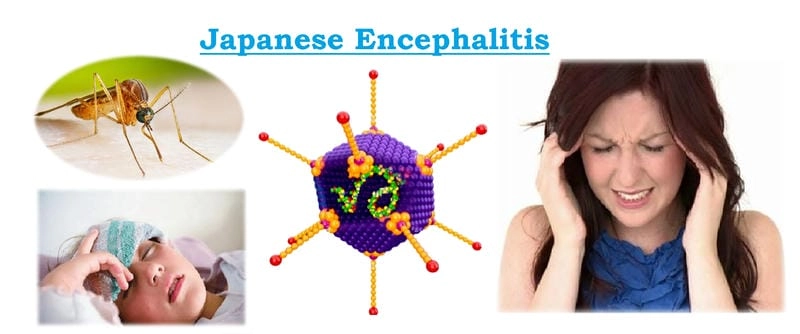
Key symptoms of Japanese Encephalitis to watch for
- Most infections are mild with fever and headache, but severe disease presents with a rapid onset of high fever, headache, neck stiffness, and disorientation.
- Severe Japanese Encephalitis symptoms can progress to coma, seizures (especially in children), and spastic paralysis, indicating significant brain inflammation.
- Unfortunately, the disease has serious long term effects of Japanese Encephalitis, with many survivors experiencing permanent neurological, cognitive, or psychiatric problems.
How can you prevent Japanese Encephalitis effectively?
- The most effective Japanese Encephalitis prevention is vaccination. Discuss the Japanese Encephalitis vaccine schedule with your doctor at least one month before your trip.
- Protect yourself from mosquito bites by using insect repellent containing DEET, wearing long-sleeved clothing, and staying in well-screened or air-conditioned accommodations.
- Be especially cautious during peak mosquito biting times, which for the Culex mosquito are typically from dusk until dawn, to minimize your exposure risk.
>>> Learn now: Chikungunya - Managing the severe joint pain and symptoms
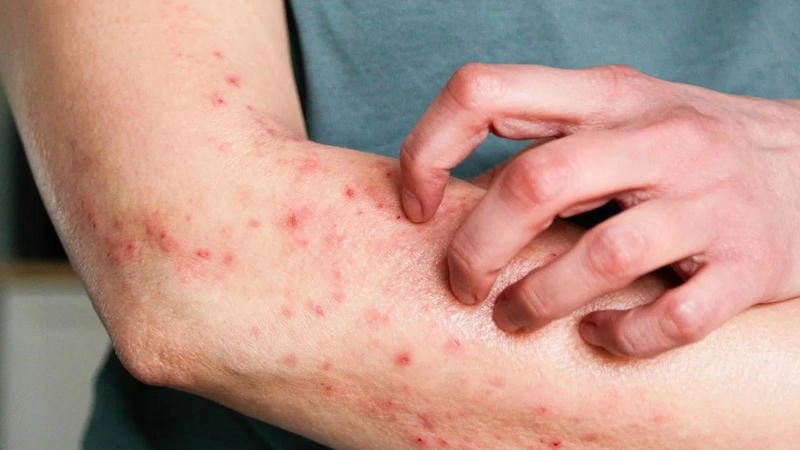
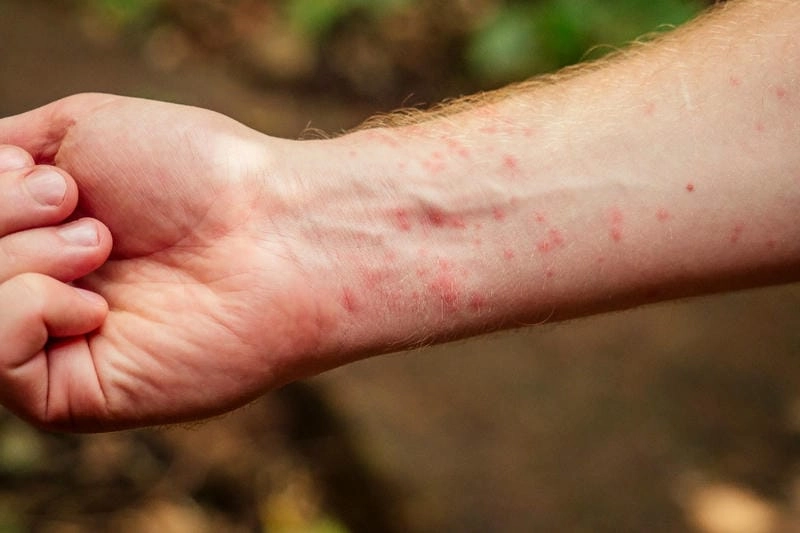
Microscopic images of Japanese Encephalitis
>>> Read more here: Colorado tick fever - A viral infection from the Rocky Mountain wood tick
While there is no specific Japanese Encephalitis treatment or cure for the virus itself, supportive care is provided in a hospital to manage symptoms. Therefore, prevention through vaccination and mosquito avoidance remains critically important.
>>> See more: Crimean-congo hemorrhagic fever - A widespread and deadly virus


