
Western Equine Encephalitis is a serious viral infection affecting both humans and horses. Understanding symptoms, transmission, and prevention is key to staying safe.
What are the main causes of Western Equine Encephalitis?
- Western Equine Encephalitis is primarily caused by a virus transmitted through mosquito bites, especially from infected Culex and Aedes species.
- Environmental factors such as standing water and warm climates increase mosquito breeding, elevating the risk of infection.
- Horses and wild birds act as natural reservoirs, allowing the virus to circulate and spread to humans in nearby areas.
Key symptoms of Western Equine Encephalitis to watch for
- Initial symptoms include fever, headache, fatigue, and muscle aches, which may appear several days after the mosquito bite.
- Severe cases can develop neurological issues, such as confusion, seizures, and difficulty coordinating movements.
- Some patients may experience vomiting, stiff neck, and sensitivity to light, signaling the virus’s impact on the central nervous system.

>>>Refer to this immediately: Understanding eastern equine encephalitis symptoms early
How can you prevent Western Equine Encephalitis effectively?
- Use mosquito repellent containing DEET or picaridin on exposed skin and wear long-sleeved clothing to reduce bites.
- Eliminate standing water around homes and community areas to prevent mosquito breeding and reduce virus transmission.
- Ensure horses are vaccinated and maintain routine veterinary care, as vaccinated animals are less likely to spread the virus.
>>>Refer to this immediately: West nile fever - Symptoms, causes, and prevention tips
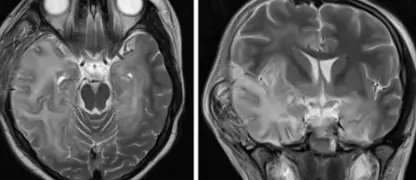
Image description of Western Equine Encephalitis
Western Equine Encephalitis is a mosquito-borne viral infection affecting humans and horses. It can cause mild flu-like symptoms or severe neurological complications in some cases.


>>>Refer to this immediately: St. Louis Encephalitis key facts you should understand
Staying informed about Western Equine Encephalitis can save lives. Regular vaccination, mosquito control, and awareness are essential steps to reduce the risk of infection.