

As viral threats emerge globally, understanding lesser-known illnesses like Oropouche fever is crucial. This essential guide explains what you need to know to recognize the symptoms and protect yourself, especially as outbreaks become more common in new regions.
What are the main causes of Oropouche Fever?
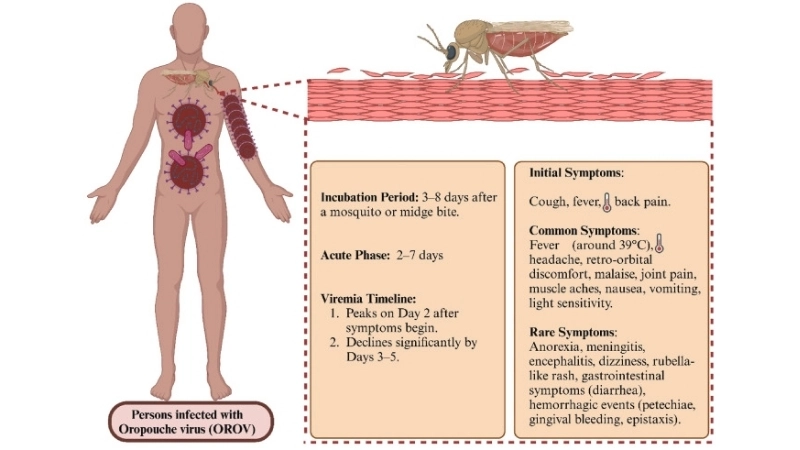
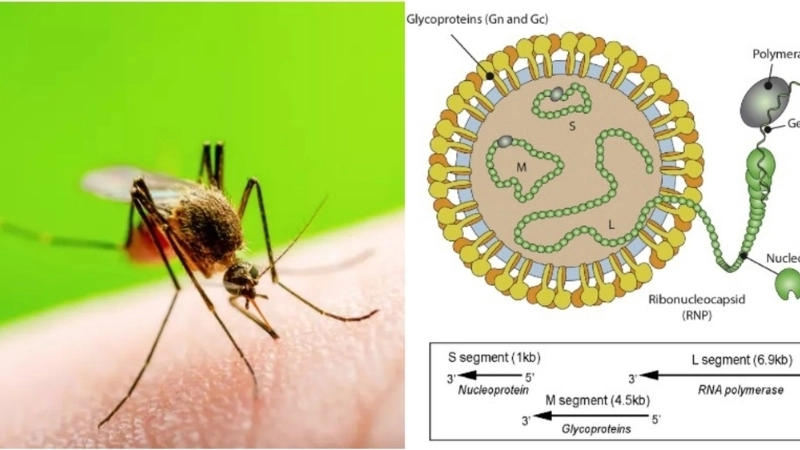
- What is Oropouche fever? It is a viral illness caused by the Oropouche virus (OROV), a pathogen found primarily in South and Central America.
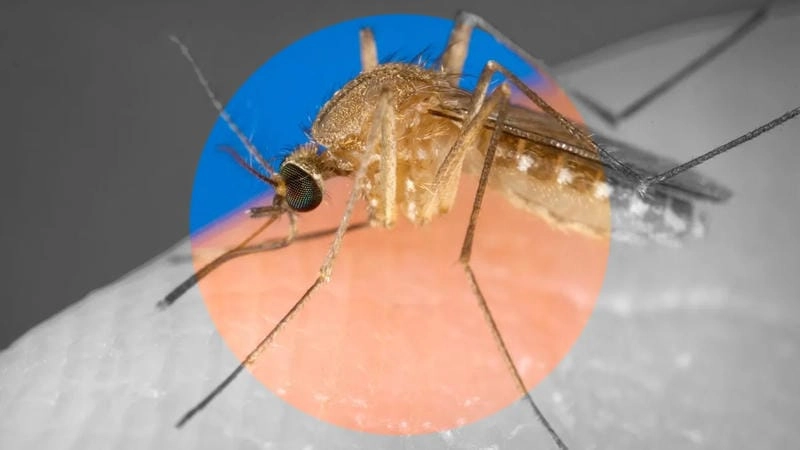
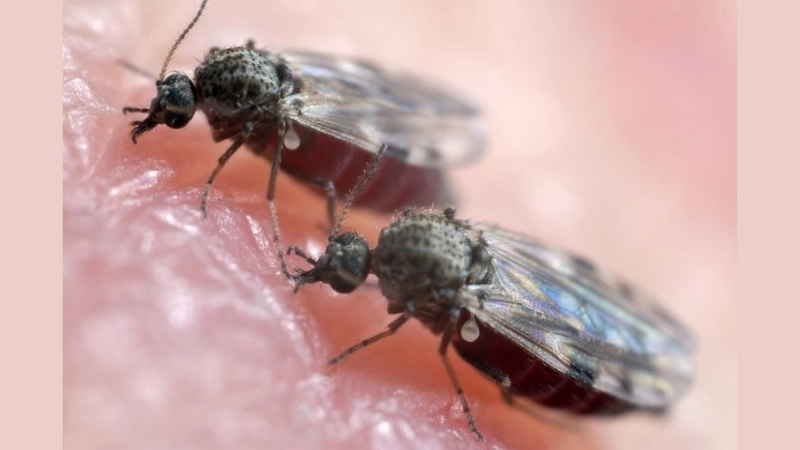
- How is Oropouche fever transmitted? The virus spreads to humans through the bite of infected midges (Culicoides paraensis) and some mosquito species.
- A major Oropouche fever outbreak, like the one recently seen in Oropouche fever in Brazil, occurs when the virus spreads rapidly via these insect vectors.

Key symptoms of Oropouche Fever to watch for
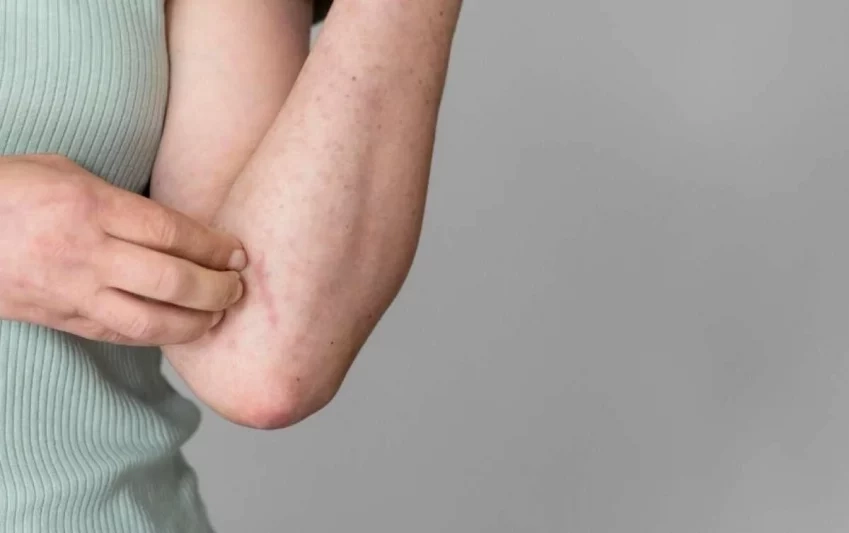
- Key Oropouche fever symptoms include the abrupt onset of high fever, severe headache, muscle and joint pain, and sometimes a skin rash.
- The symptoms can be similar to other illnesses, often leading to comparisons of Oropouche vs Dengue, though Oropouche is typically less severe.
- While the illness is not directly contagious between people, an infected person can be a source for midges to spread the virus further.
How can you prevent Oropouche Fever effectively?
- Effective prevention of Oropouche fever involves using insect repellent, wearing protective clothing, and eliminating standing water where midges and mosquitoes breed.
- There is no specific Oropouche virus treatment; medical care is supportive, focusing on relieving symptoms, ensuring hydration, and managing any pain.
- As of now, there is no commercially available Oropouche virus vaccine, making personal protective measures against insect bites the most critical defense.
>>> Read more here: Colorado tick fever - A viral infection from the Rocky Mountain wood tick
Image of the disease Oropouche Fever

>>> Don't miss: Eastern equine encephalitis - A rare but severe mosquito-borne virus
Staying informed about emerging threats like Oropouche fever is key to global health security. If you develop symptoms after traveling to an affected area, consult a healthcare professional immediately for an accurate diagnosis and supportive care.
>>> Read to understand more: Lyme disease - Beyond the bull's-eye rash and early symptoms


